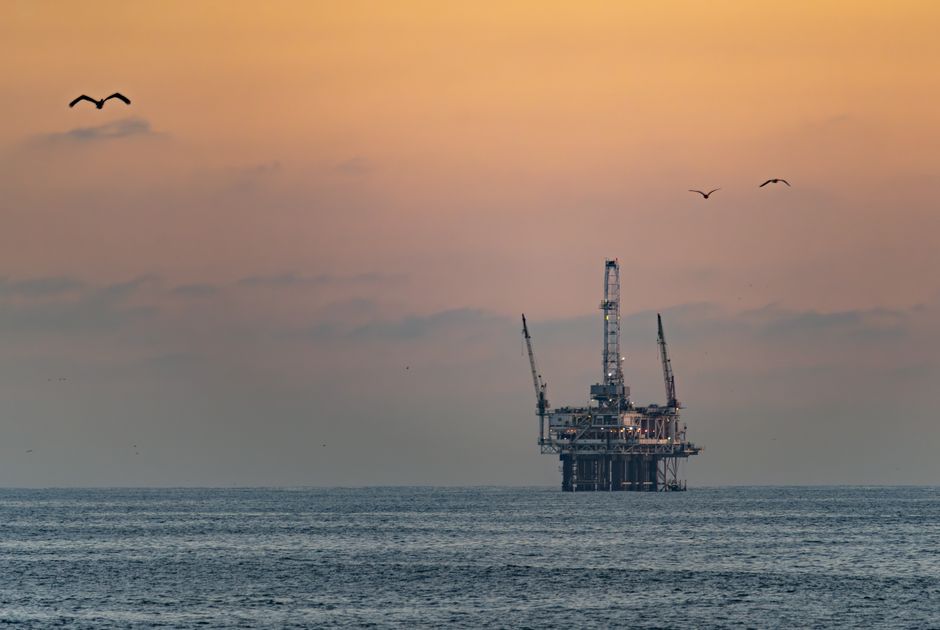
Another line has been crossed, another invisible threshold shattered, and the world watches as the price of **oil** breaches a psychological and economic barrier. For ordinary people, this isn’t just a number on a screen; it’s a direct hit to their wallets, a fresh wave of instability in an already turbulent global economy. This isn’t merely market fluctuation; it’s a stark reflection of a world on edge.
According to BBC Middle East, Brent crude soared more than 6% on Thursday, hitting $100 per barrel for the first time since May. This sharp increase is directly attributed to the ongoing, escalating conflict in the Middle East. It’s a clear, undeniable signal from the global energy markets.
The Geopolitics Behind Soaring Oil
The Middle East remains the undisputed heart of global energy, a truth made painfully clear with every geopolitical tremor. This latest surge in **oil** prices isn’t a random event; it’s the predictable outcome of heightened tensions in a region that controls a significant portion of the world’s petroleum supply. When conflict escalates here, the market reacts with primal fear, anticipating disruptions to production, shipping lanes, and overall stability.
The current war, whatever its exact contours, has clearly injected a fresh dose of uncertainty into an already volatile area. Major shipping routes, critical infrastructure, and even the rhetoric from key producing nations all contribute to this price spike. Everyone knows that even a small disruption in the Strait of Hormuz, for example, could send prices skyrocketing far beyond $100. This is the underlying anxiety driving the market.

Meanwhile, the major players in the region—both producers and those caught in the crossfire—are navigating a dangerous tightrope. Some oil-exporting nations will undoubtedly see a windfall from these elevated prices, bolstering their national treasuries. Other nations, heavily reliant on imports, will find their economies squeezed, facing increased inflation and potential social unrest as the cost of everything from transportation to food climbs higher. The global scramble for secure energy supplies, already a defining feature of modern geopolitics, just got even more frantic.
The Uncomfortable Truth About High Oil Prices
Let’s be brutally honest: while the headlines scream about conflict, some players are quietly counting their gains from this painful reality. High **oil** prices are a boon for major energy corporations, whose profits swell with every dollar increase. They are also a significant advantage for oil-exporting nations, particularly those with stable production capabilities and diversified economies that can absorb the geopolitical risks. This isn’t to say conflict is desired, but its economic fallout creates clear winners and losers.
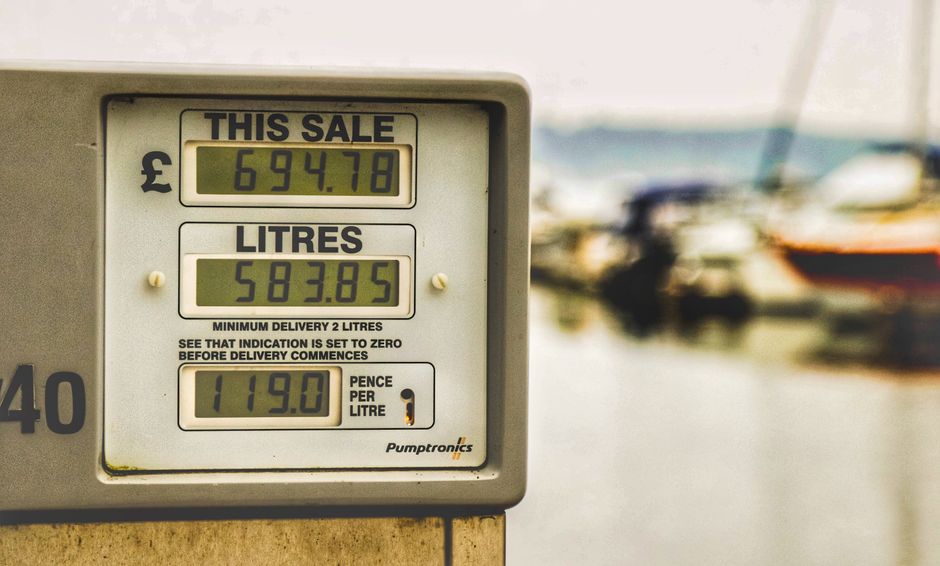
The mainstream narrative often focuses solely on the “escalation” as an unfortunate event. However, it often overlooks the deeper, more cynical dance between instability and profit. Who truly benefits when the global economy is held hostage by energy costs? Not the average person filling their tank or paying their electricity bill. Not the developing nations struggling to maintain growth in the face of imported inflation. The real cost is borne by those least able to afford it, while a select few consolidate wealth and power.
Some might argue that this is simply the immutable law of supply and demand at work, that market forces are inherently neutral. That argument, however, conveniently ignores the deliberate geopolitical strategies and economic leverage that often manipulate these very “forces.” The current price of **oil** is not merely a reflection of physical scarcity; it’s a barometer of fear, speculation, and the calculated risks taken by powerful actors on the world stage. It highlights the profound vulnerability of global economies tied to fossil fuels, and the desperate need for diversification away from such volatile commodities.
This $100 barrel of oil isn’t just a number; it’s a flashing red light. It signals not only the depth of the crisis in the Middle East but also the profound, often uncomfortable, implications for global power dynamics and economic inequality. How long will the world continue to pay this exorbitant price for its energy, and for its complacency?
Source: BBC Middle East