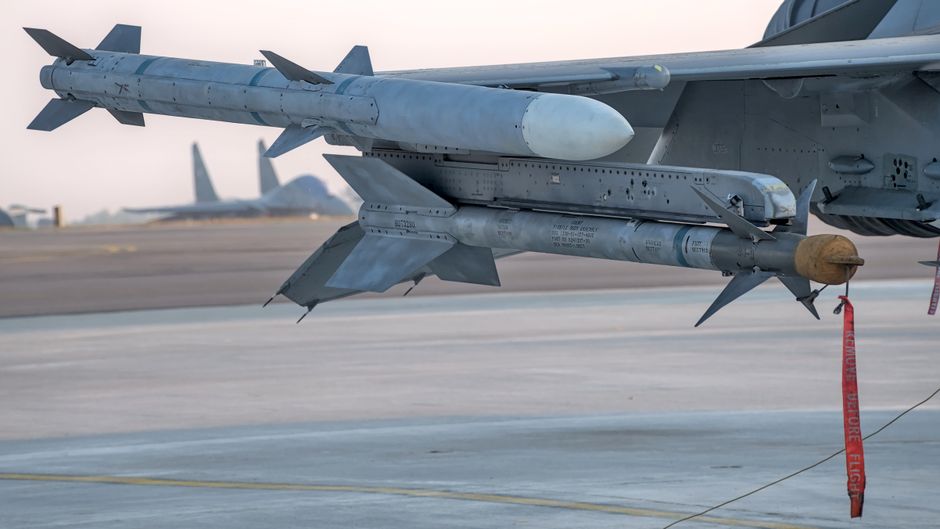
Is anyone truly surprised that the Houthis claim missile attacks on Saudi oil tankers? The Red Sea, already a geopolitical tinderbox, just got a lot hotter, and the world’s oil supply is once again caught in the crosshairs of a conflict often ignored by the West. This isn’t merely a regional skirmish; it’s a direct threat to global energy security and a stark reminder of the fragile balance of power in the Middle East.
According to Al Jazeera, Yemen’s Houthis recently declared a naval blockade on Saudi Arabia in the Red Sea, and have now claimed responsibility for missile attacks targeting several tankers. This move escalates an already protracted and devastating conflict, pushing it into a new, more dangerous maritime phase. The targeting of commercial shipping represents a significant shift in tactics, designed to project power far beyond Yemen’s borders.
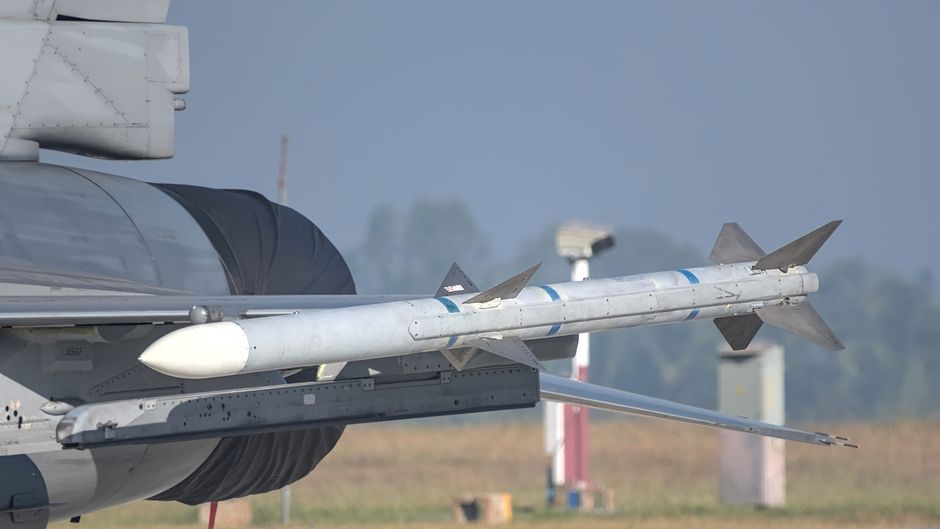
The Red Sea: A Target for Missile Claims
This latest Houthi claim missile action signals a dangerous escalation in a conflict that has ravaged Yemen for years. The Red Sea is not just any body of water; it’s one of the world’s most critical maritime choke points, particularly the Bab-el-Mandeb Strait. Through this narrow passage, a significant portion of the world’s crude oil and refined petroleum products transit daily, linking the Middle East with Europe and North America via the Suez Canal. For the Houthis to declare a naval blockade and then claim missile strikes in this strategic waterway is a direct challenge to international shipping and a brazen assertion of their expanding capabilities.
The conflict in Yemen pits the Iran-aligned Houthi movement against the internationally recognized government, backed by a Saudi-led coalition. For years, the war has been a brutal proxy battle, inflicting immense humanitarian suffering on the Yemeni people. However, the Houthis have consistently demonstrated a willingness to expand the geographical scope and tactical repertoire of their fight. Their previous drone and missile attacks on Saudi Arabian targets deep within its territory were precursors. Now, their focus has shifted to the maritime domain, leveraging their position along the Yemeni coastline to threaten vital sea lanes. This move underscores their evolution from a localized insurgency to a force capable of disrupting global trade, a development that regional powers and international actors have perhaps underestimated. It is a clear message: the conflict is not contained, and its ripples will be felt far beyond the Arabian Peninsula.

The Real Stakes of Houthi Aggression
Let’s be clear: the Houthis’ strategic decision to claim missile strikes on vital shipping lanes is a calculated gamble with high stakes for everyone. On one hand, it’s a desperate attempt to gain leverage, to force the international community to pay attention to the ongoing blockade of Yemen and the broader conflict. By threatening global oil supplies and shipping insurance rates, they aim to raise the cost of inaction for Saudi Arabia and its allies. This plays directly into Iran’s regional strategy, which often involves empowering proxy groups to exert pressure on rivals without direct confrontation. A destabilized Red Sea serves Tehran’s interests by keeping Riyadh on edge and potentially driving up global energy prices, which indirectly benefits oil-producing nations like Iran.
However, the real losers here are numerous. Firstly, the Yemeni people, who will likely face even greater hardship as any hope for de-escalation evaporates. Secondly, global consumers, who will bear the brunt of increased oil prices and supply chain disruptions. Shipping companies will face higher insurance premiums, leading to greater costs for all goods transported through the Red Sea. But perhaps the most significant loss is the continued erosion of international norms regarding the freedom of navigation. When non-state actors can openly claim missile attacks on commercial shipping in critical international waters with seemingly little consequence, it sets a dangerous precedent. The mainstream narrative often frames this purely as a Saudi-Yemen conflict, missing the broader geopolitical chess game where Iran sees an opportunity to project power and test the resolve of its adversaries. The question isn’t just *if* these attacks will continue, but *when* a major power will decide that enough is enough, potentially spiraling the conflict into a direct naval confrontation that could have catastrophic global implications. Ignoring this escalation is no longer an option.
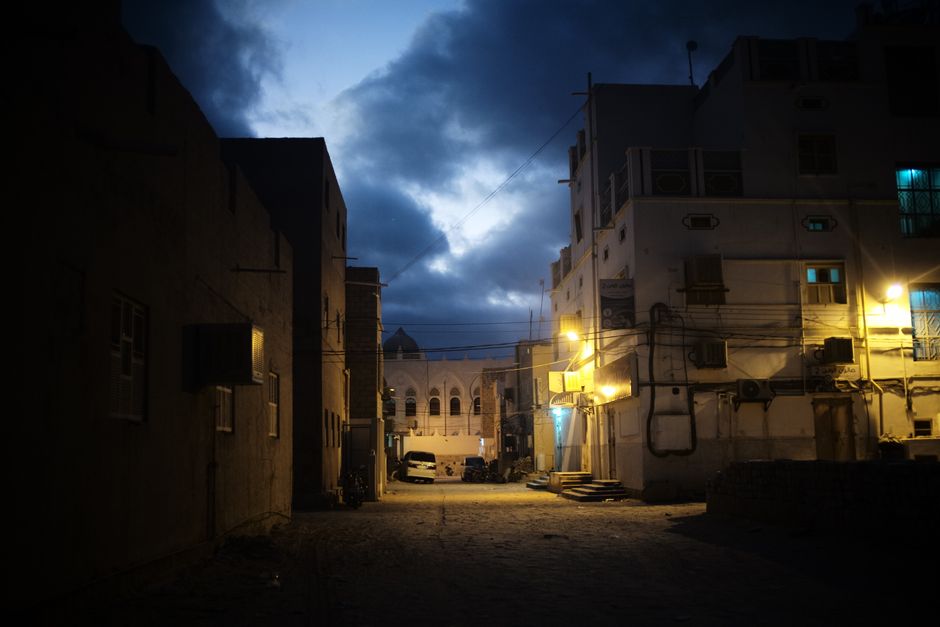
When groups claim missile capabilities that threaten global trade, the world can no longer afford to look away. The Red Sea isn’t just a shipping lane; it’s a barometer for regional instability. And right now, the needle is pointing firmly towards danger. How long until the world stops merely watching and starts truly reacting?
Source: Al Jazeera