**Cold open** – Ukraine’s decision to resume refinery strikes has become the week’s flashpoint, and the Financial Times interview with President Volodymyr Zelenskyy is the first public justification of that shift.
**The setup** – In a sit‑down with the Financial Times, Zelenskyy answered a barrage of questions about Ukraine’s evolving war strategy as the Kremlin’s oil‑processing capacity has been throttled by Western‑supplied missiles. The interview, published on 15 October 2026, comes at a moment when NATO allies are wrestling with the political fallout of a temporary cease‑fire that was brokered in late September and then quietly collapsed. In Washington, senior officials have been pressing Kyiv to keep escalation “contained” while still delivering enough pressure to make Moscow’s war machine grind to a halt. Zelenskyy’s remarks, therefore, are not merely a tactical update; they are a signal to both domestic audiences and an increasingly skeptical international coalition.
**What landed** – The most striking passage of the interview is Zelenskyy’s insistence that the renewed attacks are “targeted, precise, and strictly limited to facilities that feed the Russian war effort.” He framed the decision as a moral imperative: without degrading Russia’s ability to fuel its armored divisions, Ukraine cannot claim any credible path to a negotiated settlement. That framing, delivered in the measured cadence that has become his trademark, resonated because it acknowledges the brutal calculus of war while trying to keep the narrative within the bounds of international law.
Equally notable was his reference to the “new generation of Western‑provided long‑range missiles,” which he said have reduced the risk of collateral damage. By foregrounding technology, Zelenskyy shifts the conversation from the ethics of striking civilian‑linked infrastructure to a discussion of capability, implicitly asking critics to trust the precision of the weapons rather than the intentions of the operators. He also warned that a pause in strikes would “hand the Kremlin a propaganda victory,” suggesting that the political cost of restraint outweighs any diplomatic gains.

Finally, Zelenskyy used the interview to cast Ukraine’s strategy as a unified front with its allies. He thanked the United States and European partners for “standing with us” and pledged that any future escalation will be coordinated with “our friends in Brussels and Washington.” That diplomatic overture is designed to reassure wary partners that Kyiv is not acting unilaterally, a point that carries weight as the U.S. Congress debates additional funding for Ukrainian munitions.
**What doesn’t add up** – The promise of “precision” collides with Zelenskyy’s own record of pledging to avoid strikes that could be framed as attacks on civilian infrastructure. Earlier this year, after a series of oil‑refinery hits that sparked outrage in European capitals, he publicly declared a temporary moratorium on targeting any facility that also processed civilian fuel. The interview offers no explanation for why that restraint is being abandoned now, other than the vague “need to pressure the Kremlin.” The timing—just days before the NATO summit in Washington—suggests a strategic calculus that is less about battlefield necessity than about leveraging the summit’s media spotlight.
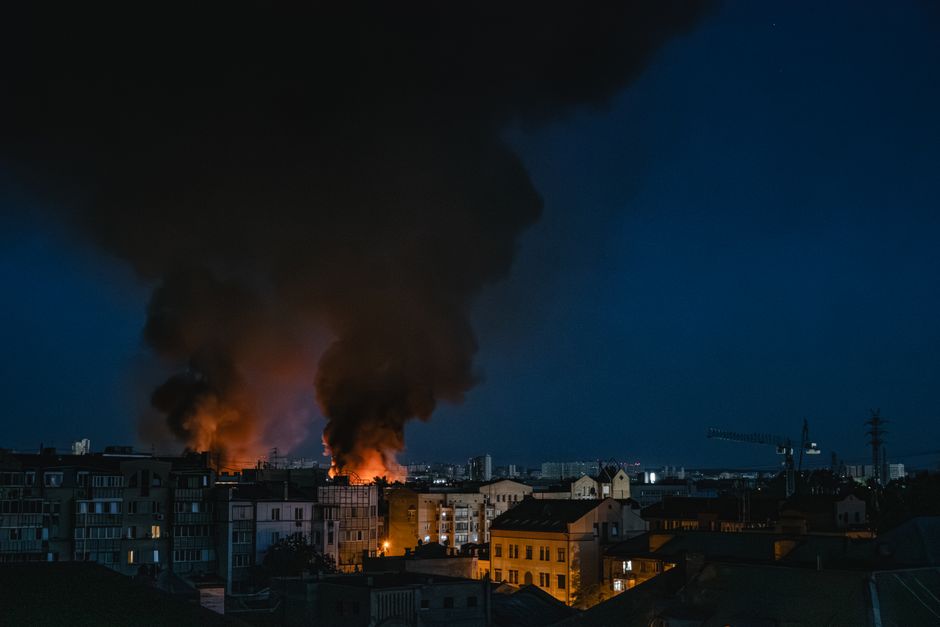
Moreover, Zelenskyy’s confidence in “new generation” missiles sidesteps the documented incidents of mis‑fires and civilian casualties that have plagued earlier strikes on the same targets. The Financial Times piece does not address those incidents, nor does it provide data on the expected reduction in civilian harm. The omission feels intentional, especially given that independent monitoring groups have warned that even “precision” attacks on large industrial complexes can cause widespread air‑quality and health impacts in nearby towns.
Zelenskyy’s assertion that a pause would hand Moscow a “propaganda victory” also glosses over the fact that Russia has been using the very same narrative to claim that the West is forcing Ukraine into reckless aggression. By re‑opening the refinery campaign, Kyiv risks feeding that narrative, a point the interview neglects to confront. The president’s reassurance of coordination with allies sounds reassuring, yet there is no mention of any concrete diplomatic channel or joint decision‑making process—just a rhetorical nod to “our friends” that may be more about optics than substance.
The interview also skirts the domestic political calculus. Ukraine’s upcoming parliamentary elections have been a quiet undercurrent in recent weeks, and a hard‑line stance on the war can be a potent rallying cry. Zelenskyy’s emphasis on “necessary” strikes could be read as an attempt to shore up his base ahead of the vote, a motive the Financial Times article does not explore.
**Close** – As the interview circulates, European capitals will be watching for any sign that Kyiv’s renewed refinery campaign will destabilize the delicate diplomatic overtures already underway. If the promised precision holds, the strikes could sharpen pressure on Moscow; if not, they may deepen the very political fissures Zelenskyy claims to be closing, setting the tone for Monday’s NATO summit and the next round of aid debates in Washington.
Source: Google — Leader interviews