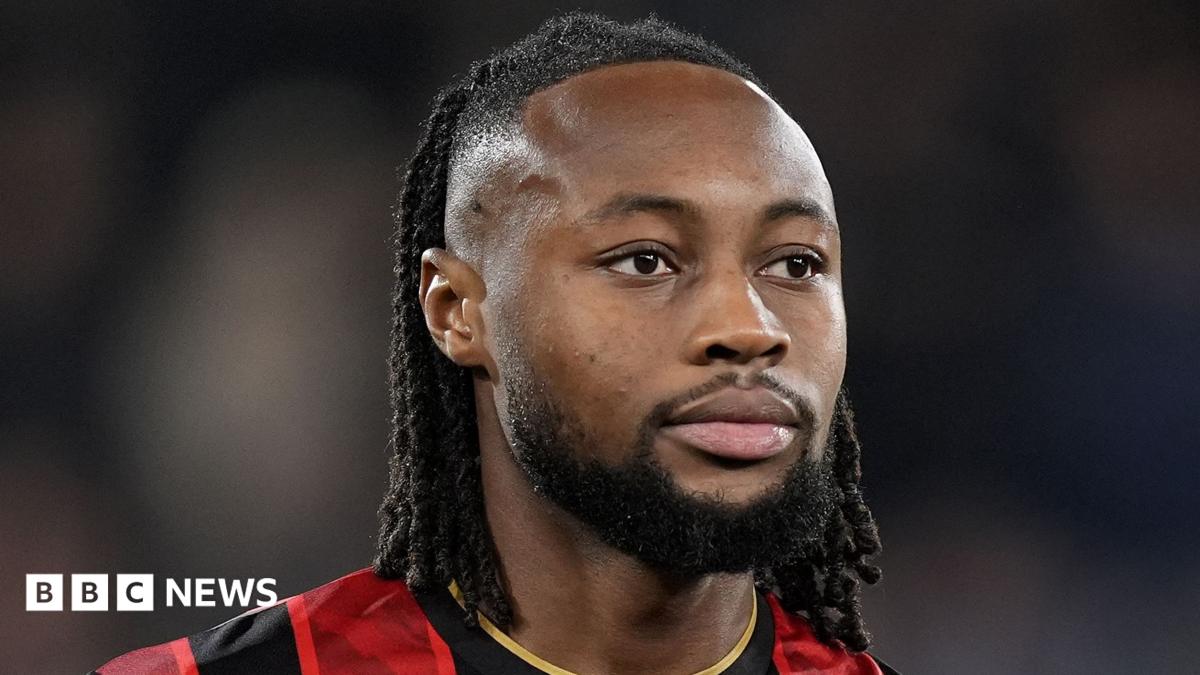
Semenyo’s name resurfaced in headlines not for a goal, but because a Liverpool supporter claimed the winger “froze” after alleged racist abuse during a 2025 match against Bournemouth. The image of a player halted by hate has become a flashpoint in the UK’s ongoing struggle with football‑related racism, and it forces us to ask whether the sport’s governing bodies are finally ready to act or merely polishing their public‑relations playbook.
According to the BBC, the fan testified that he shouted a slur at the Ghanaian international, prompting Semenyo to stop playing and visibly shake his head before being substituted. The club’s statement denied any “racially aggravated behaviour” on the part of its supporters, insisting that the allegation would be investigated thoroughly.
Semenyo and the Racism Allegations
The incident unfolded at a time when English football is under intense scrutiny after a spate of high‑profile abuse cases. In the 2022‑23 season, the Premier League introduced a stricter “zero tolerance” policy, yet enforcement has been uneven. Meanwhile, social media platforms have become breeding grounds for anonymous taunts that spill over into stadiums. The BBC report notes that the alleged abuse occurred in the 68th minute, a period when tensions are already high and fans are desperate for a spark.
What makes this case especially volatile is Semenyo’s rising profile. After a breakthrough season with Liverpool, the winger has become a symbol of the league’s growing diversity, representing both African talent and the new generation of British‑born players of immigrant descent. His public persona—confident, outspoken, and unafraid to discuss social issues—has drawn both admiration and, inevitably, backlash from a segment of the fanbase that feels threatened by change.
The broader context stretches beyond the UK. In recent months, clubs in the Middle East have faced similar accusations, with fans in Saudi Arabia and Qatar being warned about “unacceptable conduct” after several players reported verbal abuse. South Asian leagues, too, have wrestled with a surge in xenophobic chants aimed at foreign imports. These parallel battles illustrate that racism in football is not a localized problem; it is a global symptom of deeper societal fractures that the sport cannot ignore.
The Stakes of Inaction
If the investigation into Semenyo’s case ends in a quiet dismissal, the message sent to victims will be crystal clear: silence is cheaper than accountability. Liverpool, a club that markets itself on progressive values, risks losing credibility among its diverse supporter base. Moreover, sponsors who have pledged to back anti‑racism initiatives could reconsider their partnerships, fearing association with a tarnished image.
Conversely, a decisive ruling—whether it results in a ban for the offending fan or a substantial fine for the club—could set a precedent that forces other teams to tighten security and monitoring. It would also empower players like Semenyo to speak out, knowing the system will back them. However, the legal process is notoriously slow, and the emotional toll on the player cannot be measured in fines or stadium bans.
Critics argue that focusing on a single incident distracts from the structural issues that allow racism to fester. They point to the lack of comprehensive education programs for fans and the inadequate funding for reporting mechanisms. While those concerns are valid, the public nature of Semenyo’s experience provides a rare catalyst that can galvanise reform. Ignoring it would be a missed opportunity to translate rhetoric into real change.
The mainstream narrative often frames such episodes as “isolated” or “the work of a lone troublemaker.” In reality, the pattern of abuse reflects a culture that tolerates, if not subtly encourages, hostile language when it aligns with competitive fervor. The fact that a player of Semenyo’s calibre can be silenced by a single fan underscores the fragility of progress in the face of entrenched prejudice.
As the investigation proceeds, the football community should watch not only the outcome but also the speed and transparency of the process. A swift, open‑hearted response would demonstrate that clubs and governing bodies are finally willing to confront the uglier side of the sport, rather than sweeping it under the carpet for the sake of short‑term harmony.
The lingering question remains: will Semenyo’s ordeal become a turning point that forces English football to confront its own biases, or will it be filed away as another footnote in a long list of unaddressed grievances? The answer will shape the next chapter of the game’s battle against racism, both on the pitches of Anfield and in the stands of stadiums across the Middle East and South Asia. The world is watching, and the silence of inaction will be louder than any chant.
Source: BBC UK