
Another day, another Faustian bargain disguised as diplomacy. The United States and **Saudi Arabia** have just inked a “peaceful” nuclear cooperation deal, and anyone who believes the word “peaceful” will remain untainted in the Middle East is either hopelessly naive or willfully ignorant. This isn’t merely about energy; it’s about power, precedent, and the perilous dance of nuclear proliferation in the world’s most volatile region.
According to BBC Middle East, the US Department of Energy announced this landmark agreement will grant American firms “great access” to the burgeoning Saudi nuclear energy programme. This access, we are told, is strictly for cooperative, civilian purposes. Yet, history teaches us that “civilian” very often serves as a thin veil for strategic ambitions.
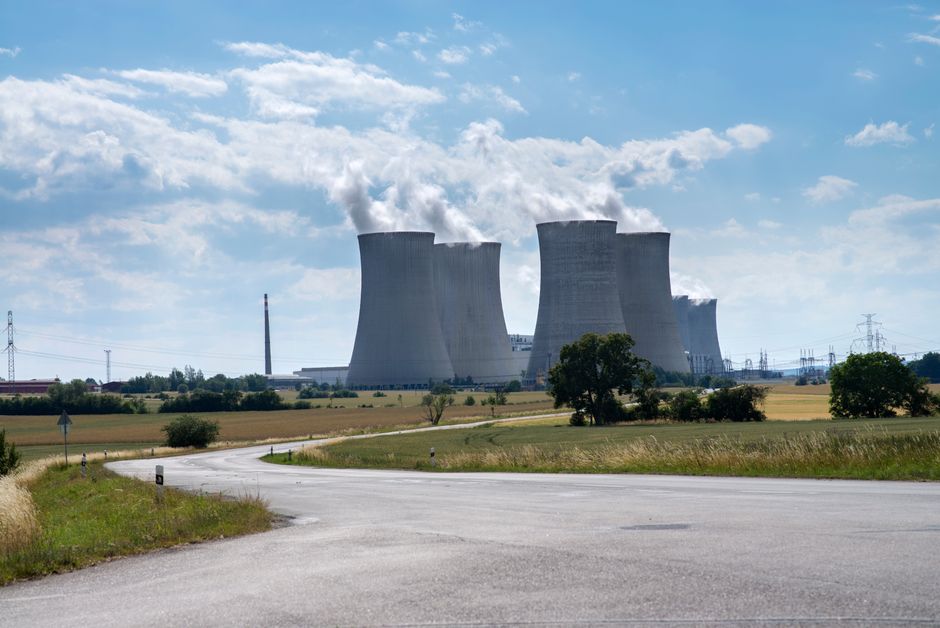
The Nuclear Chessboard in Saudi Arabia
This deal doesn’t emerge from a vacuum. It’s the latest move in a high-stakes geopolitical chess match. For years, **Saudi Arabia** has openly expressed its desire for nuclear energy, a critical component of its Vision 2030 strategy to diversify its economy away from oil. This pursuit is not just about power generation; it’s a profound statement of regional ambition and a direct response to Iran’s own nuclear program, which Riyadh views as an existential threat. The Saudis have long warned that if Iran developed nuclear weapons, they would follow suit.
The US, meanwhile, has been desperate to re-assert its influence in a region where China and Russia are making significant inroads. After a period of strained relations, Washington is clearly trying to mend fences and secure strategic partnerships. This nuclear deal can be seen as a sweetener, an olive branch, or perhaps a gilded cage to ensure Saudi Arabia’s nuclear development remains under Western purview rather than drifting towards less scrupulous international partners. It’s about control, plain and simple, dressed up in the language of economic opportunity.
The Perilous Path of “Peaceful” Power
Make no mistake, this agreement is less about kilowatt-hours and more about political capital. The “great access” for US firms serves a dual purpose: it’s a lucrative economic opportunity for American industry, certainly, but it also provides a degree of oversight that Washington hopes will prevent the Saudis from pursuing a full-blown weapons program. However, this is a dangerous gamble. The line between peaceful nuclear energy and weapons capability is notoriously thin, a technicality that has plagued non-proliferation efforts for decades.
The real question is what concessions the US made to get this deal done. Did Washington demand the “gold standard” of non-proliferation, which typically prohibits domestic uranium enrichment and spent fuel reprocessing? Or did the strategic imperative of bringing **Saudi Arabia** into the fold outweigh these critical safeguards? If the latter, then the US has effectively sanctioned a slippery slope, signaling to other nations in the region – Egypt, Turkey, even the UAE – that the path to enrichment might now be open, provided they align with Washington. This creates a dangerous precedent, potentially igniting a regional nuclear arms race that would make the current tensions look like child’s play.
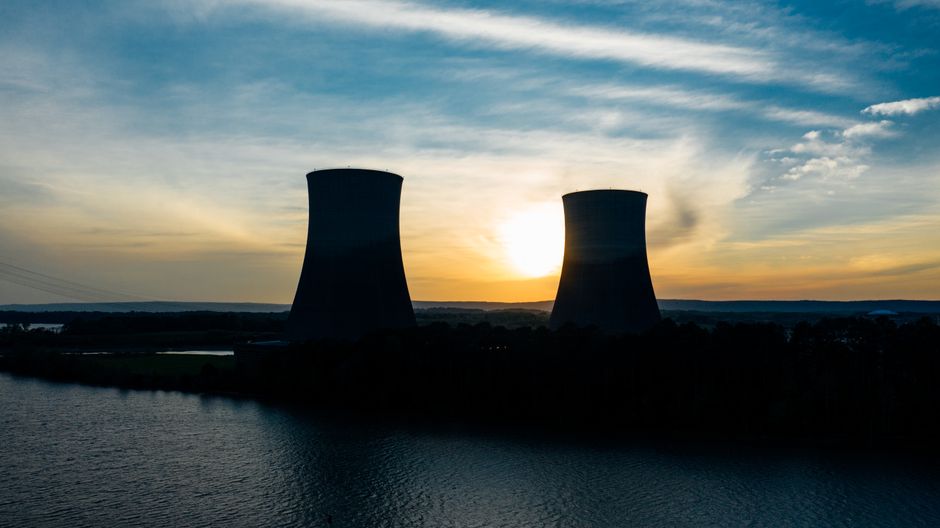
The mainstream narrative will likely focus on the economic benefits and the supposed strengthening of US-Saudi ties. But what’s being missed is the profound hypocrisy at play. The US has historically taken an uncompromising stance against Iran’s nuclear program, citing the dangers of proliferation, while simultaneously enabling a key regional rival with the very technology that could lead to similar concerns. This is classic realpolitik, where principles are sacrificed on the altar of strategic advantage. Who wins? US corporate interests, securing billions in contracts, and the Saudi royal family, gaining prestige, advanced technology, and a powerful deterrent in their ongoing rivalry with Tehran. Who loses? Potentially, the entire Middle East, if this “peaceful” deal eventually paves the way for a more complex and terrifying nuclear landscape. The stability of the region, already hanging by a thread, just got a lot more precarious.
This “peaceful” cooperation agreement, therefore, is anything but. It’s a calculated gamble, laden with risk, driven by economic gain and geopolitical maneuvering. We should all be asking: what price will the world pay for this access, for this influence, for this power grab in **Saudi Arabia**? And when the dust settles, will the promise of peace have been worth the unprecedented nuclear risk?
Source: BBC Middle East