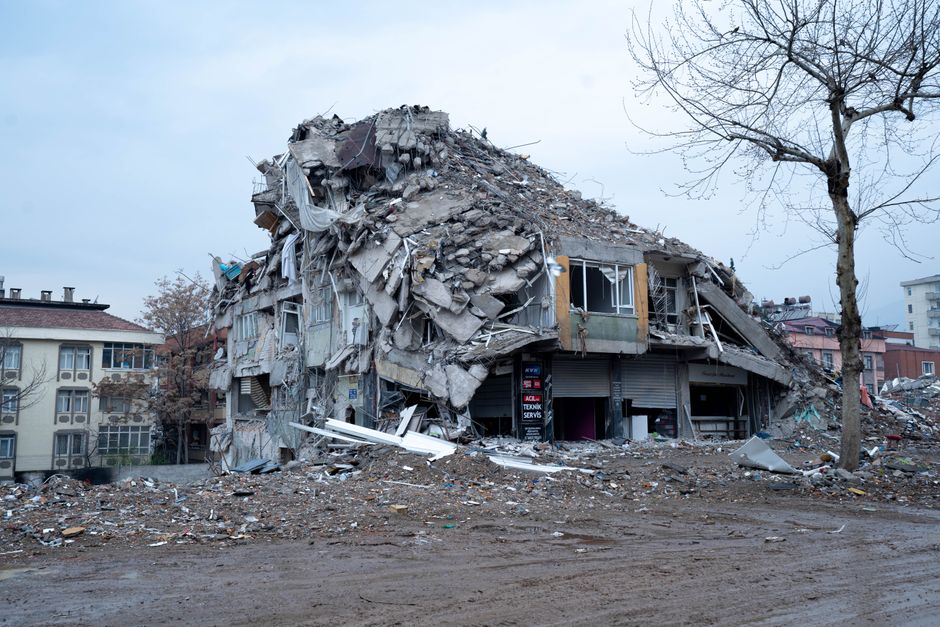
How many times do we need to witness the collapse of advanced infrastructure before we admit our preparedness is a mirage? It seems many lessons remain unlearned, even in nations at the forefront of technological progress and disaster readiness. The latest grim reminder comes from Kumamoto, Japan, a place synonymous with resilience.
According to Japan Wire by Kyodo News, an explosion at a quake-hit shopping mall in Kumamoto has left many feared trapped. This incident occurred in an area already reeling from seismic activity, compounding an already dire situation.
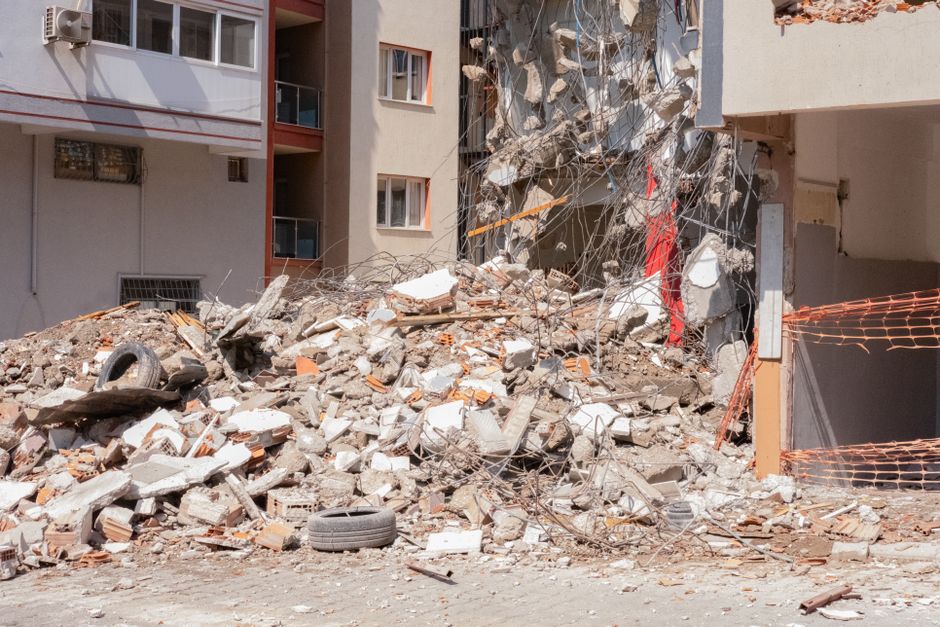
The Many Layers of Disaster in Kumamoto
Japan is a nation built on fault lines, and its engineering prowess is legendary, designed specifically to withstand the earth’s fury. Yet, here we are again, facing a secondary disaster, an explosion, in the aftermath of an earthquake. This isn’t just a random accident; it’s a glaring spotlight on the vulnerabilities that persist even within the most robust systems. What led to this explosion? Was it damaged gas lines, electrical systems shorting, or compromised structural integrity creating dangerous conditions? The specific cause will undoubtedly be investigated, but the sheer fact that such an event can occur *after* the initial quake raises uncomfortable questions about our ability to manage cascading failures.
The context here is critical: Japan invests heavily in early warning systems, seismic-resistant architecture, and comprehensive disaster response protocols. They have, in theory, thought of almost everything. However, the sheer unpredictability of an earthquake, combined with the complex, interconnected nature of modern infrastructure, means that even the best plans can quickly unravel. A shopping mall, a hub of commerce and leisure, transforms into a death trap when its intricate network of utilities, once a convenience, becomes a hazard. This incident isn’t just about a building failing; it’s about the systemic weakness exposed when initial shocks are followed by unforeseen secondary catastrophes. The assumption is that once the shaking stops, the immediate danger subsides, but this tragic event proves otherwise. Many people, likely seeking shelter or trapped by the initial quake, are now caught in an even more terrifying scenario.
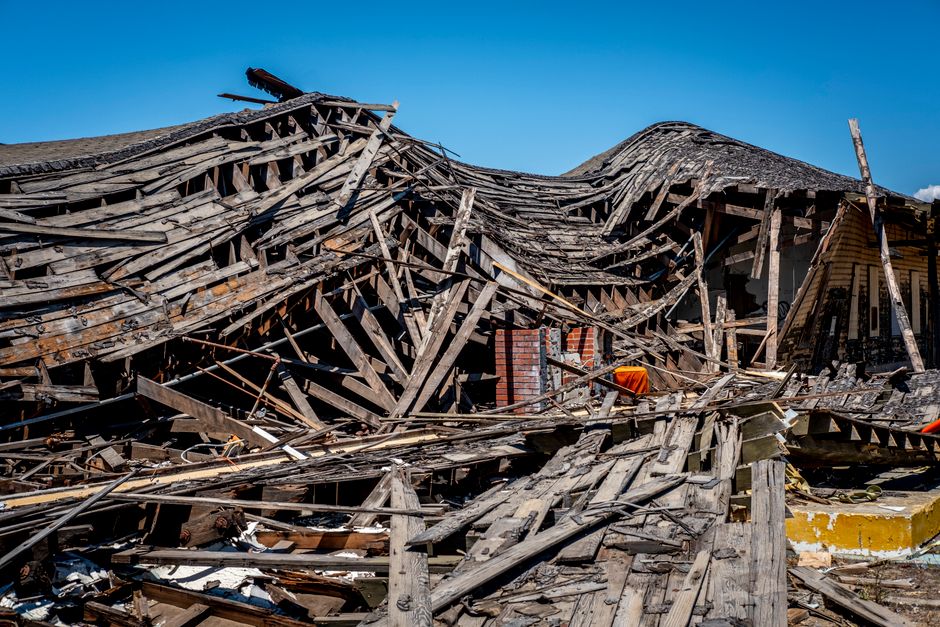
The Blind Spots of Our Tech-Driven World
This tragedy demands we look beyond the immediate shock and consider the deeper implications, especially through the lens of technology and AI. We pride ourselves on smart cities and predictive analytics, yet when the earth truly moves, what good are they? Where were the autonomous monitoring systems designed to detect compromised utility lines post-quake? Why aren’t advanced AI-driven sensors already standard in every major public building, capable of immediately identifying gas leaks, electrical fires, or structural weaknesses and alerting emergency services *before* an explosion? The answer is often a mix of cost, bureaucratic inertia, and a misplaced faith in human observation in times of chaos.
The hot take here is blunt: we are failing to fully leverage the very technological advancements we boast about. Imagine a world where AI could analyze seismic data in real-time, predict likely areas of utility failure, and automatically shut down compromised systems in a matter of seconds, long before human responders could even assess the damage. While Japan has sophisticated warning systems for the initial quake, this secondary event suggests a significant gap in mitigating subsequent, human-made or infrastructure-related disasters. Many lives could potentially be saved if our “smart” infrastructure were truly intelligent enough to anticipate and neutralize these follow-on dangers. We spend billions on AI for convenience and commerce, but seemingly hesitate to fully deploy it for the most fundamental human need: safety in the face of nature’s wrath. This is not to diminish the efforts of first responders, who are heroes, but to question the systemic inadequacies that put them in such perilous situations in the first place.
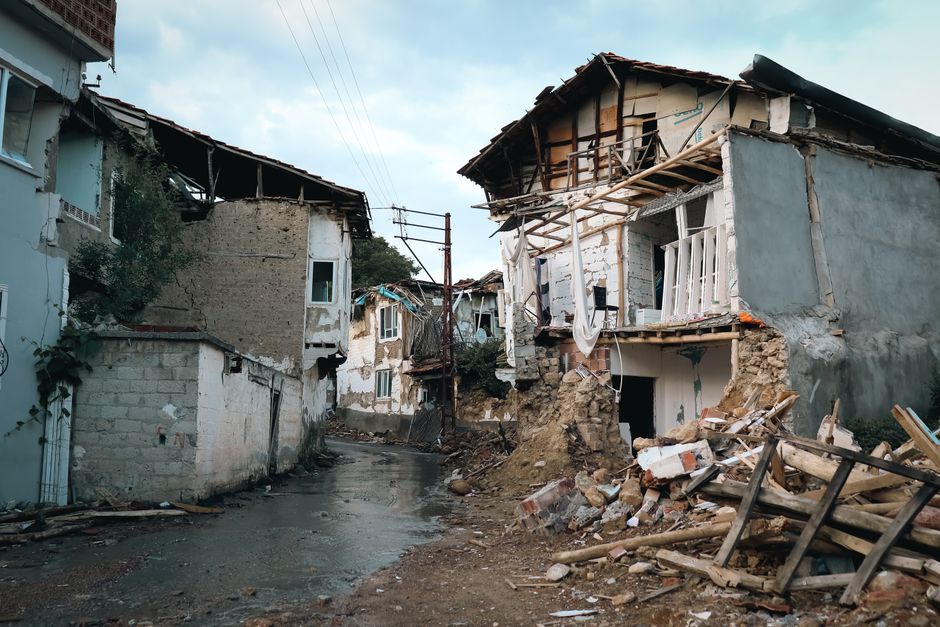
The fear of many trapped in Kumamoto is a stark reminder that resilience isn’t just about surviving the first punch; it’s about enduring the subsequent blows. Until we integrate truly proactive, AI-driven disaster mitigation into our urban planning, these tragic aftershocks will continue to expose the profound limitations of our current approach. We talk a big game about technological superiority, but when it truly matters, are we just building more complex traps for ourselves?
Source: Google — Middle East incidents