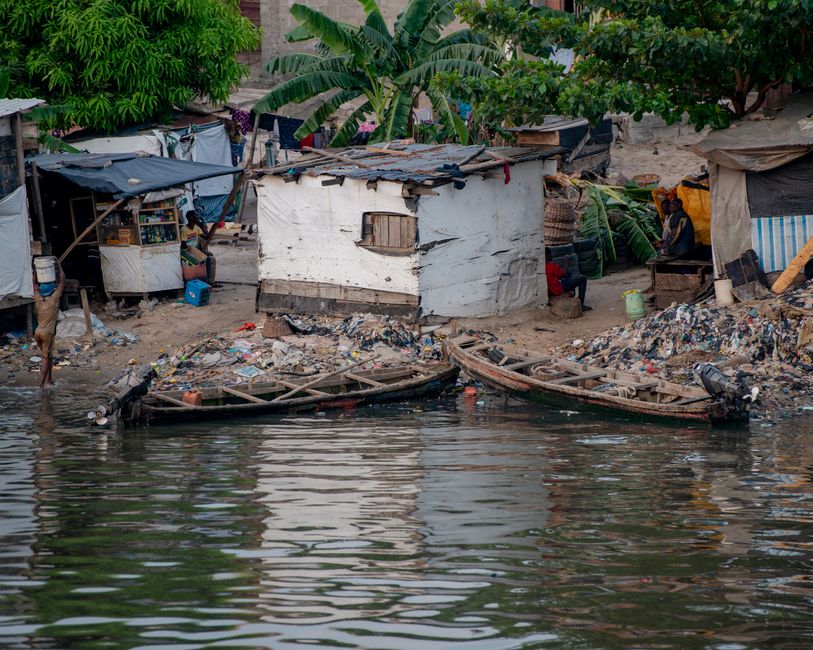
As Lagos once again grapples with its annual aquatic embrace, the State Government’s latest public statement attempts to **Don** a new narrative, but the waters of public skepticism run deep.
In a recent interview with Vanguardngr.com, the Lagos State Government offered its customary mid-rainy season update, painting a picture of diligent intervention amidst environmental challenges. The context is familiar: a sprawling, low-lying mega-city facing persistent flooding, exacerbated by heavy rainfall and the ubiquitous spectre of climate change. This year, however, the official pronouncements came with a sharp edge, directly cautioning critics against “politicising” the issue.
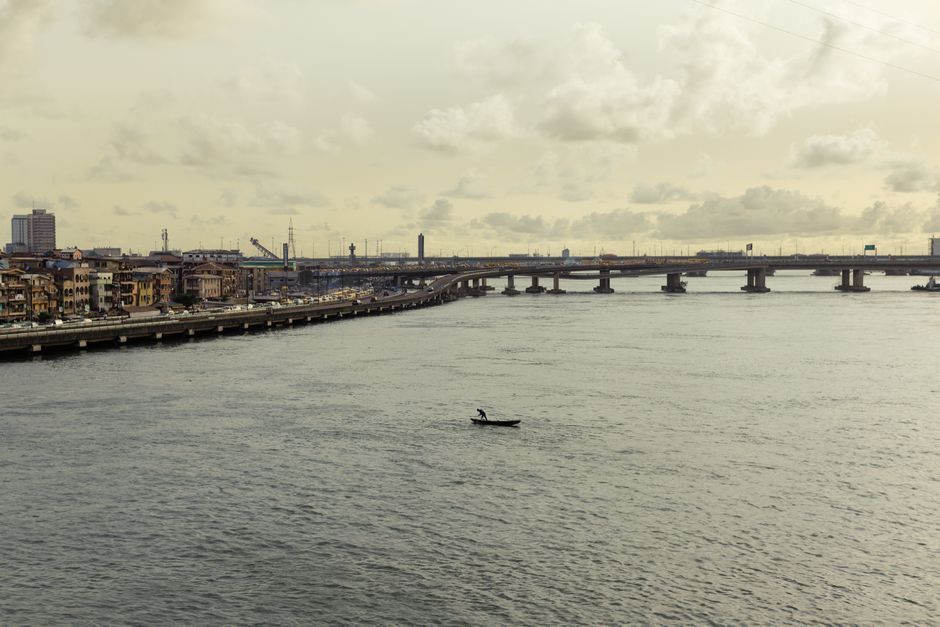
The statement, delivered through unnamed government spokespeople, aimed to reassure residents that ongoing efforts in drainage channel maintenance, wetland preservation, and floodplain management were yielding tangible results. It was, in essence, a plea for calm and a declaration of competence, even as the images of submerged streets continue to circulate.
What landed
The government’s consistent articulation of its ongoing infrastructure projects certainly landed. It made a clear case that it is *doing something* – that interventions are active, and that resources are being deployed. Paraphrasing the official position, the government insisted that despite the undeniable force of climate change and heavy downpours, its comprehensive strategies have “significantly reduced the impact” of flooding. This is a crucial claim, positioning the administration as proactive and effective, rather than merely reactive.
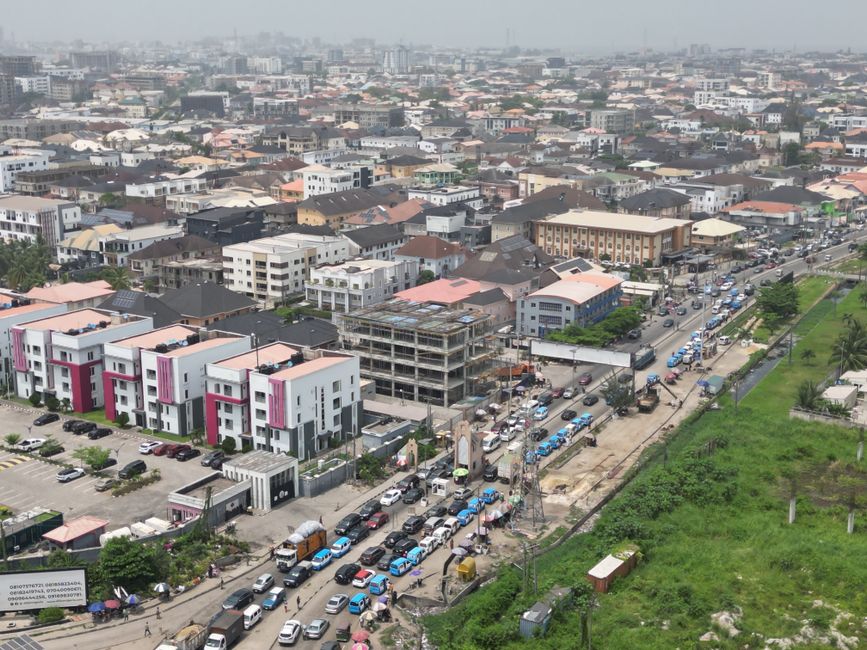
Furthermore, the emphasis on wetlands and floodplains suggests a recognition of ecological solutions, which, if genuinely implemented and sustained, could indeed offer long-term benefits beyond mere concrete channels. Acknowledging climate change also shows a contemporary understanding of the problem’s scale, moving beyond simple blame-shifting to a more complex, albeit still self-serving, explanation. The message intended to resonate was one of a government diligently at work, battling formidable natural forces with strategic planning and execution.
What doesn’t add up
While the government was keen to highlight its successes, the interview’s most revealing moment was arguably its most defensive: the explicit warning to critics not to “politicise flooding.” This particular directive, delivered amidst a season of public hardship, rings less like a plea for unity and more like an attempt to stifle legitimate public discourse. Flooding in a city like Lagos is, by its very nature, a deeply political issue. It affects livelihoods, property, public health, and basic infrastructure – all core responsibilities of governance. To suggest that citizens or opposition figures commenting on these very real impacts are merely “politicising” the problem feels disingenuous.
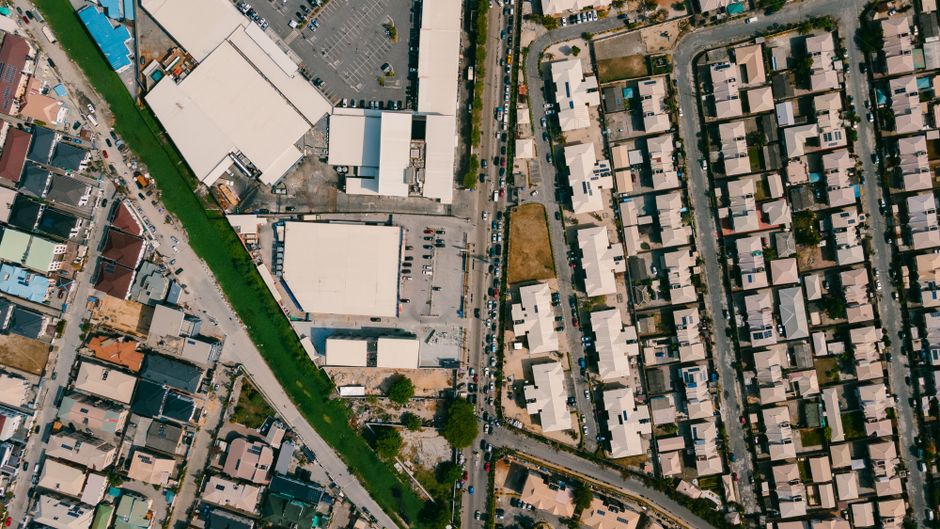
Such a statement inadvertently highlights the very gap it seeks to obscure: if interventions have “significantly reduced” the impact, why is there still such a palpable need for public criticism to be dismissed? The warning itself implies that the problem persists to a degree that necessitates a rhetorical counter-offensive. It creates a tension between the government’s claimed efficacy and its evident defensiveness, suggesting that the “reduced impact” might not be as universally experienced or as comprehensive as proclaimed. It’s a classic move: claim progress, then chastise anyone who points out the remaining challenges. The question remains whether this is a genuine call for constructive engagement or simply an attempt to manage the narrative ahead of more intense scrutiny.
The stakes for Monday morning are clear: for Lagosians, it’s another week of navigating watery commutes and assessing damage, while for the government, it’s a tightrope walk between maintaining a facade of control and addressing the very real, very public challenges that demand more than just a warning to critics.
Source: OnTheRecord