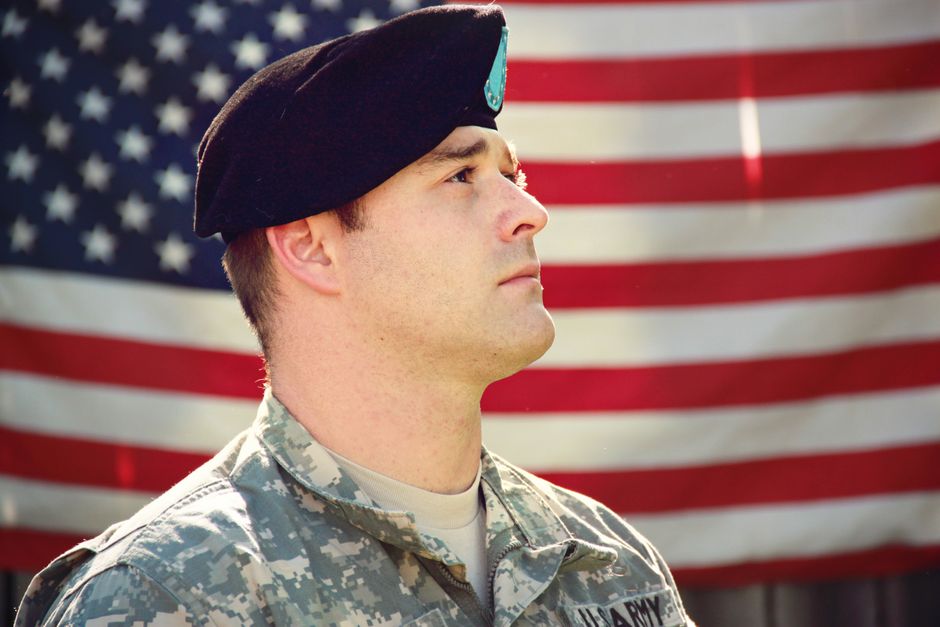
Another Fourth of July, another meticulously curated broadcast from a military base. This year, the focus landed squarely on the **Airborne** spirit, as ABC News’ Stephanie Ramos brought us from Fort Campbell, Kentucky.
The setting was classic Americana: the storied home of the 101st Airborne Division, one of the nation’s most recognizable fighting forces. Reporter Stephanie Ramos delivered a live segment from the base, framing the broadcast as a celebration of America’s founding. It was a tableau designed to evoke a potent blend of patriotism, military might, and unwavering national unity on a day traditionally reserved for fireworks and barbecues.
In 2026, such televised moments are less about breaking news and more about reinforcing narratives. With domestic divisions often stark and global anxieties persistent, turning to institutions like the military for a sense of common purpose is a well-trodden path. This particular dispatch from Fort Campbell aimed to underscore the enduring strength and foundational values of the United States, as embodied by its uniformed service members.
What landed
What landed from ABC News’ dispatch wasn’t a policy statement or a controversial soundbite, but an image, polished and potent. The very presence of the 101st Airborne, one of the most recognizable and historically significant divisions, at the center of a national holiday broadcast speaks volumes. It’s a visual shorthand for readiness, sacrifice, and an unbroken lineage of service stretching back through the nation’s conflicts.
Stephanie Ramos’s report from Fort Campbell served to embed the military directly into the fabric of the Independence Day celebration. The implied message was clear: the enduring spirit of America’s founding is inseparable from the strength and dedication of its armed forces. It presented a vision of steadfast tradition, a powerful and reassuring counterpoint to the often-turbulent national conversation. The focus on the “storied” nature of the 101st Airborne underscored a narrative of continuous excellence and historical pride, a message undeniably powerful on a day of national reflection. It’s an effective way to project stability and resolve, leveraging the military’s broad public appeal to convey a sense of national cohesion.
What doesn’t add up
While the imagery of the 101st Airborne celebrating America’s founding might warm patriotic hearts, it’s hard to shake the feeling that something significant was left unsaid. The broadcast, as described, leaned heavily into a celebratory, almost nostalgic vision of the military and the nation. Yet, in 2026, the realities facing both the armed forces and the country are far more complex than a flag-waving tableau might suggest.
One might wonder, for instance, how this celebratory message aligns with ongoing debates about military recruitment challenges, or the mental health toll on service members returning from protracted deployments. The focus on “America’s founding” is a noble sentiment, but what does it mean in an era where the interpretation of those founding principles is a source of intense political friction? Is this broadcast a genuine reflection of national sentiment, or a carefully constructed piece of political theatre, designed to offer a simplified, unifying narrative amidst a fractured landscape? The absence of any deeper engagement with the current realities facing the military—its budget, its strategic challenges, its diversity initiatives, or even its internal struggles with extremism—feels like a deliberate omission. It presents a sanitized, almost idealized version of military life, perhaps less as a service to those in uniform and more as a comfort to the viewing public. This kind of reporting, while ostensibly benign, can inadvertently create a disconnect between public perception and the lived experiences of those in uniform. It serves to reinforce a particular image, rather than fostering a comprehensive understanding.
Monday morning, the fireworks will have faded, but the implicit messaging from Fort Campbell will linger. This kind of broad-stroke patriotism, delivered by a revered military institution, isn’t just a holiday nicety. It shapes public opinion, reinforces the military’s role as a national symbol, and subtly recalibrates expectations for what constitutes national unity, often at the expense of addressing the more complicated truths that lie beneath the surface.
Source: OnTheRecord