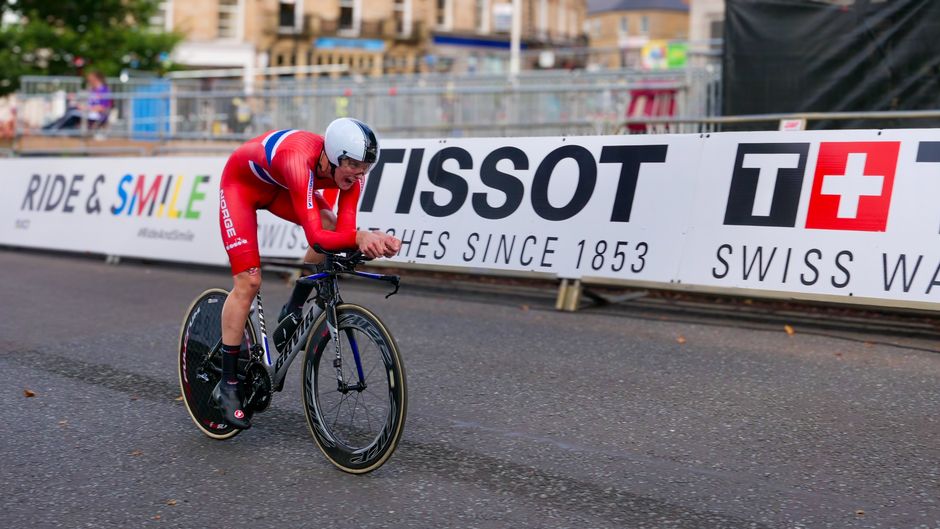
Another Tour de France, another display of dominance that threatens to turn a grueling three-week spectacle into a foregone conclusion. Jonas Vingegaard, already a titan, has just fired the opening shot in what many hoped would be a closer contest, but what now feels like a pre-ordained coronation.
According to France 24, Danish cyclist Jonas Vingegaard’s Visma-Lease a Bike outfit seized an early lead, winning the opening team time-trial in Barcelona on Saturday. Meanwhile, Slovenian rival Tadej Pogacar also delivered a strong performance, pursuing his ambition to become only the fifth rider in history to win the Tour five times.
The Strategic Chessboard for Vingegaard
This isn’t just about a few seconds gained or lost in the opening stage; it’s about the psychological warfare that defines modern professional cycling. The team time-trial (TTT) is a brutal, synchronized ballet of power, and Visma-Lease a Bike’s victory isn’t merely a win for the squad. It’s a direct statement of intent from the defending champion, Jonas Vingegaard, to every rival that dares to dream. This early lead isn’t just physical; it’s a profound psychological blow.
For years, the Tour de France has distilled into a two-horse race, a gladiatorial contest between Vingegaard and Pogacar. Their rivalry has captivated audiences, offering moments of breathtaking athleticism and strategic cunning. However, the TTT throws a wrench into that narrative, reminding us that individual brilliance is often forged in the crucible of collective effort. The meticulous preparation, the cohesive teamwork, and the sheer power demonstrated by Visma send a clear message: they are not just here to compete; they are here to dominate.
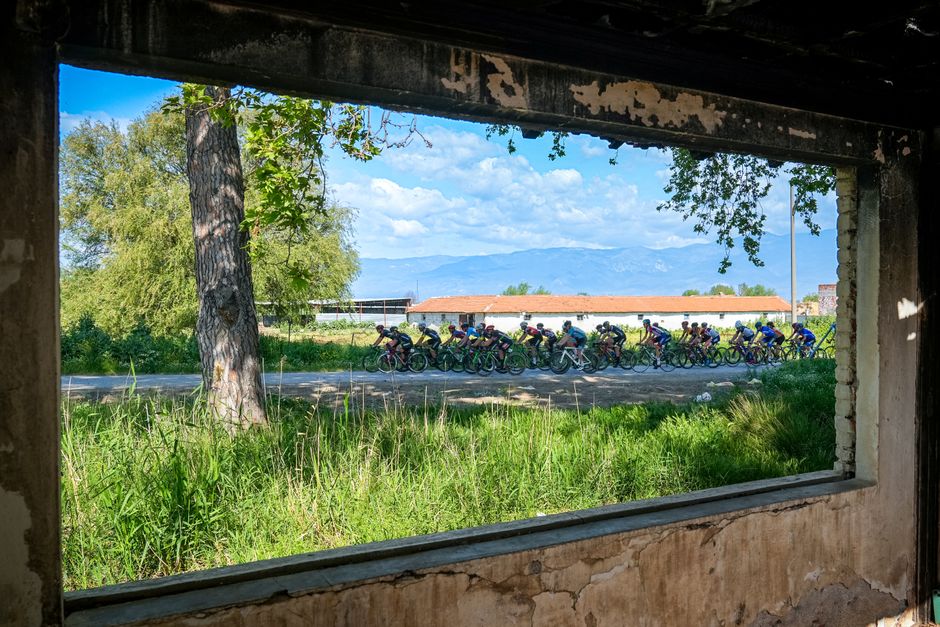
Early gains, particularly in a team event, ripple through the entire three weeks. They force competitors onto the back foot, compelling them to chase, to attack, and often, to take risks they might otherwise avoid. This pressure can accumulate, leading to errors, fatigue, and ultimately, shattered dreams. The Tour is a marathon, but the first few miles can dictate the pace and the eventual outcome.
The Unseen Battle of Morale
What the mainstream narrative often misses is the crushing weight of morale, or the lack thereof, in a Grand Tour. Seeing Vingegaard’s team already putting time into their rivals, even a formidable force like Pogacar’s UAE Team Emirates, plants a seed of doubt. It’s not just about the numbers on a stopwatch; it’s about the belief that you *can* win against such a perfectly oiled machine. This isn’t a sport for the faint-hearted, and Visma just made it significantly harder for everyone else.
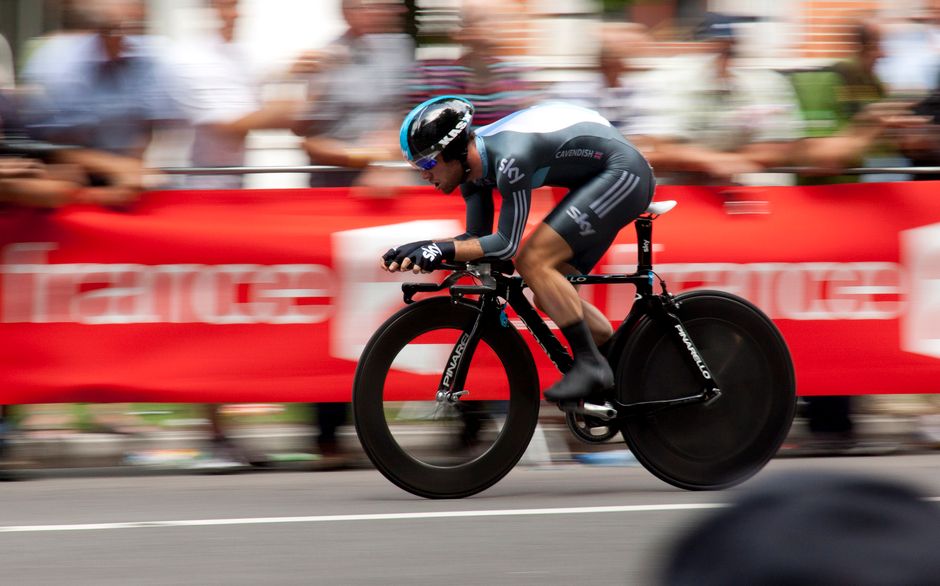
Of course, the Tour is long, brutal, and unpredictable. Crashes happen, form dips, and mountains still loom large. To suggest the race is over would be naive, even reckless. Pogacar is a fighter, a rider of immense talent and grit, and he will undoubtedly launch his characteristic assaults in the high mountains. Yet, every second lost now means a harder fight later, a deeper dive into the well of reserves when the body is already screaming for mercy. That’s a luxury Vingegaard has just bought himself.
This early show of strength by Visma-Lease a Bike, orchestrated around their leader Vingegaard, transforms the race from a hopeful duel into a relentless chase. It forces teams to recalculate, to take bigger risks, and potentially, to expose themselves in ways they didn’t anticipate. The beautiful chaos of the Tour often emerges from unexpected places, but when one team starts with such an emphatic statement, it threatens to streamline the narrative too early. The question now isn’t just who is the strongest, but who can withstand the psychological pressure of playing catch-up for three weeks straight.
So, as the peloton rolls out of Barcelona, the true race has already begun: not just against the clock, but against the specter of early dominance. Has the Tour de France already found its inevitable winner, or will someone dare to defy the narrative that Vingegaard’s team has so forcefully laid down?
Source: France 24