
Is there any market truly immune to the cold logic of supply and demand? Apparently not even the hallowed grounds of a World Cup match. The once stratospheric asking price for a prime **ticket** to witness the USA-Belgium last-16 showdown in Seattle has taken a dramatic nosedive, exposing a fascinating — and perhaps uncomfortable — truth about the economics of global sporting events.
According to Al Jazeera, the **ticket** price for the final 2026 World Cup match, which had previously peaked at nearly $4,000, plunged sharply, settling as low as $1,549 by Tuesday. This isn’t just a minor correction; it’s a gut-punch to those who bought early and a potential windfall for those with patience.

The Market Dynamics of a World Cup Ticket
This sudden drop isn’t merely about one game; it’s a stark indicator of the volatile, speculative nature of the secondary market for major sporting events. Consider this a preview for what’s at stake in Monday’s markets. When an event’s perceived value doesn’t quite meet the initial hype, prices must adjust. Seattle, a major host city, certainly benefits from the broader economic activity, but individual match demand is always a fickle beast.
The initial inflated prices are often driven by a cocktail of factors: nationalistic fervor, a fear of missing out, and the sheer audacity of scalpers and resale platforms. These platforms leverage algorithms and psychological pressure to push prices to the absolute limit. However, as the actual match day draws nearer, and the initial wave of emotional buying subsides, the market behaves like any other. If there are more sellers than eager buyers at exorbitant rates, the price must fall.
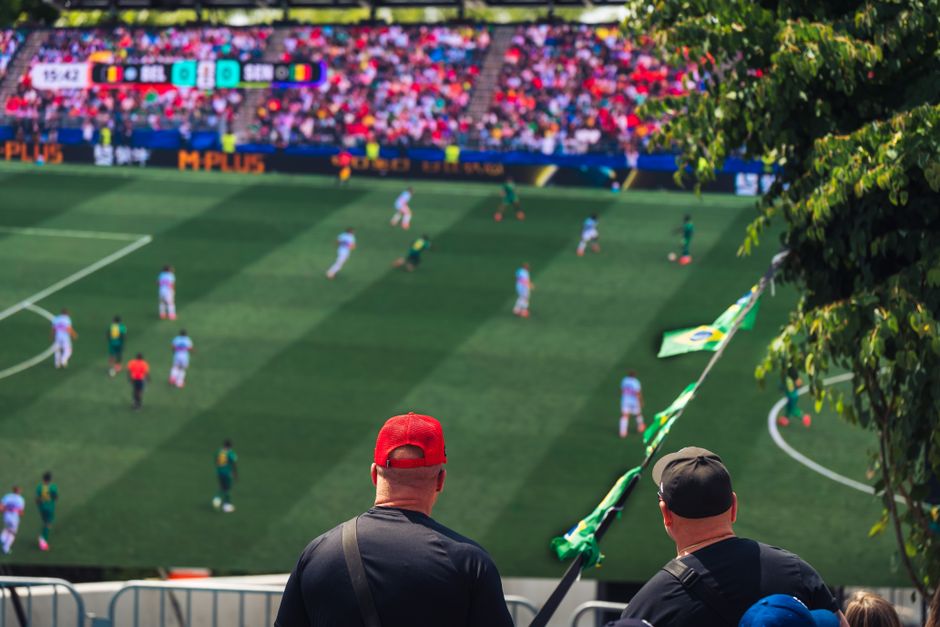
This isn’t just happening in Seattle, either. It’s a recurring pattern for mega-events, from the Olympics to Super Bowls, where the initial “gold rush” eventually gives way to a more rational, albeit still expensive, valuation. The question remains: how much of this initial price gouging is sustainable, and does it ultimately harm the fan experience or only redistribute wealth among speculators? The plummeting **ticket** price here provides a telling answer.
The Uncomfortable Truth Behind the Price Plunge
Let’s be blunt: this price plunge reveals an uncomfortable truth. The initial $4,000 asking price for a single entry was never about the intrinsic value of watching 22 men kick a ball. It was a speculative bubble, a bet on desperation and perceived scarcity. When that bubble bursts, as it clearly has, it’s often the everyday fan who benefits, or at least gets a slightly less punishing deal. The biggest losers, arguably, are the early bird speculators who bought at the peak, hoping to flip their **ticket** for even more profit.

This phenomenon highlights a fundamental tension: the World Cup is marketed as a global celebration, a universal passion, yet its access is increasingly dictated by elite economics. While some argue that high prices simply reflect high demand, this dramatic correction suggests that demand, even for a pivotal last-16 match featuring the host nation, has its limits. It exposes the predatory side of the resale market, where “dynamic pricing” often means “exploit what the market will bear.”
On the other hand, one might argue this is simply the market correcting itself, providing an opportunity for fans who were priced out to finally attend. Indeed, this downward trend could be seen as a victory for those who held out, refusing to be extorted. However, it also signifies a lack of transparency and regulation in the secondary ticketing ecosystem. Event organizers often claim to prioritize fans, yet they frequently allow these speculative markets to flourish, creating an unpredictable landscape for attendees.
The real winners here are the patient fans and, perhaps, the World Cup brand itself. If prices become too ludicrous, the very essence of the global game — its accessibility and broad appeal — starts to erode. A market correction, however harsh for some, ultimately makes the event more attainable, if still expensive, for a wider audience. This weekend’s events in Seattle could indeed be a canary in the coal mine for future major sporting events, signaling a need for greater scrutiny on secondary market practices.
The question now is, what lessons will be learned from this sharp descent in **ticket** value? Will future event organizers implement stricter controls, or will they continue to let the wild west of the resale market dictate fan access? One thing is certain: the market always finds its level, even if it has to crash through a few thousand dollars to get there.
Source: Al Jazeera