
Forget the tech giants constantly battling for our data and attention. What if the real revolution in commerce isn’t happening in Silicon Valley, but in the sprawling aisles of your local warehouse? It’s a bold claim, but the idea of **Costco** as the “anti-Amazon” is more than just a catchy phrase; it’s a profound commentary on where we are, and where we might be heading, in the relentless pursuit of consumer satisfaction.
According to an analysis published on Phenomenal World, the retail giant Costco is being hailed as the operational and philosophical antithesis to Amazon. This perspective suggests a stark contrast in business models and consumer engagement, challenging the prevailing narrative of digital-first commerce.
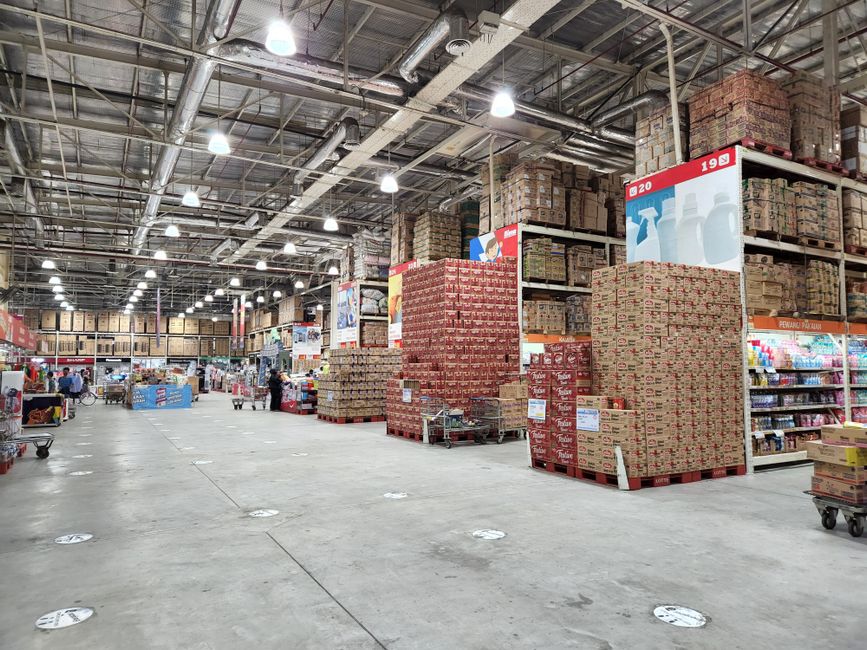
The Unassuming Power of Costco’s Model
For years, Amazon has been the undisputed king of convenience, a digital behemoth promising everything at your doorstep, often within hours. Its algorithm-driven marketplace, vast selection, and aggressive pricing have reshaped global retail, making it the benchmark against which all others are measured. Yet, beneath the surface of this apparent dominance, a quiet dissatisfaction has been brewing among consumers.
They are overwhelmed by endless choices and increasingly wary of opaque data collection. Many are starting to look elsewhere for authenticity and value, which is precisely where the **Costco** model truly shines. Amazon’s success is built on maximizing data, expanding choice, and optimizing logistics to an almost absurd degree. It’s about the endless scroll, the “customers also bought,” and the relentless push for more, more, more.
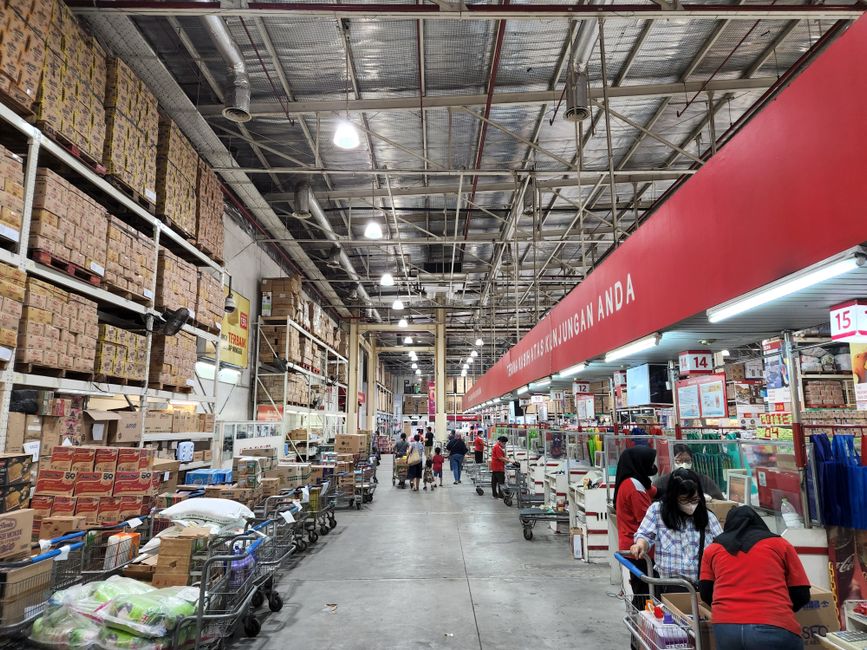
On the other hand, Costco intentionally curates its offerings, limits choices, and focuses on high-quality, bulk items at competitive prices, all while requiring a membership fee. It’s a deliberate act of simplification in an increasingly complex world. This curated experience offers a sense of trust and reliability that the vast, often overwhelming, digital marketplace struggles to replicate. Indeed, it’s a testament to the idea that sometimes, less is more.
Why the ‘Anti-Amazon’ Label Matters
The notion of Costco as the “anti-Amazon” isn’t merely a marketing slogan; it’s an ideological battleground for the future of retail. Amazon’s modus operandi commodifies everything, transforming human interaction into data points and buying into a race to the bottom on price, often at the expense of worker conditions and local businesses. Its very structure encourages impulsive buying and a sense of endless, often unnecessary, consumption.
Costco, however, operates on a different ethos entirely. By charging a membership fee, it aligns its incentives directly with the customer’s long-term satisfaction and value, rather than short-term transaction maximization. This model fosters loyalty, not just through low prices, but through a genuine perception of getting a good deal on trusted products. In this paradigm, consumers win by having a reliable filter applied to their purchasing decisions, saving time and mental energy that would otherwise be spent sifting through endless, often dubious, options online. The mainstream media often overlooks these subtle but significant shifts, obsessed with the next disruptive tech IPO rather than the quiet resilience of a model that prioritizes quality and community.
Of course, Amazon’s unparalleled convenience and vast selection will always hold appeal for many. For last-minute needs or niche products, its dominance remains unchallenged and frankly, often indispensable. However, the rise of the “anti-Amazon” sentiment points to a growing fatigue with the digital monoculture and a desire for more intentional, perhaps even more human, shopping experiences. This isn’t just about saving money; it’s about reclaiming a sense of control and trust in an era defined by overwhelming digital noise and algorithmic manipulation. The very idea that a brick-and-mortar warehouse club could offer a blueprint for ethical, sustainable, and consumer-friendly commerce in the age of AI is, quite frankly, revolutionary.
So, while the tech pundits continue to forecast an increasingly digital, algorithm-driven future, perhaps the most insightful commentary on the state of retail isn’t found in a venture capital pitch deck, but in the unassuming aisles of a **Costco** warehouse. Is this the quiet counter-revolution we’ve been waiting for? Or merely a temporary reprieve from the relentless march of algorithmic capitalism? The answer might just define what we value most as consumers in the years to come.
Source: Hacker News Best