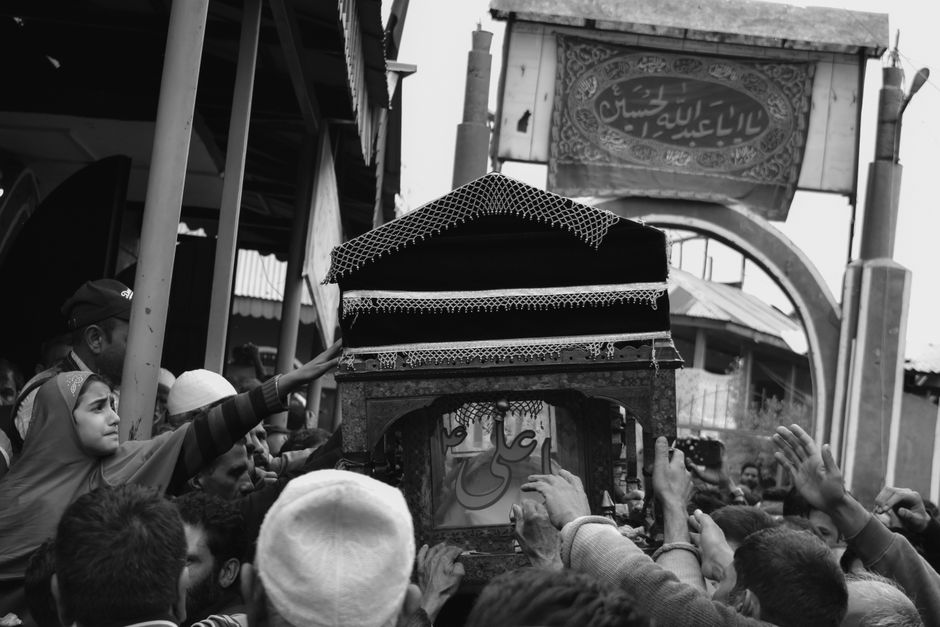
The sheer number is almost unfathomable, yet it speaks volumes about the crucible that is **Iran** today. When between 15 and 20 million people are expected to gather, it’s not just a funeral; it’s a geopolitical earthquake, a calculated spectacle, and a grim harbinger of what comes next. The world is about to witness an event steeped in both genuine grief and raw, unadulterated state power.
According to France 24, the funeral of Supreme Leader Ali Khamenei, who was assassinated in a US-Israeli strike in February 2026, is scheduled for July 4. Iranian authorities anticipate this staggering turnout, a figure that underscores the profound shift occurring in one of the world’s most volatile regions. This isn’t just the passing of a leader; it’s the violent removal of a national figurehead and the beginning of an uncertain future.
The Shifting Sands of Iran
The assassination of Ali Khamenei in a US-Israeli strike was not merely an act of war; it was an unprecedented escalation. For decades, Khamenei served as the ultimate ideological compass for the Islamic Republic, the supreme arbiter of its domestic and foreign policy, and the symbolic embodiment of its revolutionary resistance. His sudden, violent removal rips a gaping hole in the very fabric of the Iranian state, far beyond the typical succession crisis. This wasn’t a natural death that allowed for careful, pre-planned transitions; it was a thunderclap that forced a reckoning.
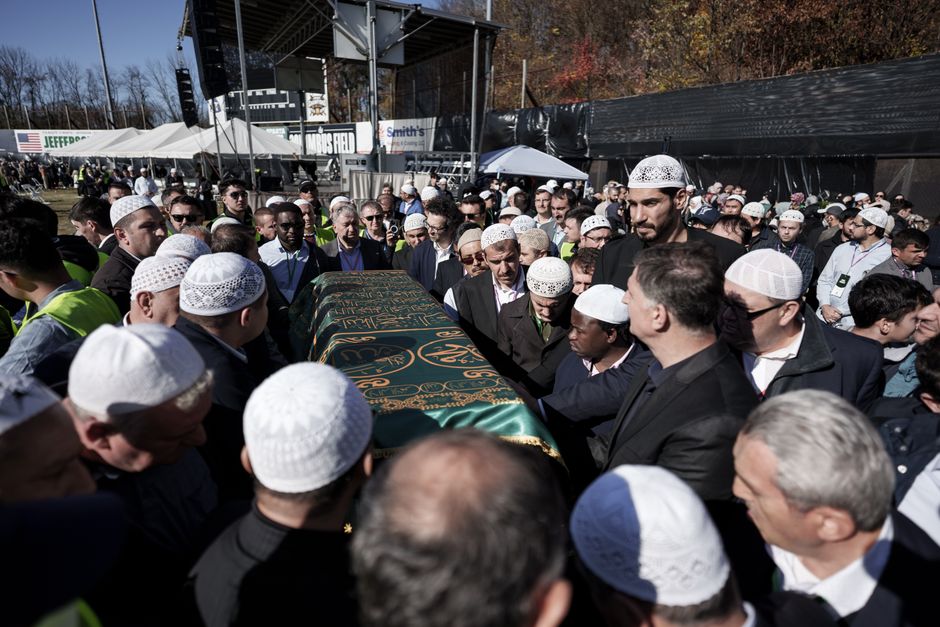
The expected turnout of 15 to 20 million mourners is a number that demands scrutiny. While undoubtedly a significant portion of the population will genuinely mourn a leader who guided them for over three decades, the scale also serves a crucial state function. It is a carefully orchestrated display of national unity, a powerful message to both internal dissenters and external enemies. This grand procession is designed to project unwavering strength and popular legitimacy in the face of what the regime will undoubtedly frame as a grave act of foreign aggression. It is a massive propaganda exercise, a visual testament to an enduring revolution, even as the country faces its greatest leadership void since its founding. The world needs to understand that this event is as much about political theater as it is about solemn mourning.
The Funeral as Fury: What Comes Next
Who wins from Khamenei’s assassination? On the surface, the US and Israel might claim a tactical victory, removing a figure they viewed as the architect of regional destabilization and a primary obstacle to their interests. However, this short-term gain masks a potentially catastrophic long-term consequence. By assassinating the Supreme Leader, they have not merely eliminated a problem; they have ignited a fuse that could lead to a far more unpredictable, aggressive, and potentially radical **Iran**. The vacuum left by Khamenei’s death will not be filled by a moderate, compliant figure. Instead, it will likely be seized by hardline elements within the Revolutionary Guard Corps (IRGC) and the clerical establishment, hungry for vengeance and determined to prove their mettle.
The mainstream narrative often misses the point that the Iranian regime thrives on external pressure and perceived threats. This assassination, far from weakening the system, could very well strengthen the most uncompromising factions, providing them with a powerful rallying cry and justification for further entrenchment. Expect a brutal internal power struggle, with the IRGC likely consolidating even more influence, potentially sidelining the more traditional clerical establishment. This could lead to an even more militarized state, less accountable to any semblance of civilian oversight, and far more willing to take extreme measures. The “Axis of Resistance” – Iran’s network of proxies – now faces a critical moment. Will it fragment without its central figure, or will a new, more aggressive leader emerge to re-energize it, perhaps with a renewed mandate for confrontation? The implications for regional stability, from Lebanon to Yemen, are dire.
Furthermore, the nuclear question looms larger than ever. With the precedent of their supreme leader being assassinated, any new leadership in **Iran** will feel immense pressure to accelerate their nuclear program, not just as a deterrent but as a symbol of national survival. The funeral, therefore, is not merely a memorial; it is a declaration. It’s a public statement of defiance and a prelude to a new, potentially far more dangerous chapter in the Middle East. The West might have hoped for collapse or liberalization, but what it has likely engineered is a more unified, more vengeful, and ultimately, more dangerous adversary.
The massive crowds gathering in Iran are not just saying goodbye to a leader. They are standing at the precipice of a new era, one defined by the violent legacy of an assassination and the dangerous uncertainty of succession. The world watches a funeral, but perhaps it should be watching the powder keg.
Source: France 24