
Can South Asia finally shake off the shackles of its economic stagnation? The Indian government appears ready to make a significant move, reportedly preparing plans to cut taxes to lure foreign bond buyers. This potential shift could redefine the region’s financial landscape and, if successful, may ignite a new wave of investment.
According to Bloomberg, India is considering tax cuts aimed at attracting foreign investment in its bond market. These plans come in the wake of persistent struggles to boost private investment and stimulate economic growth, especially as global interest rates have become increasingly competitive.

The Stakes for South Asia’s Economy
This matters now more than ever. India’s economy, while still one of the fastest-growing in the world, faces serious headwinds. High inflation, currency fluctuations, and challenges in domestic consumption have stifled investor confidence. By reducing taxes, the Indian government is signaling that it recognizes these economic pressures and is willing to take bold steps to attract foreign capital.
At the same time, this move reflects the broader competition within South Asia. Neighboring countries like Bangladesh and Pakistan are striving to attract foreign investment as well, particularly from developed nations looking to diversify their portfolios. If India can successfully implement these tax cuts, it may not only bolster its own economy but also put pressure on its regional rivals to follow suit.
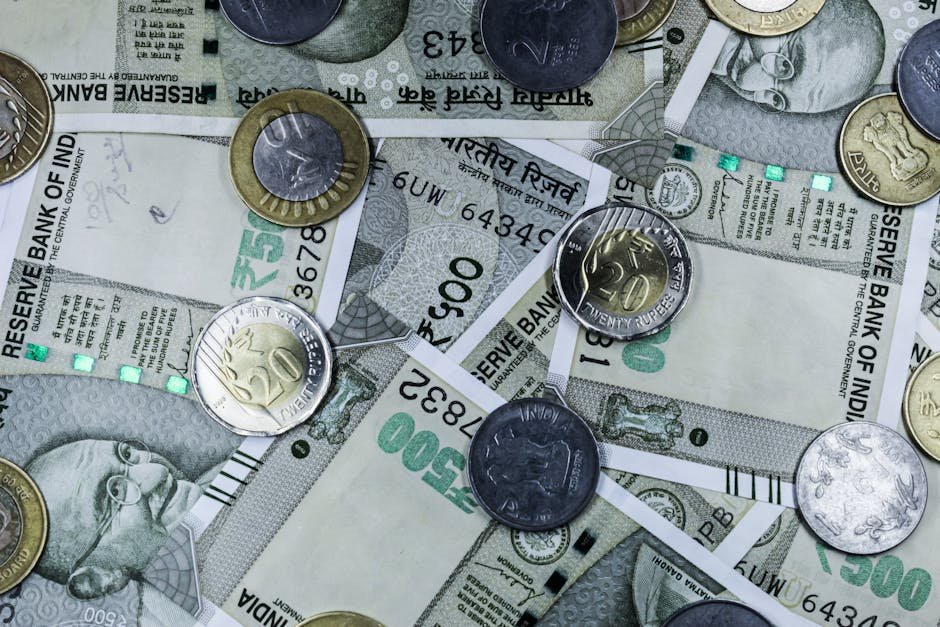
A Double-Edged Sword
However, this strategy is fraught with risks. On one hand, lower taxes could boost the bond market, leading to increased investment and a stronger economy. On the other hand, if this move fails to attract the anticipated capital, it could exacerbate already existing fiscal issues. The mainstream narrative often overlooks the long-term implications of such tax cuts, which could lead to rising deficits and reduced public spending.
Moreover, the focus on foreign bond buyers raises critical questions about domestic priorities. Will the government prioritize foreign investors over local needs? In the chase for international investment, there’s a real danger of neglecting the social fabric that has historically been the backbone of India’s economy. Many Eastern economies have fallen into this trap, prioritizing foreign capital at the expense of local entrepreneurs and small businesses.

Close to a Turning Point
Ultimately, India’s willingness to cut taxes to attract foreign bond buyers could mark a pivotal moment for South Asia. This move could either catalyze a new era of economic growth or plunge the region deeper into uncertainty. As the world watches, the question lingers: will these tax cuts prove to be the lifeline South Asia needs, or a reckless gamble that sacrifices long-term stability for short-term gain? Only time will tell.
Source: Google — South Asia