Here’s a truth no one wants to admit: when a celebrity dons a piece of ancient history, especially one ripped from a complex heritage like Iran’s, it’s rarely just about fashion. It’s about power, provenance, and the uncomfortable silence around what constitutes cultural ownership in a globalized world. Zendaya, in promoting her new Christopher Nolan epic *The Odyssey*, has inadvertently stumbled into this very minefield.
According to The Guardian Middle East, the film star recently appeared at a London photocall wearing gold artefacts dating back almost 3,000 years. These antique earrings, reportedly of ancient Iranian origin, have sparked a significant backlash, drawing attention to their long separation from their homeland.
The Lingering Echoes of Iran’s Stolen Past
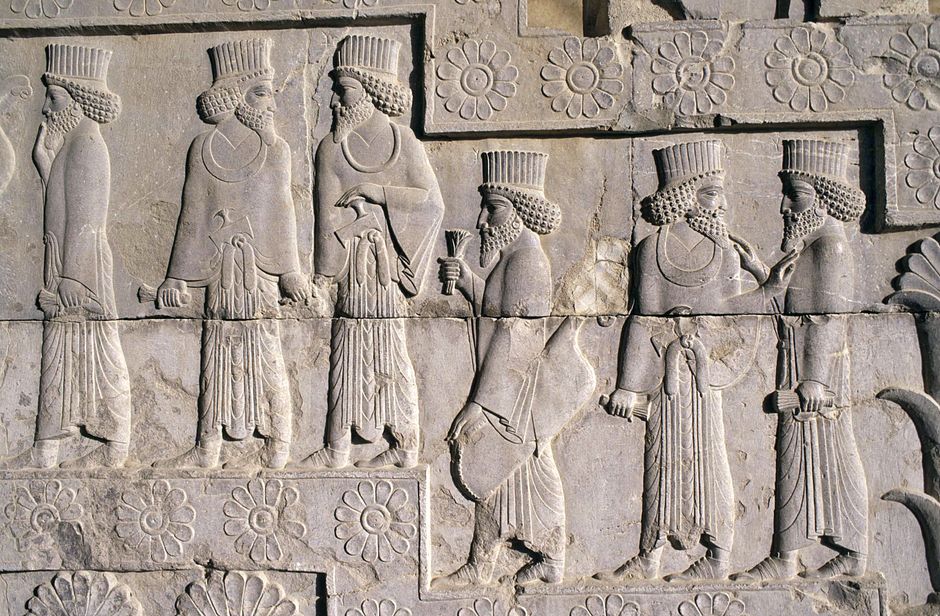
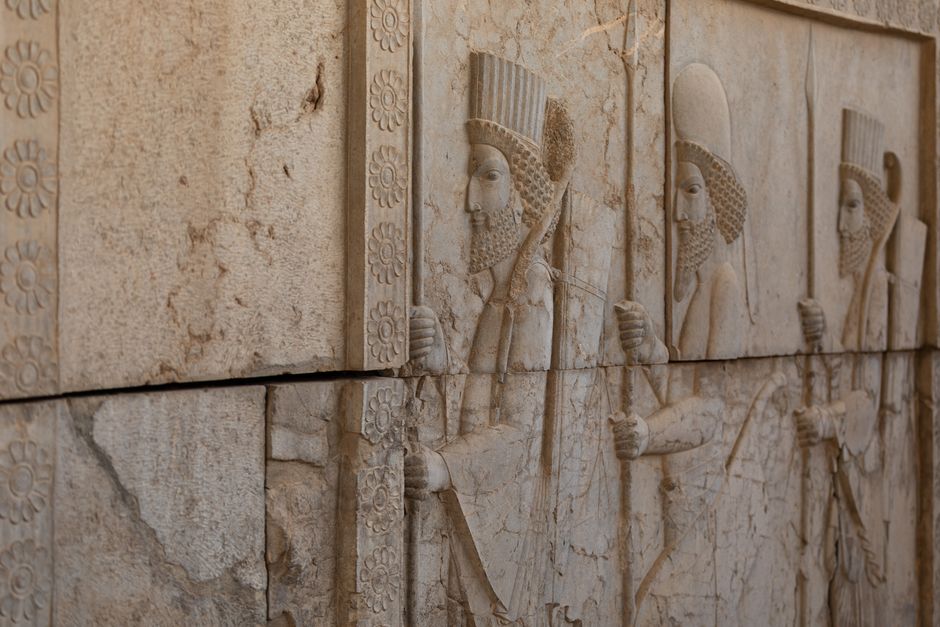
This isn’t merely a celebrity faux pas; it’s a glaring spotlight on the deep-seated issues of cultural heritage and repatriation. For millennia, Iran has been a cradle of civilization, its lands yielding breathtaking artistic and historical treasures. Many of these, however, found their way into Western collections and private hands through less-than-ethical means, often during periods of colonial influence or political instability. The very notion of an “ancient Iranian” piece of jewellery floating around on the red carpet, attributed to a vague past, speaks volumes about the disconnect.
The *Odyssey* itself, a tale of a long journey home, ironically provides a potent backdrop. While Odysseus battled mythical creatures to return to Ithaca, countless artefacts from nations like Iran have no such heroic journey back. They remain in foreign museums, private collections, or, as we’ve now seen, on the ears of Hollywood royalty. This context is crucial. It’s not just about one pair of earrings; it’s about the ongoing struggle for cultural restitution, particularly for nations like Iran, which have long sought to reclaim their stolen heritage. The question of how these treasures left Iran in the first place, and who profited from their export, looms large over any discussion of their current display.
When Adornment Becomes Appropriation
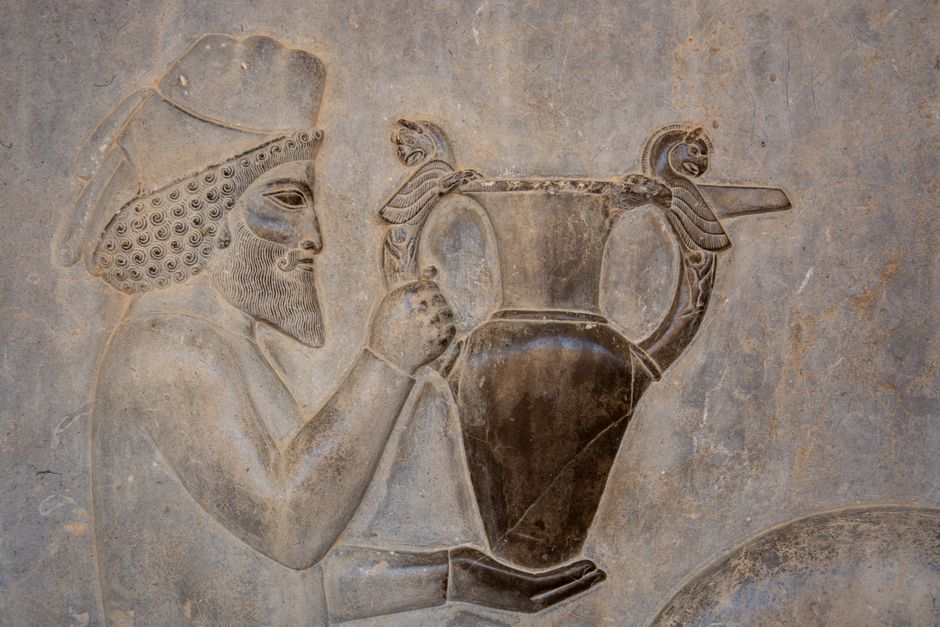
Let’s be blunt: the optics here are terrible, regardless of how Zendaya or her stylist acquired the pieces. A Western celebrity, playing a Greek goddess, sporting ancient Iranian artefacts for a film premiere screams tone-deafness. It perpetuates a narrative where the rich cultural patrimony of the Middle East is viewed as a global commodity, rather than an integral part of a living culture and national identity. It’s a stark reminder that while Hollywood celebrates ancient epics, the real-world implications of ancient history are often ignored or, worse, trivialized.
This isn’t just about Zendaya; it’s about the broader narrative surrounding cultural artefacts from places like Iran. Is it enough to say the pieces were “ethically sourced” if their original journey out of the country was questionable? Is it enough to claim ignorance when the entire world is having a robust conversation about decolonization and the return of stolen goods? The mainstream media often frames these debates as academic or niche, but this incident proves they are anything but. They are immediate, visceral, and tied to profound questions of justice and respect. While some might argue that display, even abroad, preserves these items, that argument conveniently sidesteps the fundamental right of a nation to its own cultural property. The decision to wear such items, however well-intentioned, risks turning sacred heritage into mere costume. The message it sends, whether intended or not, is that certain cultures’ pasts are up for grabs, available for aesthetic consumption without acknowledging the deep wounds of their extraction.
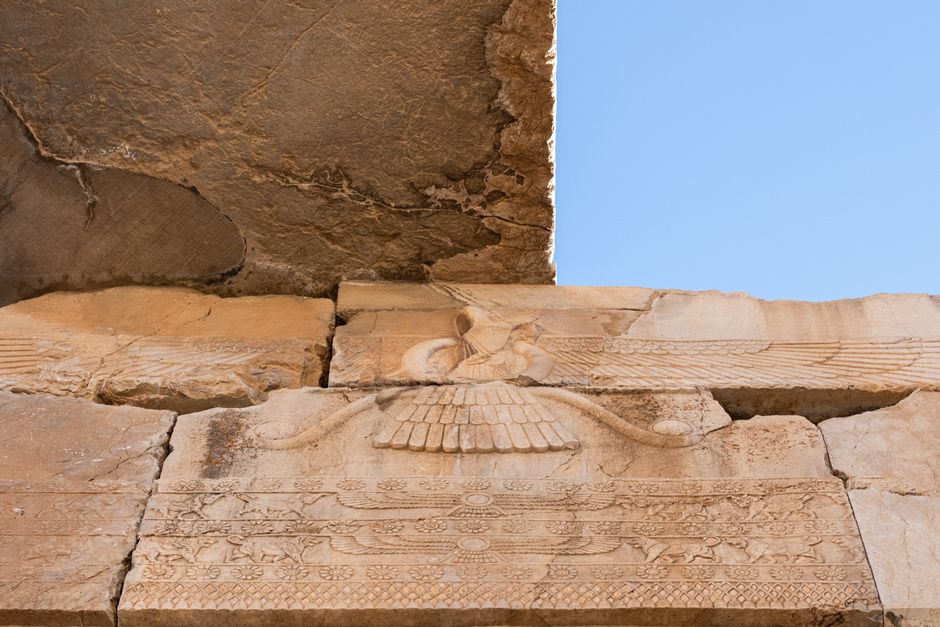
This incident should serve as a wake-up call, not just for stylists and celebrities, but for the entire entertainment industry. Perhaps it’s time for a more profound odyssey – one that brings Iran’s stolen treasures home, and one where cultural sensitivity takes precedence over sensational accessorizing.
Source: Guardian Middle East