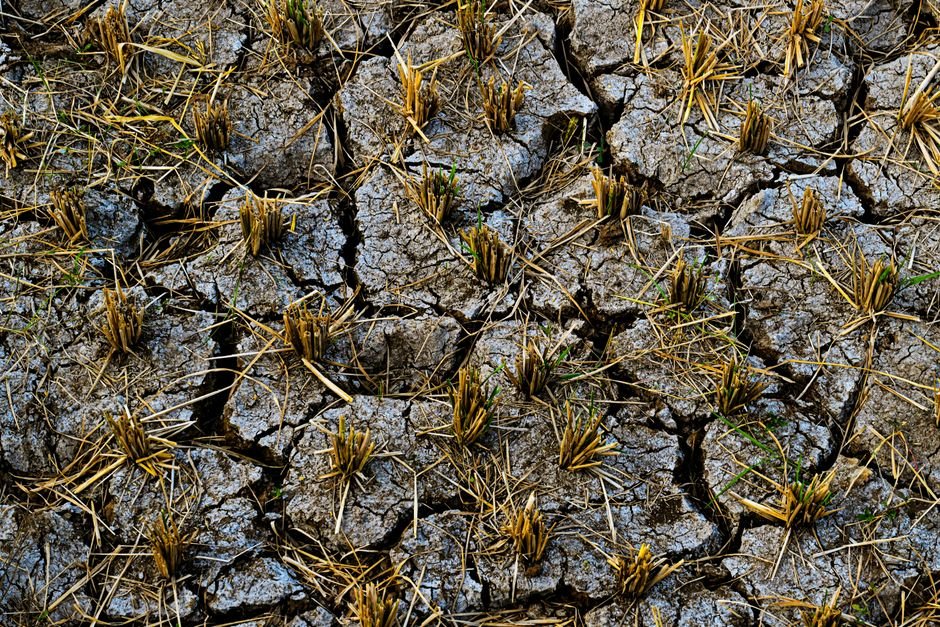
Climate change is no longer a distant warning; it’s a blistering heatwave scorching South Asia right now. As temperatures soar and life-threatening conditions become the norm, one has to wonder: what’s it going to take for global leaders to wake up and take action?
According to the Carnegie Endowment for International Peace, India is experiencing one of the worst heatwaves in its history, with temperatures reaching unprecedented levels. This isn’t just a seasonal anomaly; it’s a harbinger of the chaos that unchecked climate change promises for the entire region.
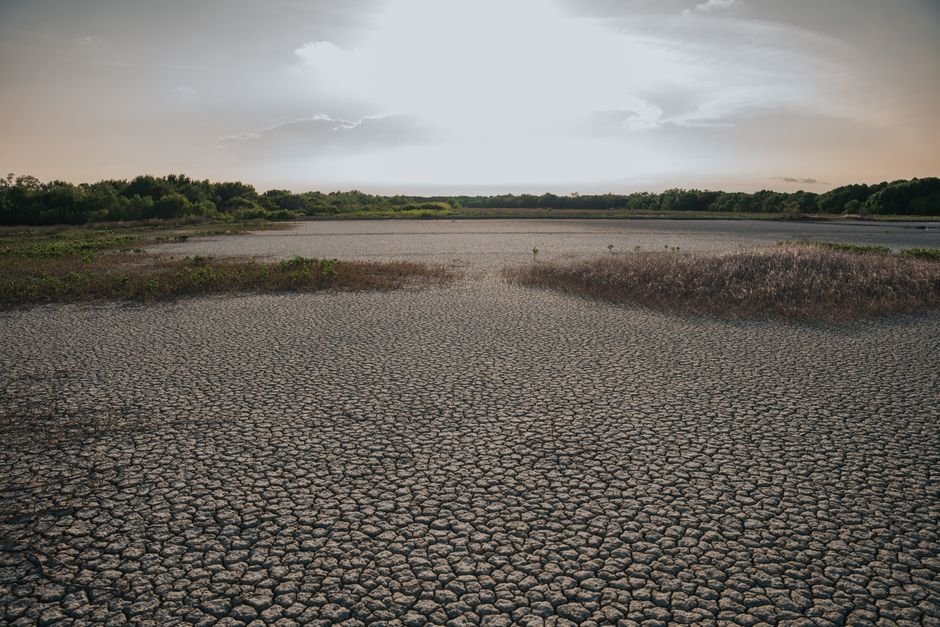
The Heatwave’s Alarming Implications for South Asia
What makes this heatwave particularly alarming is its timing. India, a nation with a population that heavily relies on agriculture, water resources, and outdoor labor, stands on the precipice of a crisis that could unravel the delicate fabric of its economy and society. The realities of climate change are cruelly exacerbated in South Asia, where large populations live in poverty and are particularly vulnerable to environmental shocks. This is not just a domestic issue; the ramifications ripple through the region, affecting neighboring countries and global markets. The interconnectedness of South Asian economies means that a crisis in one nation can destabilize the entire region.
So, what’s at stake here? Well, everything. The heatwave and its consequences could push millions further into poverty, disrupt food supply chains, and spark mass migration. The very survival of communities that depend on monsoon rains and stable weather patterns hangs in the balance. As the mercury rises, so does the likelihood of social unrest, as desperate citizens react to worsening living conditions.
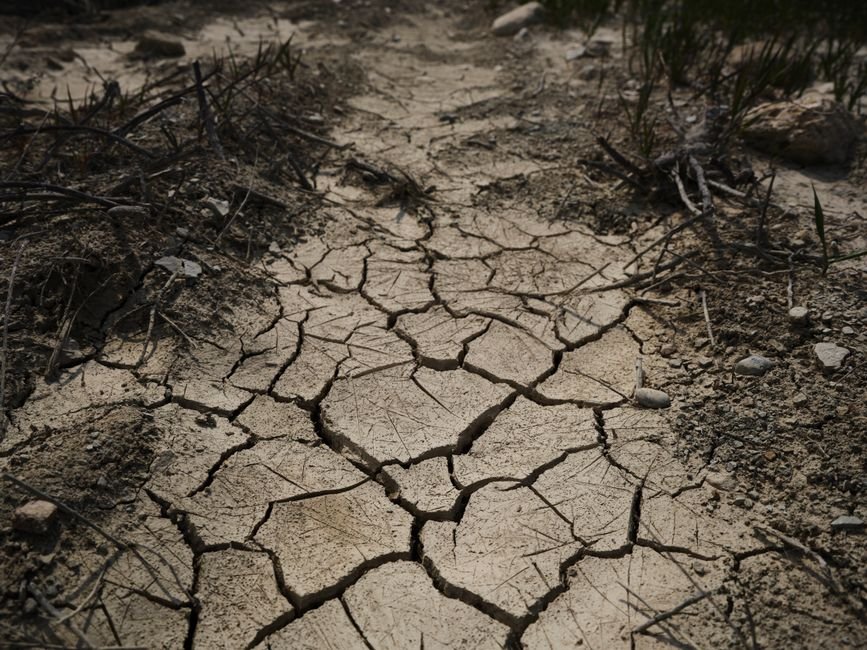
Who Wins and Who Loses in the South Asia Climate Crisis?
Here’s the harsh truth: this heatwave exemplifies who stands to win and lose in the climate crisis. Corporations that exploit fossil fuels and continue to pollute are the clear winners—at least in the short term. They enjoy profits while the rest of us gasp for air and face skyrocketing energy prices. Meanwhile, the average South Asian citizen bears the brunt of these actions. Farmers watch their crops wither away, families struggle to stay cool during record temperatures, and public health systems buckle under the pressure of heat-related illnesses.
Policy responses from governments are also under the spotlight. The inadequacy of climate policies in South Asia lends itself to speculation: are governments truly invested in the welfare of their citizens or merely playing lip service to the global community? With the world watching, the stakes are higher than ever. Inaction could lead to catastrophic consequences, while timely and decisive policies could pave the way for resilience and adaptation.
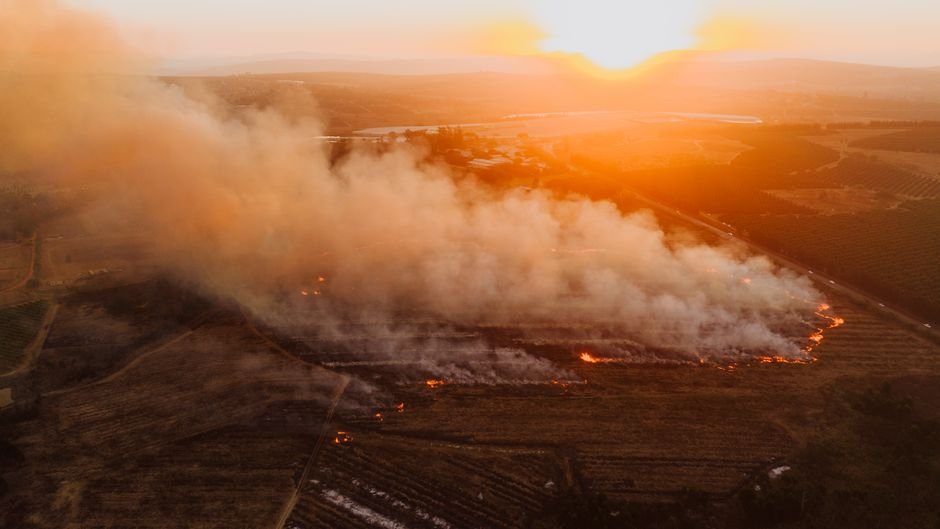
However, there is a silver lining. The current heatwave might just be the wake-up call that South Asia needs. Civil society, environmental activists, and even some forward-thinking businesses are beginning to mobilize for climate action. The narrative is shifting from one of despair to that of responsibility and innovation. As technologies evolve, solutions like renewable energy, sustainable agriculture, and water conservation can no longer be ignored.
In conclusion, this heatwave is not merely a weather event; it’s a profound warning for the future of South Asia and the world. As temperatures climb, so should the urgency of our response. Political leaders, corporations, and citizens alike must recognize that apathy is no longer an option. Are we ready to face the heat, or will we continue to let climate complacency dictate our fates? The clock is ticking, and we can’t afford to ignore the signs any longer.
Source: Google — South Asia