“Goats.” The word conjures images of farm animals, perhaps a stubborn pet, rarely the pinnacle of athletic achievement. Yet, in a remote corner of India, these creatures are the grand prize, the ultimate symbol of victory, turning the global spectacle of football on its head. This isn’t just a quirky local story; it’s a mirror reflecting the absurdity of our hyper-commercialized world.
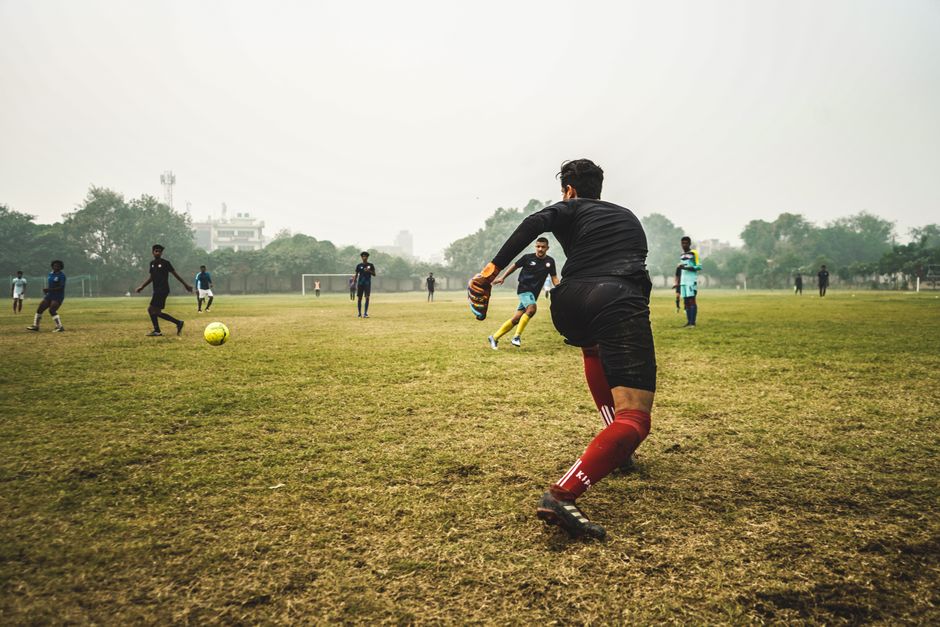
According to Al Jazeera, teams from remote tribal villages in an Indian district surrounded by forests and hills are competing in a football tournament where the coveted prize is not a cash sum or a gleaming trophy, but livestock.

The Allure of Goats
This isn’t merely a quaint anomaly; it’s a profound statement on value and community, particularly relevant in the context of South Asia where traditional ways often clash with modern aspirations. For these villagers, a goat isn’t just an animal; it’s a living asset, a source of milk, meat, and future generations. It represents sustenance, status, and sustainable wealth in a way that fiat currency, often volatile and abstract, simply cannot.
In an era where football has become a multi-billion-dollar industry, dominated by transfer fees and endorsement deals, this tournament offers a stark, beautiful counter-narrative. It reminds us that for vast swathes of humanity, true wealth is still measured in tangible assets, in the ability to feed one’s family and strengthen one’s communal bonds. The participants are not aspiring millionaires; they are guardians of a way of life, demonstrating remarkable self-sufficiency.
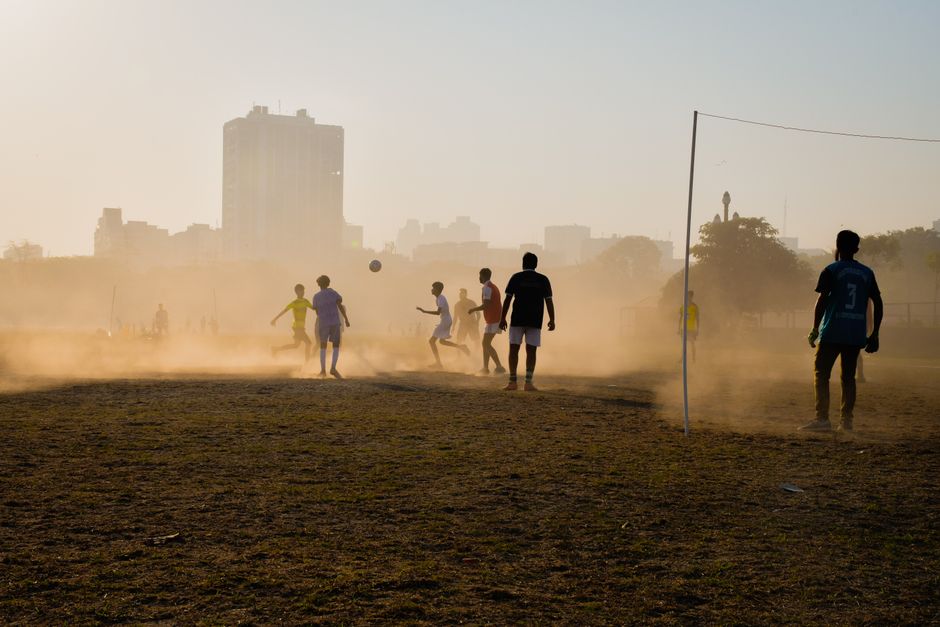
This practice stands in stark contrast to the relentless push for urbanization and the adoption of global economic models often seen across South Asia, where traditional livelihoods are frequently devalued. They play for pride, for their village, and for the very real, practical benefits that a champion **goat** brings. This indigenous twist highlights a powerful resilience against the homogenizing forces of globalization, where every local tradition is often expected to conform to Western economic models, sacrificing cultural identity for perceived “progress.” The deeper implication here is a quiet assertion of autonomy, a refusal to let external values dictate their internal systems of reward and recognition.
Reclaiming the Spirit of Competition
The mainstream narrative, perpetually fixated on astronomical salaries and corporate sponsorships, completely misses the profound point here. This tournament isn’t a backward step into some romanticized past; it’s a radical reclamation of sport’s original, communal purpose. It embodies genuine community engagement, where the stakes are understandable, tangible, and directly beneficial to the participants’ daily lives.
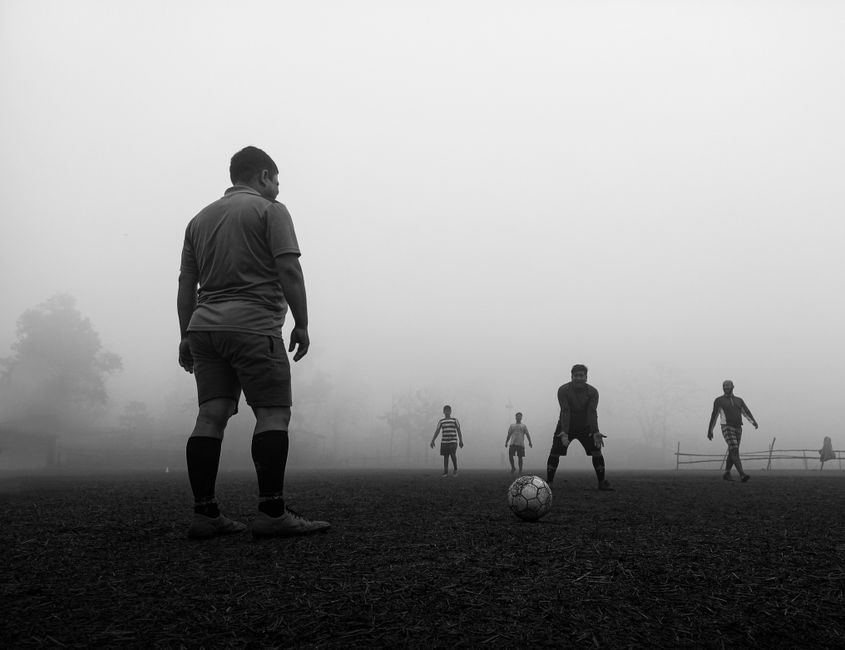
Who wins? The villages themselves, whose collective spirit is bolstered, whose traditions are reinforced, and whose winning team brings a valuable asset directly into their local economy. It’s a localized, sustainable model of success. Who loses? Frankly, the pervasive illusion that modern sport, completely divorced from local realities, is the only valid or aspirational form.
The commercial behemoths of FIFA and their ilk might scoff, viewing this through a lens of economic “underdevelopment,” but they could learn a thing or two about genuine engagement and grassroots value. This isn’t about selling jerseys or attracting global media rights; it’s about providing food, strengthening communal ties, and celebrating shared heritage. The irony is palpable.
While elite clubs fret over financial fair play regulations and maximizing shareholder value, these tribal communities demonstrate a truly fair play, where victory translates into immediate, life-affirming dividends for the entire collective. This isn’t just about football; it’s about a quiet, powerful defiance against the commodification of every aspect of human endeavor, a lesson in what truly holds value. The worth of the **goats** transcends mere monetary exchange, embodying a deep cultural and practical significance that the global sports industry, in its quest for profit, has long forgotten. It’s a stark reminder that true wealth isn’t always liquid; sometimes, it bleats.
So, as the world obsesses over transfer windows and VAR decisions, perhaps we should pause and consider what true success looks like. Is it the gilded trophy in a sterile stadium, or the bleating prize that feeds a family and strengthens a community? The answer, like the aroma of a home-cooked meal, seems obvious to anyone who hasn’t lost touch with reality. Maybe it’s time we all started playing for **goats**.
Source: Al Jazeera