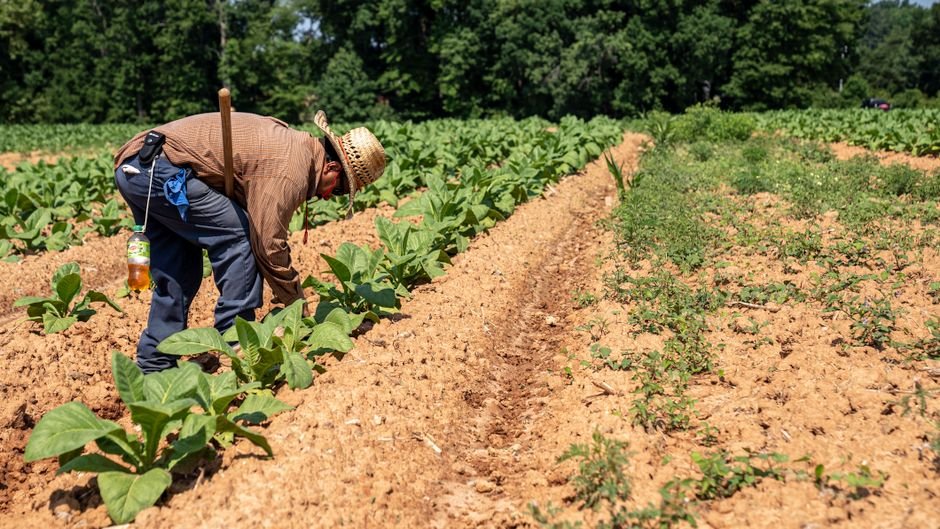
The future of U.S. agricultural exports hinges on South Asia—are we ready to seize the moment? As India engages in trade discussions, analysts suggest a substantial opportunity to broaden American agricultural exports. According to Brownfield Ag News, these talks could significantly enhance the flow of U.S. farm products into a burgeoning Indian market.
The Importance of South Asia in Global Trade
This isn’t merely an economic footnote; the significance of South Asia in global trade dynamics is ever-growing. With its vast population and expanding middle class, India represents a tantalizing opportunity for U.S. exporters who are eager to tap into a market that craves more diverse agricultural products. The backdrop of these discussions is the increasing global food demand—fueled by population growth, changing diets, and economic development—making the timing of these talks crucial. The players in this scenario are well-known: the U.S., which has long been a leader in agricultural innovation, and India, with its complex regulatory environment and diverse consumer preferences.
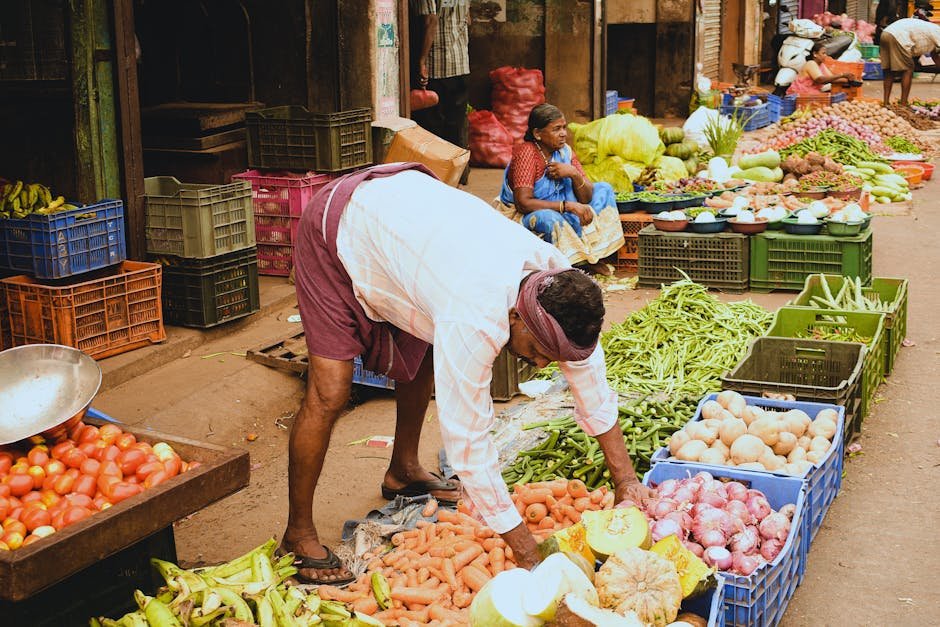
However, the path forward isn’t without obstacles. There are longstanding trade barriers and tariffs that could complicate negotiations, along with the tailored demands of Indian consumers. For instance, American products such as soybeans, corn, and wheat stand to benefit, but they must align with India’s stringent food safety and quality regulations.
Trade Talks: Opportunity or Illusion?
Many in the agricultural sector are cheering for these potential trade agreements, proclaiming them as a golden opportunity. But let’s not kid ourselves—there’s a fine line between optimism and naivety. Who really stands to gain from this? While U.S. farmers may see a welcome uptick in demand, India is also known for its strong agricultural self-sufficiency. This tension raises critical questions: Will India import more, or will it simply double down on supporting its local farmers?
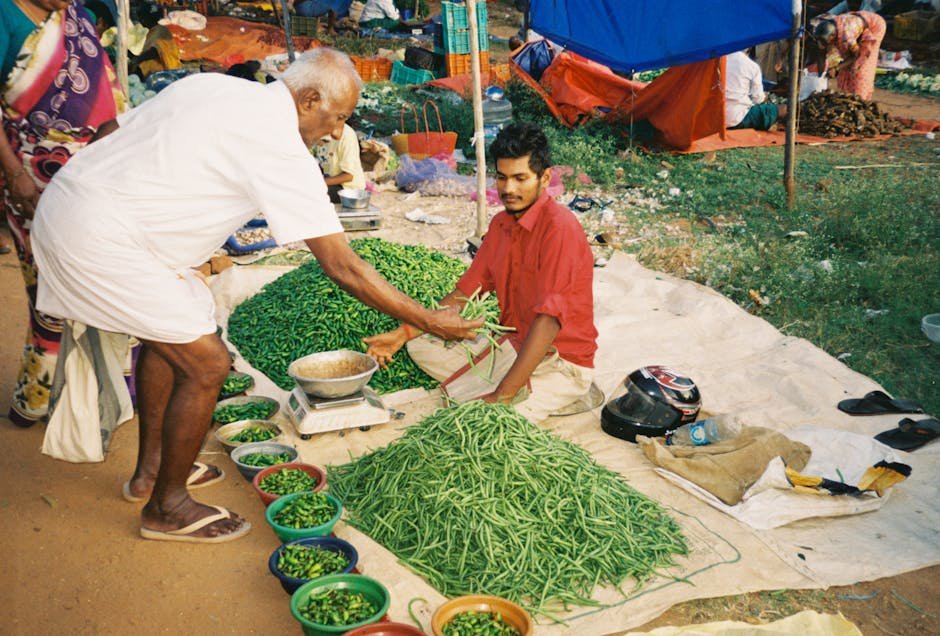
Furthermore, the environmental implications of increased agricultural exports cannot be ignored. The U.S. must grapple with its own sustainability challenges while engaging in these negotiations. If we push exports without considering environmental impacts, we risk repeating the mistakes of the past—over-extraction and depletion of resources. When it comes to the intricate dance of trade in South Asia, who’s really leading, and who’s just following?
The mainstream narrative often sidelines these complexities, painting a rosy picture of American agriculture cashing in on Indian markets. But beneath this optimistic facade lies the potential for backlash from local farmers and consumers in India who view imports as a threat to their livelihoods. We must tread carefully; trade agreements should benefit all stakeholders, not favor one at the expense of another.
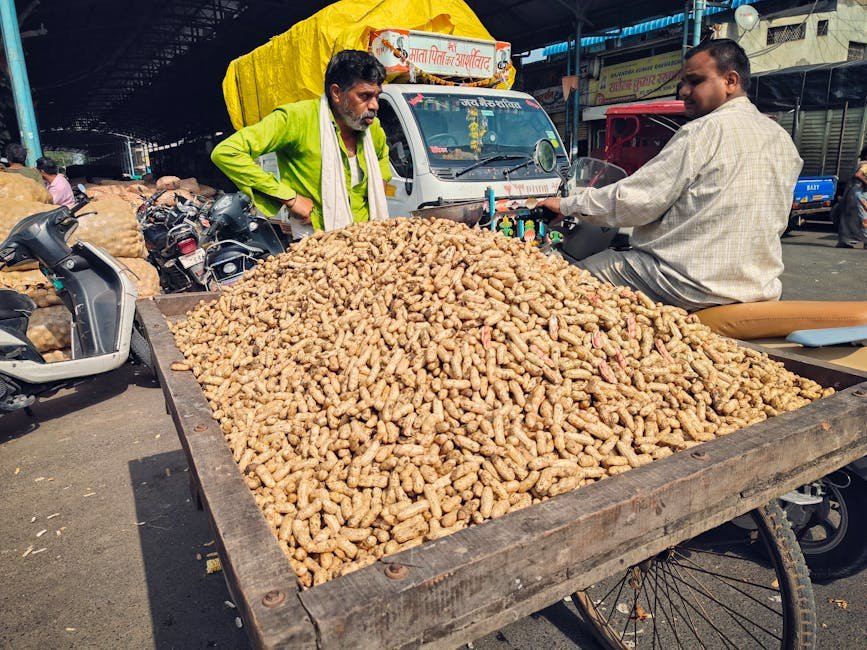
As discussions unfold and negotiators sit at the table, the question looms larger: Will this agreement be a robust gateway for U.S. agricultural exports, or will it become just another footnote in the saga of trade relations? For all the power players involved, the stakes couldn’t be higher.
In the end, the fate of U.S. agricultural exports in South Asia may very well depend on how we handle the negotiations. Will we emerge as champions of cooperation, or will we be left with nothing more than empty promises? Only time will tell, but the potential-rich land of India is waiting—with a cautious eye on who will plant the seeds of prosperity for both nations.
Source: Google — South Asia