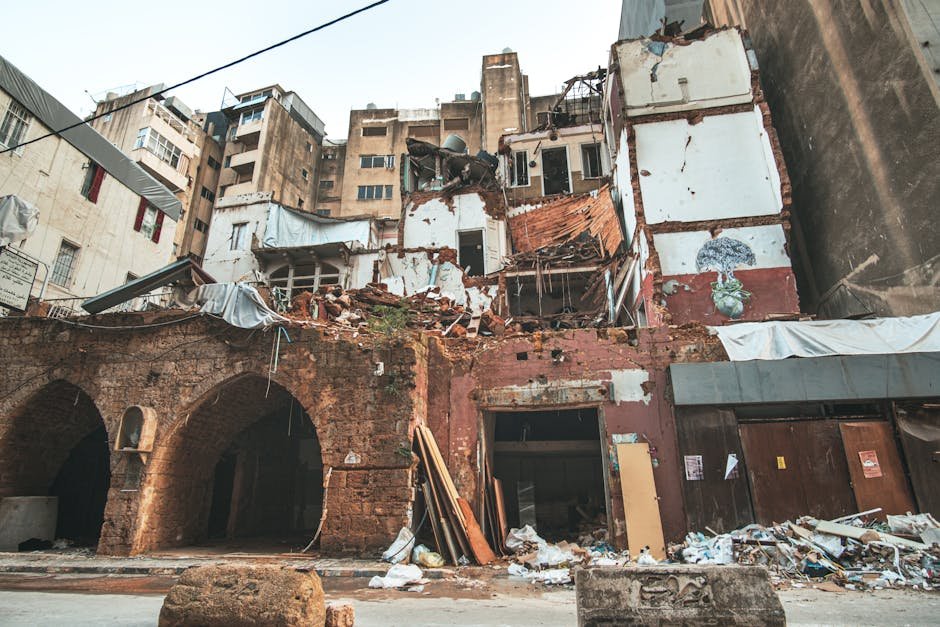
The Middle East is once again a tinderbox, and Israel’s latest ‘targeted strike’ in the heart of Lebanese capital Beirut is a stark reminder that the flames of conflict are never truly extinguished. Are we witnessing the beginning of a new chapter in regional hostilities, or simply an escalation that will lead nowhere?
According to BBC reports, Israel has launched a precision strike in Beirut, targeting what they describe as militant positions. This escalation comes amid heightened tensions following a series of skirmishes along the Israel-Lebanon border, raising serious questions about the stability of the region.
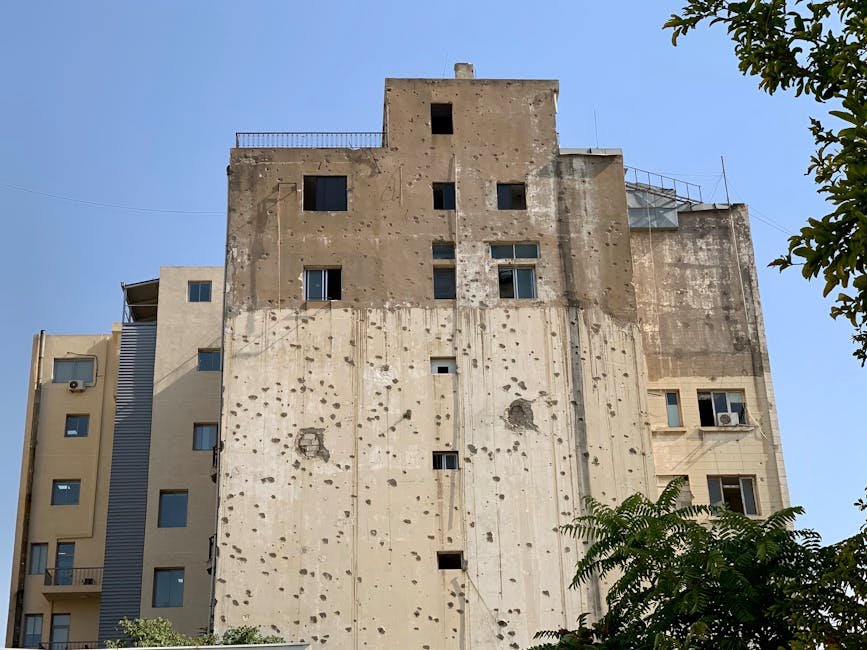
The Middle East: A Volatile Powder Keg
The Middle East has always been a complex puzzle, but the recent strike is a direct continuation of long-standing hostilities between Israel and Hezbollah, the Lebanese militant group. The roots of this conflict run deep, fueled by a toxic mix of territorial disputes, sectarian divides, and international interests. This latest attack doesn’t exist in a vacuum; it’s the product of decades of animosity and failed diplomacy that have left both sides wary and defensive.
In many ways, Israel’s operation seems like a calculated move, aiming to assert dominance and send a clear message to Hezbollah. Yet, it also risks inflaming anti-Israel sentiments across the region, potentially igniting protests and retaliatory actions. The Lebanese government, already struggling with internal crises and a collapsed economy, finds itself in a precarious position. Their ability to respond effectively, both to their own citizens and to the international community, is severely limited.
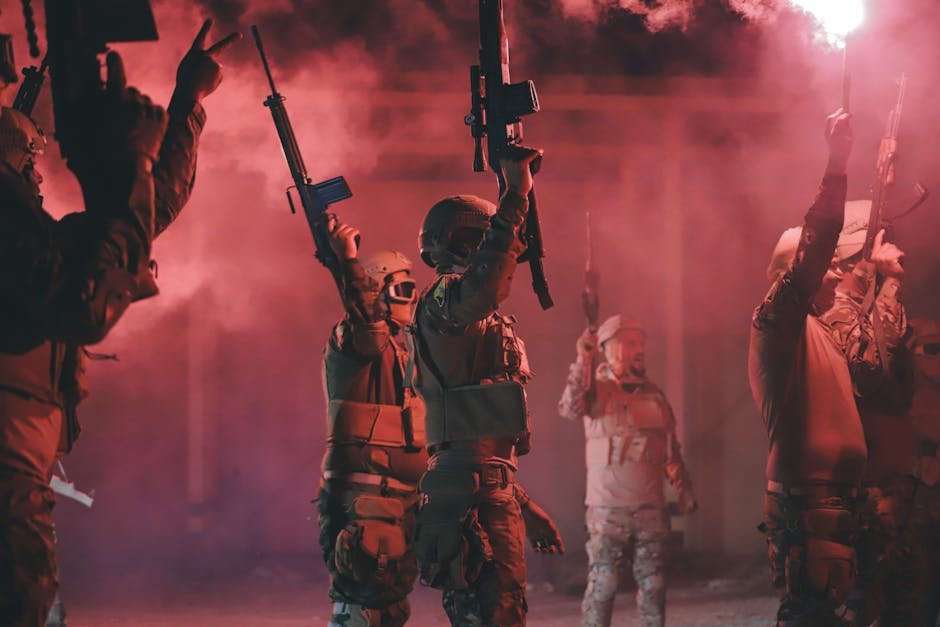
An Escalating Standoff with High Stakes
So, who wins in this latest chess match in the Middle East? On the surface, Israel may consider itself the victor, showcasing its military prowess. However, victory in military terms rarely translates into long-term peace. The attack could further galvanize Hezbollah and its supporters, uniting them against a common enemy in Israel, which would lead to more violence and instability in the region.
On the flip side, the global powers watching from the sidelines — primarily the U.S., Russia, and EU nations — remain largely silent. Their failure to intervene meaningfully in the past has led to a dangerous status quo that benefits no one except the extremists looking to exploit the chaos. As a result, the risk of a broader conflict grows with every strike, threatening to involve more players and complicate an already convoluted scenario.
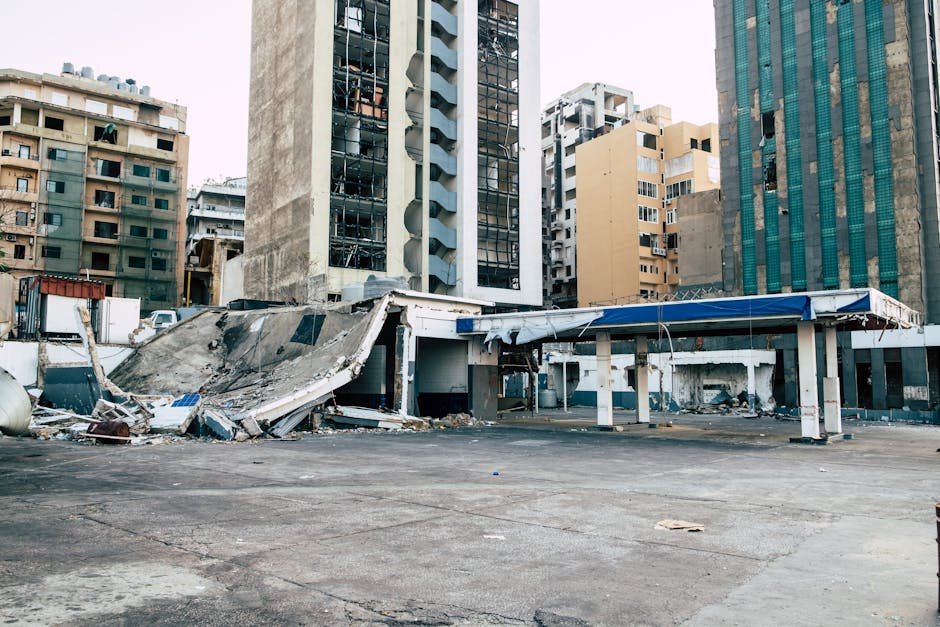
The mainstream narrative often simplifies these conflicts into ‘good versus evil’ boxes, but this dangerous oversimplification ignores the deeper issues at play. Economic despair, political incompetence, and a lack of genuine dialogue perpetuate this cycle of violence. Have we learned nothing from history? More military action will not produce the desired results; it will merely deepen the wounds that need healing.
In conclusion, while Israel’s targeted strike may achieve short-term tactical advantages, it simultaneously places the entire region on a knife’s edge. The Middle East is a reminder that peace is a fragile thing, easily shattered by the weight of historical grievances and nationalistic fervor. Will we see a return to dialogue, or are we destined to repeat the same tragic mistakes? Only time will tell, but the stakes have never been higher.
Source: Google — Middle East