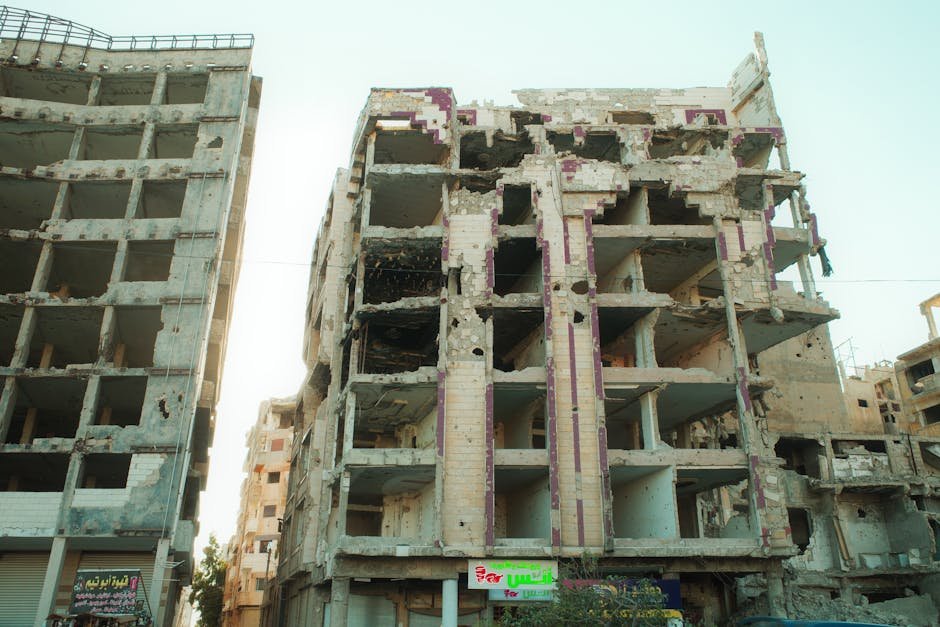
The prospect of peace in the Middle East is a tantalizing fantasy, but it seems that every time we get close, chaos reigns supreme. Recent hopes for a diplomatic breakthrough have quickly been overshadowed by a new wave of U.S. airstrikes in the region, according to CNBC. This sudden escalation raises a crucial question: will we ever truly see stability in the Middle East?
According to CNBC, oil prices have tumbled in response to easing tensions amid perceived peace talks involving Iran. However, this brief glimmer of hope was shattered when the U.S. launched airstrikes in the region, underscoring the fragility of any agreements. It’s a stark reminder that the Middle East remains a volatile battleground where diplomatic gestures are often undermined by military actions.
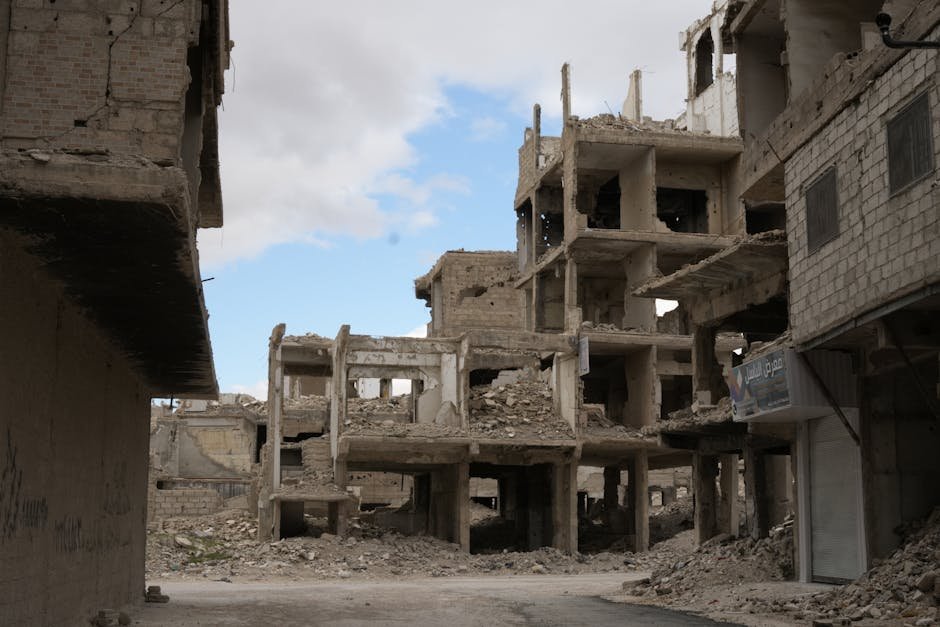
The Fragility of Peace in the Middle East
This situation matters now more than ever. The Middle East has been locked in cycles of conflict for decades, with powers like the U.S. and Iran continuously jockeying for influence. The recent airstrikes highlight the complexities of U.S. military involvement in the region. They come at a time when many were beginning to think that peace might finally be within reach. But, as always, the specter of war looms large, raising skepticism about the efficacy of diplomatic solutions.
The players in this geopolitical chess game are well known: the U.S. seeks to curb Iranian influence, while Iran remains steadfast in its desire for regional dominance. Meanwhile, other countries in the Middle East watch with bated breath, knowing they could be swept into the chaos at any moment. The interests of these nations intertwine, often leading to a tangled web where peace feels like an impossible dream.
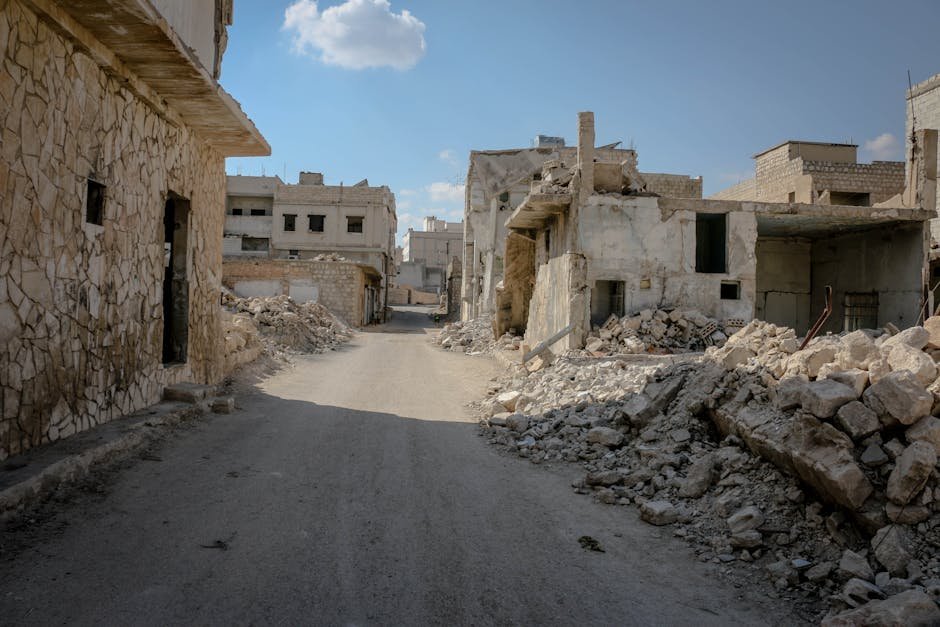
Military Actions vs. Diplomatic Prowess
So, who wins and who loses in this latest chapter of Middle Eastern turmoil? Clearly, the military-industrial complex is the biggest beneficiary of this ongoing conflict. Every airstrike fuels the narrative that violence is necessary to secure peace, a cycle that promises more profits for defense contractors while leaving civilians to bear the brunt of the fallout.
On the other hand, the average citizen in the Middle East stands to lose the most. They are trapped in a perpetual state of uncertainty, where each potential peace accord is undermined by the very forces meant to secure their safety. The mainstream media often glosses over the humanitarian implications, focusing instead on the geopolitical chess moves without delving into the human cost.
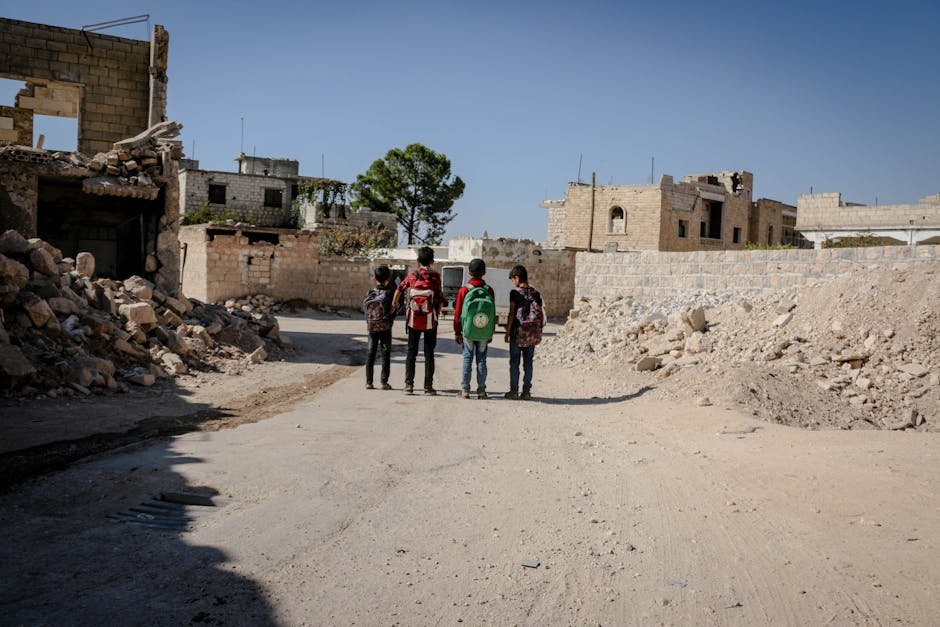
This situation is a disheartening dance between hope and despair, and it’s clear that the Middle East remains far from a peaceful resolution. The threat of renewed violence could easily overshadow any progress made in diplomatic discussions.
In conclusion, the Middle East stands at a crossroads, teetering precariously between hope for peace and the reality of military intervention. As long as the cycle of violence continues, we will remain caught in this tragic loop. Will we ever learn that pursuing peace is a far better strategy than launching airstrikes? Or are we destined to repeat the same mistakes, letting dreams of peace in the Middle East slip further away?
Source: Google — Middle East