
The Middle East is once again a simmering cauldron of conflict, and this time, it seems Iran is stirring the pot. The U.S. military has accused Iran of violating a ceasefire after a missile attack targeted Kuwait, raising alarms about escalating tensions in the region. According to PBS, the attack has left many wondering whether peace is truly possible, or just an illusion we all cling to amidst the chaos.
The Recent Missile Attack in the Middle East
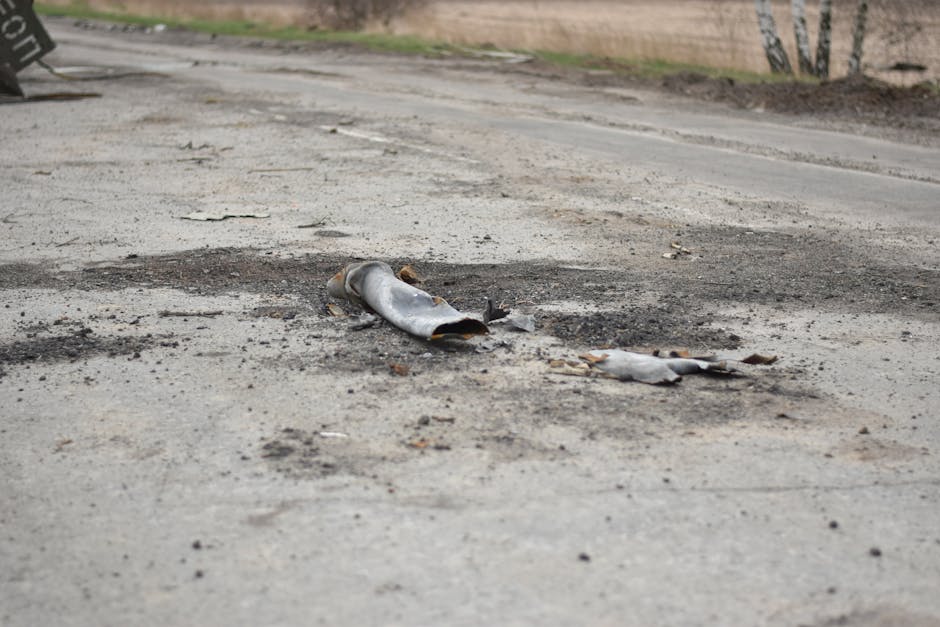
The U.S. response comes on the heels of a missile barrage directed at Kuwait, which reportedly bears the fingerprints of Iranian operatives. This act has not only put Kuwait’s security on high alert but also raises serious questions about Iran’s commitment to any form of peace within the Middle East. The region has long been a chessboard for geopolitical maneuvers, and every missile fired serves as a reminder of the stakes involved. The complexities here are multi-layered, involving local factions, global powers, and historical grievances that date back decades.
The Stakes in the Middle East
So, what does all this mean? For one, it reveals the fragility of ceasefire agreements in a region fraught with historical animosities and modern rivalries. The players are not just Iran and Kuwait; the U.S. is deeply entrenched, and its military presence is a double-edged sword—offering security while also inflaming local sentiments. If the U.S. chooses to escalate its involvement, it could lead to a broader conflict, one that could envelop the entire Middle East and potentially drag in allies and adversaries alike.
On the other hand, Iran’s provocations could further isolate it on the international stage. The Iranian regime may believe that aggressive posturing serves its interests, but it risks invoking a united front against its ambitions. In the end, it appears that there are no clear winners here—only a cycle of violence that perpetuates itself.
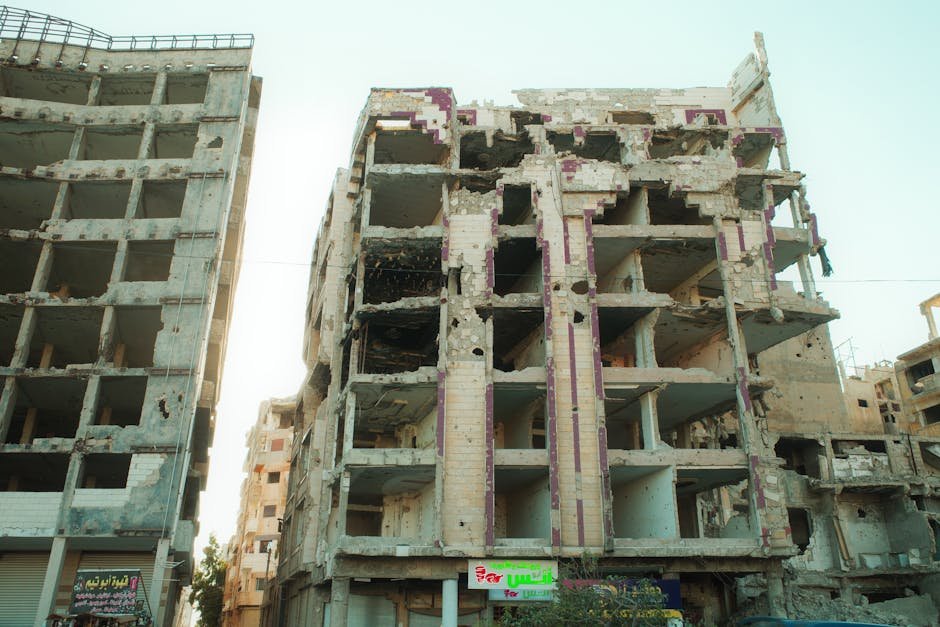
Critics will argue that Iran’s actions are just a response to decades of U.S. influence in the region. They’ll point to the numerous military interventions that have shaped the landscape of the Middle East and suggest that any extremist action is simply a last resort in the face of overwhelming pressure. But as missiles rain down, it becomes increasingly difficult to accept this justification without acknowledging the heavy toll it takes on innocent lives.
In this tightly wound tapestry of conflict, peace remains an elusive thread. The Middle East continues to be a volatile arena where every decision has far-reaching consequences. Diplomacy is desperately needed, yet history shows that such efforts are often sabotaged by the very players who stand to gain the most from a peaceful resolution.
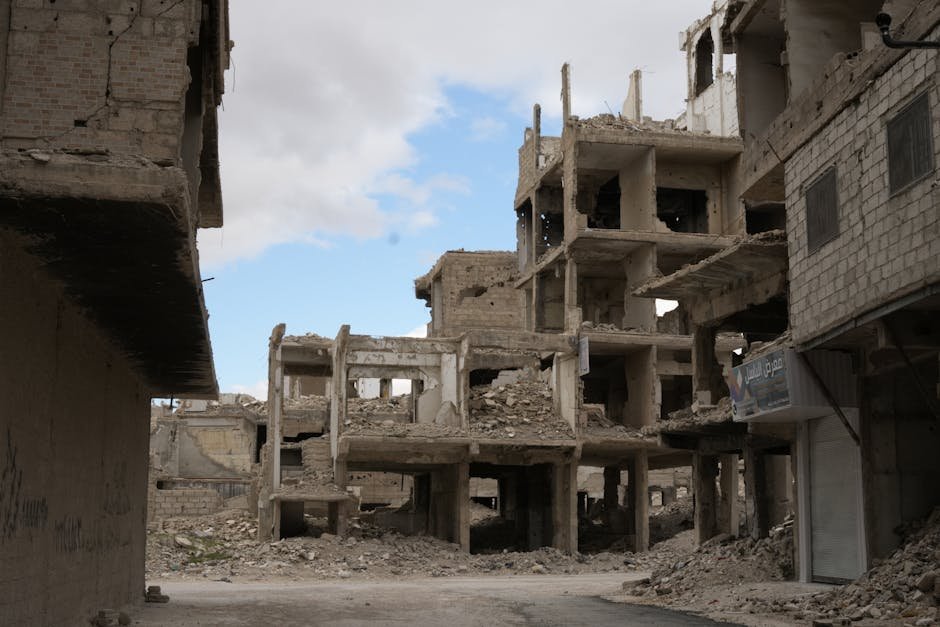
The question lingers: can we ever untangle the web of mistrust and violence in the Middle East, or are we doomed to repeat the same mistakes? As tensions rise and missiles fly, one thing is certain—this is a precarious moment that demands our attention. The world must watch closely, for the outcome could redefine the future of the Middle East and beyond.
Source: Google — Middle East