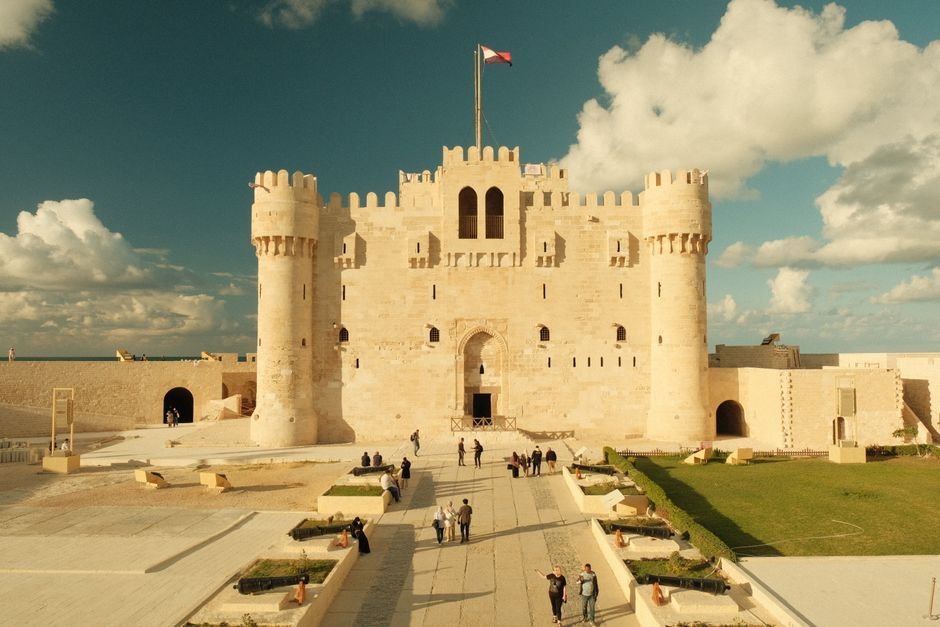
Israel’s latest military move could very well signal a new chapter in its controversial history. The recent seizure of a medieval castle as part of its expanding offensive in southern Lebanon not only raises eyebrows but also deepens the quagmire of conflict in the Middle East. What’s next? A push for more territory under the guise of heritage preservation?
According to NPR, Israel has taken control of a 12th-century castle amid its ongoing military operations against Hezbollah in southern Lebanon. This aggressive action is part of a larger offensive that has been intensifying in recent weeks.
Context: Historical and Strategic Stakes in the Middle East
The significance of this castle seizure is not only about the historic architecture that has stood the test of time. It’s emblematic of a broader struggle over territory and control that has characterized the Israeli-Lebanese conflict for decades. Israel’s offensive has been fueled by persistent tensions with Hezbollah, the Iranian-backed militant group that has held sway in southern Lebanon since the early 2000s. In the backdrop, we also see the complex interplay of regional power dynamics, shaped by both local and foreign interests. Just as the Middle East has always been a chessboard for superpowers, this castle saga turns into yet another pawn in a game that never seems to end.
But here’s the crux: the timing of this offensive is particularly critical. With ongoing negotiations in the region and a fragile balance of power, Israel’s military actions could send shockwaves not just through Lebanon but throughout the Middle East. While some might argue that securing strategic locations is crucial for national security, others see it as an exacerbate to tensions that have long been simmering.
Hot Take: Who Wins When History is Weaponized?
The real question is: who actually wins when a medieval castle becomes a bargaining chip in modern warfare? On one hand, Israel may feel justified in its aggressive stance, claiming it’s acting in the name of national security. But this sort of escalatory behavior could lead to significant backlash both regionally and internationally. Are they really prepared for the fallout? As the Middle East teeters on the brink of further conflict, such high-stakes moves can lead to unintended consequences—a cycle of violence and retaliation that no one seems to want to break.
Interestingly, the mainstream narrative tends to oversimplify the issues at play. We often hear about Israel’s right to defend itself, yet we rarely discuss the implications of its actions in terms of cultural heritage and historical significance. The castle is not just a relic; it represents a piece of history for the Lebanese people, and its seizure can be seen as another form of colonialism dressed in military might.
As the dust settles, the question remains: will this castle become a symbol of resistance, or does it merely set the stage for more territorial grabs under the guise of military necessity? The ghosts of these ancient stones may very well haunt those who seek to erase the past for the sake of the present.
In a region that has seen too much bloodshed and too many broken promises, Israel’s actions serve as a stark reminder that history often repeats itself—sometimes with dire consequences. As we look ahead to what Monday might bring for markets and diplomacy, one can’t help but wonder if this medieval stronghold will be the catalyst for further unrest in the already fractured tapestry of the Middle East.
Source: Google — Middle East