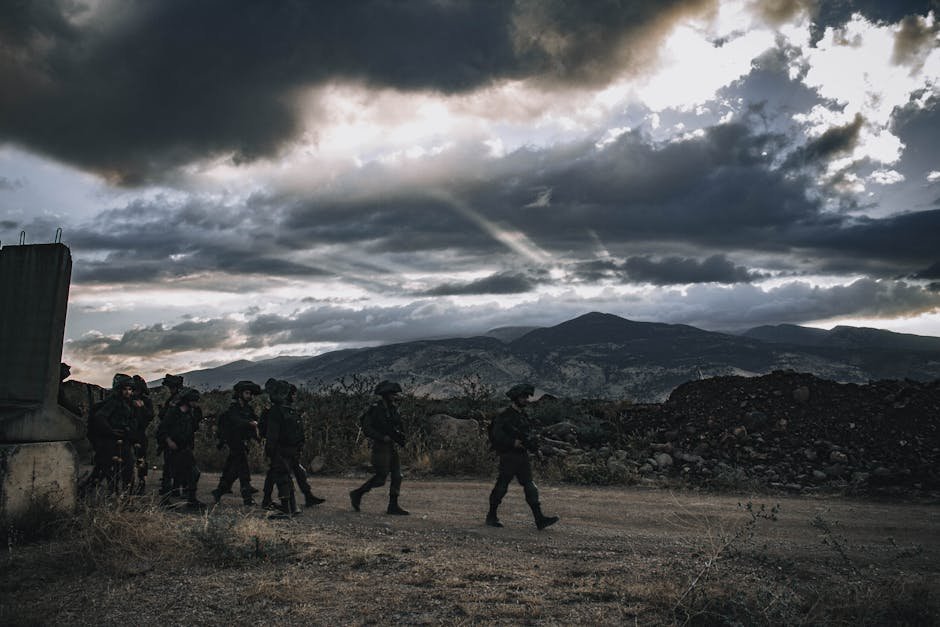
The Middle East is a cauldron of conflict, and on day 93 of the Iran war, the simmering tensions are boiling over. Can we really afford to ignore the implications as Israel expands its invasion into Lebanon while Trump insists he won’t “rush” a deal? It’s a perilous game of chicken, and the stakes couldn’t be higher.
According to Al Jazeera, Israel has intensified its military operations in Southern Lebanon amid ongoing fighting with Hezbollah, while former President Trump remains doggedly slow on negotiations regarding Iran. These developments signal a deepening crisis that affects not only regional players but the entire global community.
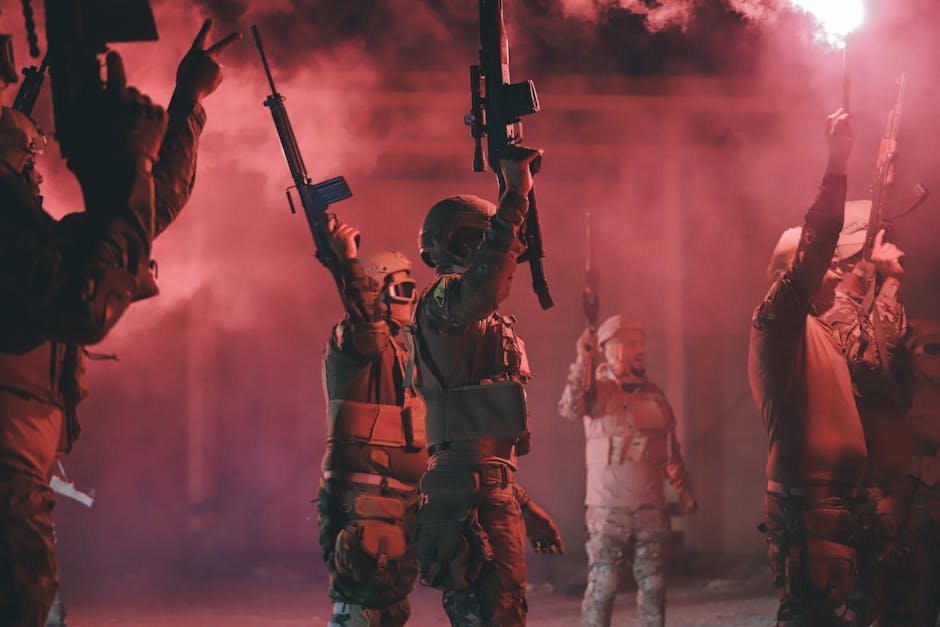
The Stakes in the Middle East
This moment in the Middle East is critical. The Iranian war has already transformed the geopolitical landscape after 93 days of escalating conflict, and Israel’s aggressive moves only exacerbate the situation. Trump’s reluctance to engage quickly could be interpreted as a strategic pause, but it risks ceding the narrative to Iran and its allies. Meanwhile, Hezbollah is not sitting idly by; its actions may have grave repercussions for the already fragile state of Lebanon.
What’s more, the conflict’s intertwining threads—military, economic, and diplomatic—make it all the more complex. Countries like Saudi Arabia, Syria, and Turkey are watching closely, each with their vested interests. The potential for this conflict to spiral out of control is alarming, and we must question whether a ‘calculated’ approach from power players like Trump will yield any solid results, or if it merely prolongs the agony.
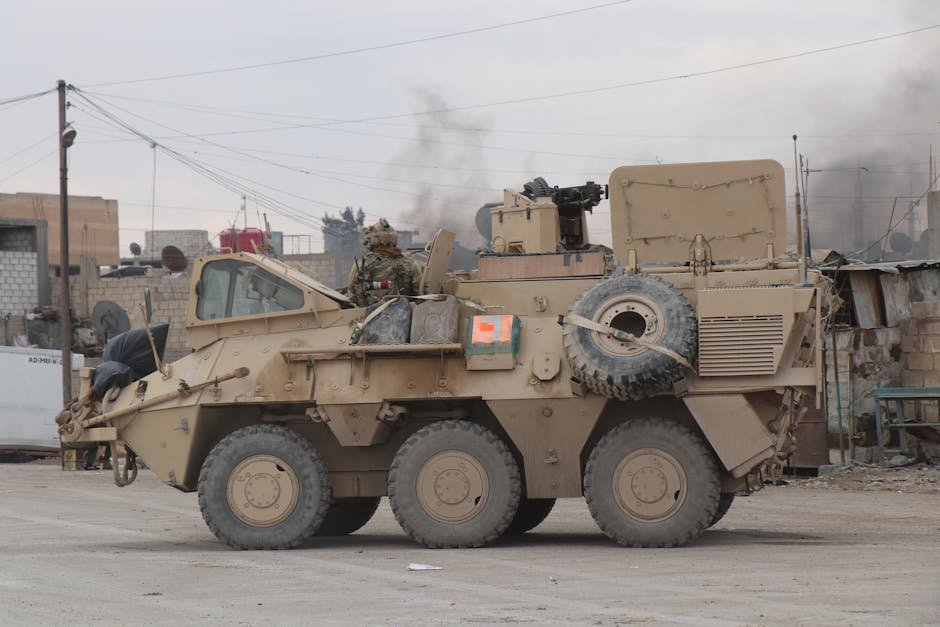
Who Wins and Who Loses in the Middle East?
The landscape is a battleground of win-lose scenarios. On one side, Israel, emboldened by perceived American support, could see military gains in Lebanon but at a steep cost to its international standing and security back home. On the other hand, Iran may rally its allies and use the continued strife to bolster its influence across the region. This war could either galvanize the opposing forces or fracture the fragile alliances held together by mutual fear.
The mainstream narrative often underestimates the significance of this standoff. It’s not just about military engagement; it’s about diplomacy, economic leverage, and the future of regional powers. The absence of immediate action from the U.S. could embolden Iran to make bolder moves, radically altering the balance of power in the Middle East.
As the week unfolds, we can expect markets to react nervously to this uncertainty. Investors should keep a close eye on these developments, as any miscalculation could send ripples through global markets—especially those tied to oil and defense sectors. The potential for escalation looms large, but so does the opportunity for diplomatic breakthroughs.
As we ponder what comes next in the Middle East, one question persists: Who will take the first step towards peace, and will anyone be brave enough to seize the moment before it slips into chaos? The clock is ticking, and the implications are staggering.
Source: Google — Middle East