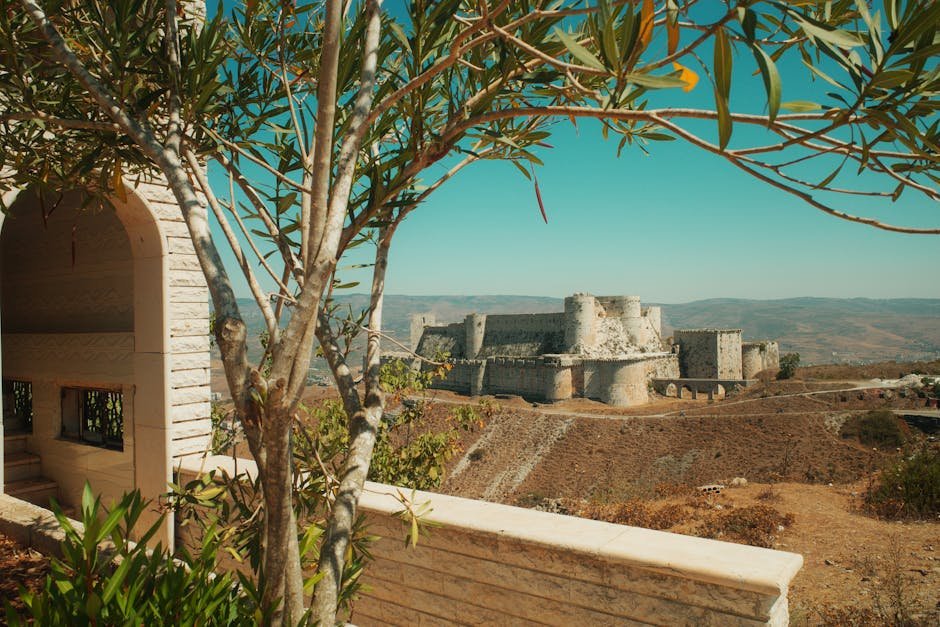
The Middle East has a knack for turning historical landmarks into battlegrounds, and the latest incursion by Israel into southern Lebanon is no exception. In a move that will reverberate through diplomatic channels and financial markets alike, Israel has captured a strategically significant Crusader-built castle, deepening tensions in a region already fraught with chaos.
According to CNN, this operation marks a notable escalation in military actions in southern Lebanon, signaling a potentially transformative shift in the power dynamics of the Middle East. The castle, a relic from the Crusades, is not just a historical site but a tactical asset that could reshape the operational landscape of the Israeli Defense Forces.
The Stakes in the Middle East
This incursion doesn’t happen in a vacuum. Rising tensions between Israel and its neighbors have been brewing for years, exacerbated by ongoing conflicts, territorial disputes, and the complex legacy of colonialism. The players in this drama are well-established: Israel, Hezbollah, and a host of regional actors, each with their own interests and agendas. As Israel asserts its dominance, it sends a clear message to both friends and foes that it will not back down willingly.
Currently, the stakes couldn’t be higher—not just for the countries involved, but for the global community watching closely. The capture of this castle could bolster Israeli morale and military capabilities while simultaneously inciting retaliatory measures from Hezbollah and potentially igniting broader regional conflict. The ramifications extend beyond the battlefield into the realm of diplomacy and markets, where uncertainty breeds volatility.
Hot Take: Consequences of the Incursion
So who emerges victorious in this game of geopolitical chess? On the surface, it appears Israel’s military may enjoy a short-term advantage. However, this capture could become a double-edged sword. The risk of retaliation from Hezbollah is tangible, and such an escalation could drive more countries into the fray, including Iran, which backs Hezbollah.
The mainstream media often glosses over these complexities, focusing instead on immediate military triumphs without considering the long-term implications. A victory here could provoke a backlash that destabilizes the entire Middle East further. Investors and policymakers should brace for potential market turbulence as the world holds its breath, waiting for the next move.
As we look ahead, the Middle East remains a cauldron of tension ripe for unexpected twists. The capture of a historic castle by Israel is just one piece of a larger puzzle that continues to evolve. What happens next will depend not only on military tactics but also on political calculations that could drastically affect global alliances and financial markets. One thing is certain: the world will be watching closely, and the ramifications could be far-reaching. Will this strategic incursion lead to a new chapter in Middle Eastern geopolitics, or will it spiral into another chapter of endless conflict? Only time will tell.
Source: Google — Middle East