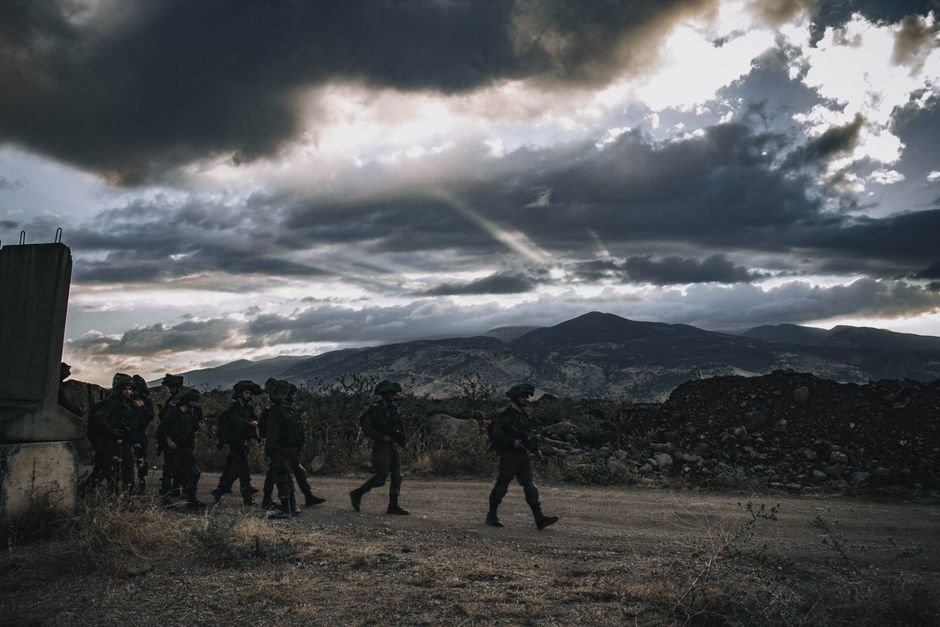
The Middle East is once again on the brink, as hostilities flare anew between Israel and Iran. The recent confirmation from the Israel Defense Forces (IDF) regarding their strikes on targets in western and central Iran is not just another chapter in a long-standing saga; it’s a bold statement that could reshape the regional landscape.
According to The Jerusalem Post, the IDF reported that its forces targeted Iranian sites, which they claimed were tied to military operations and activities that threaten Israel. This escalation is significant, particularly as it reflects Israel’s ongoing strategy to counter what it perceives as existential threats from its neighbors, especially Iran.
The Middle East’s Fragile Balance
This aggressive move by Israel comes amidst a backdrop of rising tensions in the Middle East. For years, Iran has been supporting proxy groups across the region, fostering a network of militias that poses a constant threat to Israeli security. The recent strikes indicate that Israel is willing to extend its operations beyond the confines of its borders, sending a clear message that it will not tolerate threats to its sovereignty. With the 2026 geopolitical climate heating up, the stakes are incredibly high.
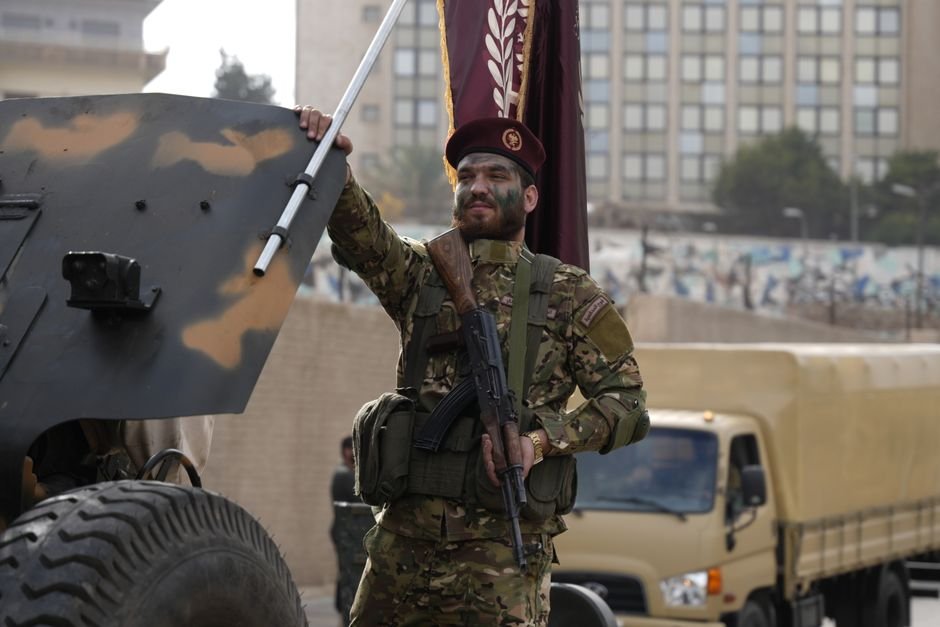
The players in this dangerous game are well-known: Israel, Iran, and a host of regional actors, each with their own agendas. While some might argue that Israel is justified in its actions as a means of self-defense, the reality is that military strikes against a sovereign nation are fraught with potential blowback. Iran is not North Korea; it has allies in places like Hezbollah in Lebanon and various militias in Iraq and Syria that could retaliate forcefully.
An Evolving Middle East Landscape
The question now is who stands to win and who risks losing in this unfolding drama. Israel’s military might may give it a short-term advantage, but the long-term consequences could be dire. Iran’s allies may see this as an opportunity to consolidate power and gain support from their bases, framing Israel’s actions as unwarranted aggression. The mainstream media often glosses over the potential for regional escalation, focusing instead on the immediate military achievements. However, what happens when Iran decides to strike back?
As we dive deeper into the week, the implications of this military action will ripple through the political spheres of the Middle East and beyond. The U.S., currently navigating a precarious diplomatic relationship with both Israel and Iran, will likely feel pressure from both sides. The Biden administration has sought to maintain a delicate balance, but with Israel pushing the envelope, that balance is precarious at best.
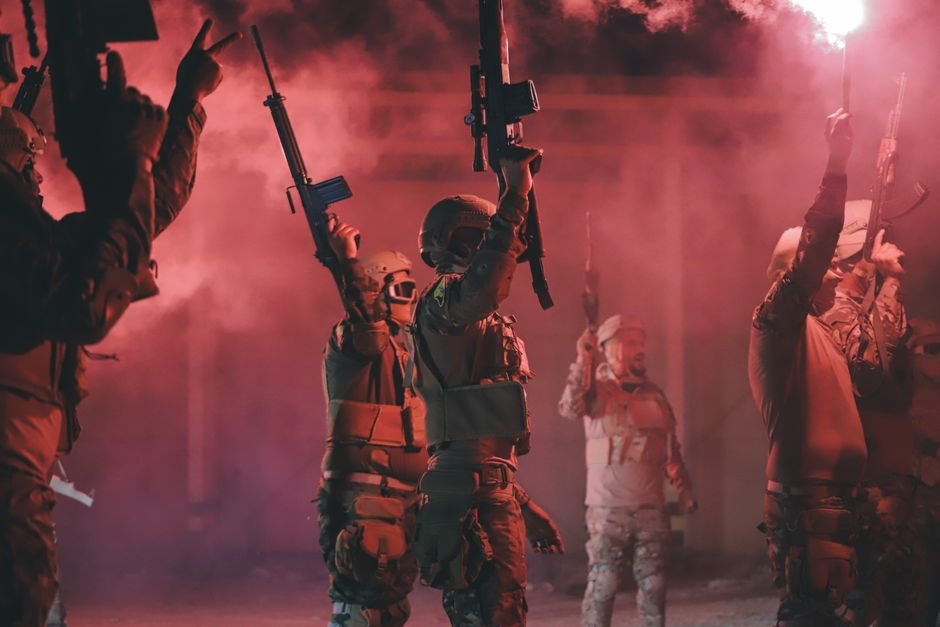
In conclusion, the Middle East remains a powder keg, and actions like those taken by the IDF are fanning the flames. The question isn’t just about whether Israel can effectively neutralize threats; it’s whether this strategy will lead to a larger war or ultimately strengthen Iran’s resolve. The specter of conflict looms large, and as the week unfolds, the world will be watching closely. What will be the tipping point in this volatile region? One thing is for sure: the Middle East will not remain quiet for long.
Source: Google — Middle East