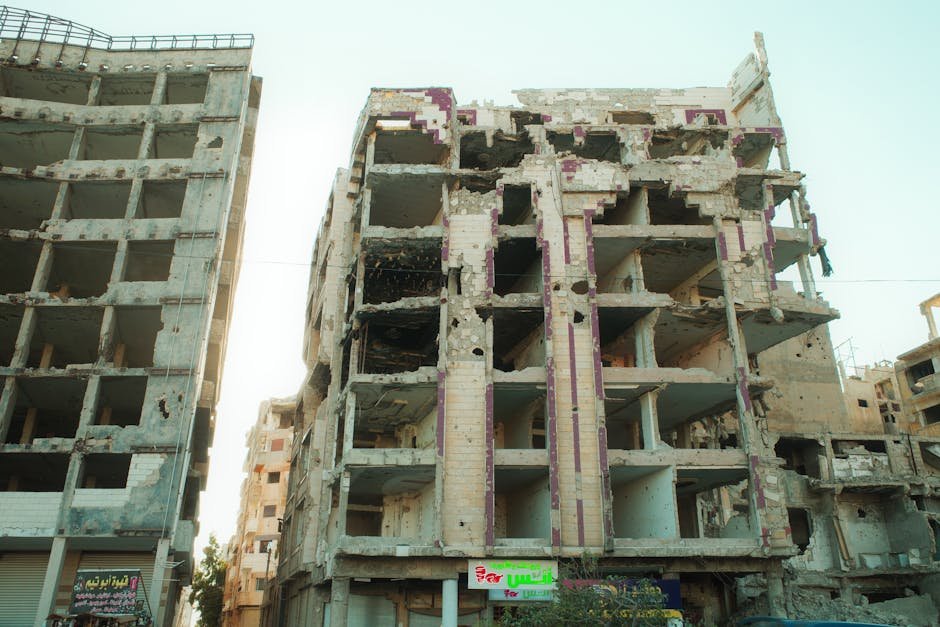
The ongoing chaos in the Middle East proves once again that the most dangerous players are often those who blend seamlessly into the fabric of a society. A Palestinian man with Israeli citizenship opened fire in central Israel, killing one person and injuring five, according to PBS. This incident highlights a deeply unsettling truth: identities are not always what they seem, and the divisions that fracture society can strike even in its most integrated layers.
Understanding the Context in the Middle East
This tragedy isn’t merely an isolated act of violence; it reflects the simmering tensions that have long plagued the region. The shooter, whose motivations remain unclear, reminds us that even citizens of Israel can harbor extreme sentiments rooted in the ongoing Israeli-Palestinian conflict. Events like these do not occur in a vacuum; they emerge from decades of unrest, oppression, and failed negotiations. Each gunshot resonates not only as a violent act but as a loud, painful reminder of the complexities of identity in the Middle East.
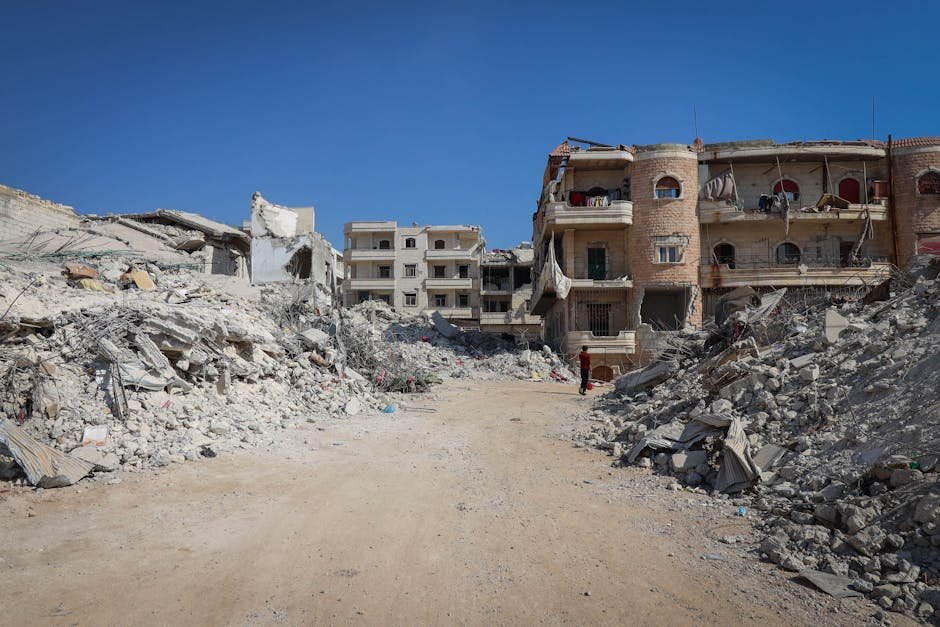
The backdrop of this shooting is critical. The broader geopolitical climate has been rife with tension and distrust, escalating in recent years. The rise of radical ideologies among frustrated populations and the perceived neglect of peace processes have created fertile ground for violence. Such incidents threaten to create a vicious cycle of retaliation and despair, pushing further away the hope for a peaceful coexistence between Israelis and Palestinians.
The Stakes of Violence in the Middle East
This latest shooting is a double-edged sword. On one hand, it fuels the narrative of insecurity within Israel, prompting calls for stricter security measures and renewed vigilance. The Israeli administration, already grappling with ongoing protests against the government’s judicial reforms, now faces an additional layer of complexity. Who benefits from this unrest? Radical elements on both sides may see this as an opportunity to further their agendas, stoking more division and conflict.
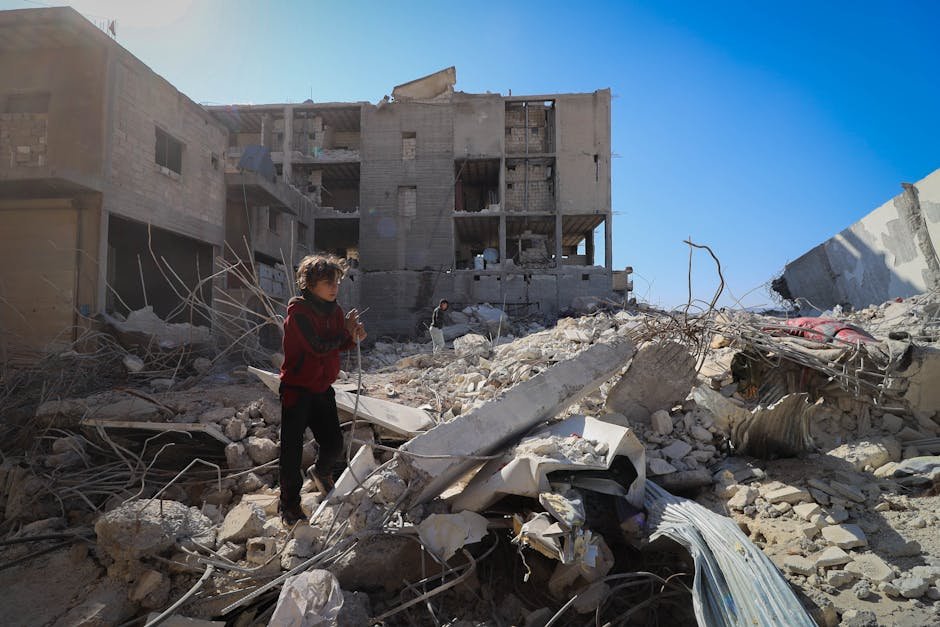
On the other hand, the immediate victims of this tragedy are individuals caught in the crossfire of a political quagmire. The mainstream media often overlooks the human cost of such incidents, focusing instead on the geopolitical ramifications. Yet, every life lost or affected is a story unto itself, a personal tragedy that echoes the larger narrative of conflict.
Moreover, we must consider what happens next. Can the Israeli government respond without intensifying existing tensions? Will there be backlash against Palestinians or renewed calls for militarized responses? If history is any guide, the answer is complicated and fraught with peril. The cycle of violence shows no signs of abating, and as long as the underlying issues remain unresolved, we can expect more tragedies to unfold.
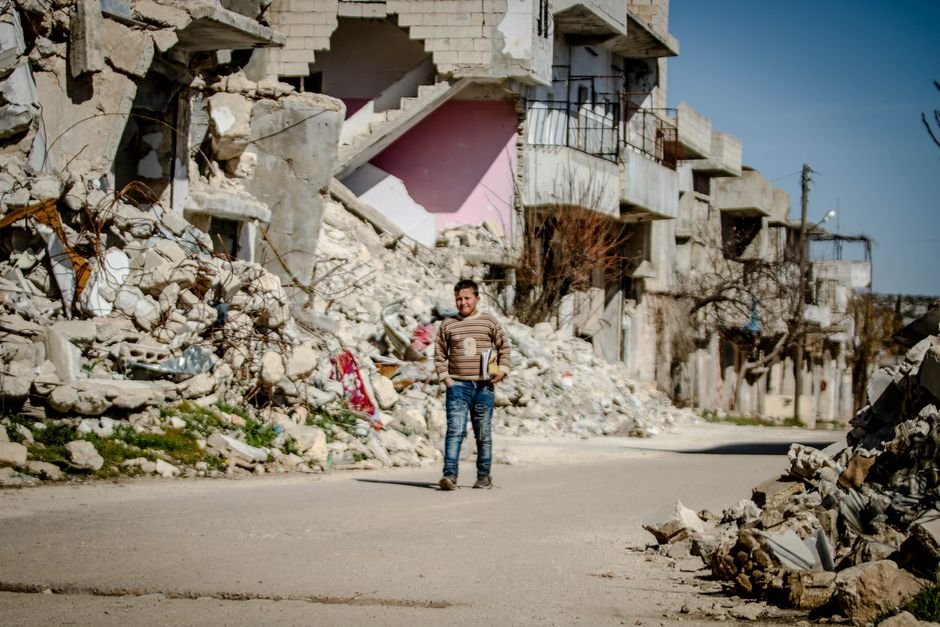
The Middle East is a tinderbox, and every spark threatens to ignite a larger fire. As we reflect on this latest incident, we must ask ourselves: Will we ever learn from the past, or are we doomed to repeat it? If we cannot find a way to heal these deep-seated wounds, we may be witnessing not just an act of violence, but a continued descent into chaos that could reshape the region for generations to come.
Source: Google — Middle East