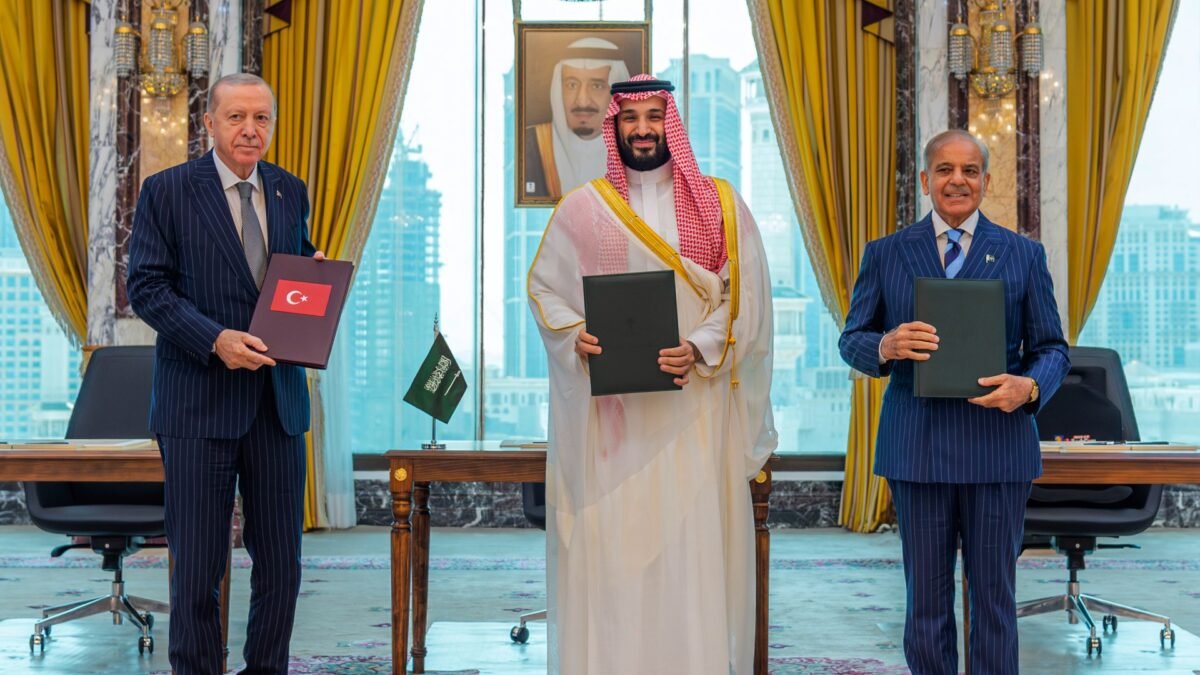
Turkiye’s parliament just turned a diplomatic sketch into a full‑blown runway show, ratifying a defence pact that ties the nation to Mecca’s volatile security scene. The move feels less like a quiet vote and more like a bold statement in a world that still dresses power in secrecy.
According to Al Jazeera, the Turkish Grand National Assembly approved the Mecca defence agreement on Friday, giving legal backing to a military partnership with Saudi Arabia. The same report notes that the pact paves the way for Turkiye to support Saudi operations against the Houthi rebels in Yemen.
The agreement, while terse on details, signals that Turkish forces could be deployed to protect the holy city and its surrounding airspace. In effect, Turkiye is signing up for a conflict that has already claimed tens of thousands of lives on both sides.
Turkiye’s strategic runway to the Middle East
Erdogan’s administration has long fashioned itself as a sartorially bold alternative to the West, draping its foreign policy in the colors of independence and regional ambition. By ratifying this deal, Turkiye steps onto a stage where Saudi oil wealth meets military muscle, hoping the ensemble fits the new regional aesthetic.
Historically, Turkey and Saudi Arabia have shared a complicated wardrobe of cooperation and rivalry, swapping oil‑laden invitations for Turkish construction crews. The latest pact adds a militarised accessory, a belt of artillery and air support that could tighten the bond between Ankara and Riyadh.
The Houthi insurgency, backed by Iran, has turned Yemen into a protracted battlefield, prompting Saudi Arabia to seek fresh allies for its counter‑insurgency campaign. Turkiye’s entry offers Riyadh a fresh set of boots and a new silhouette of support that could shift the balance of power.

Iran watches the alliance like a fashion critic eyeing a rival’s runway, fearing that Turkiye’s involvement could further isolate Tehran in the Gulf’s ever‑shifting style hierarchy. The broader regional tableau now includes a Turkish flair that may redefine the aesthetics of power.
The fashion metaphor isn’t frivolous; defence contracts have become the haute couture of national industry, with Turkish drones and missiles displayed like the latest limited‑edition sneakers. By signing the Mecca deal, Turkiye is essentially modelling its military hardware on the world’s most watched catwalk.
The style of power plays in the Gulf
Who truly wins when Turkiye dons the mantle of Saudi defender? Riyadh gains a reliable supplier of combat equipment, while Turkiye harvests influence, market access, and a showcase for its defence designers. The partnership is a win‑win that could translate into lucrative export orders and a boost to Turkey’s defence‑fashion brand.
Conversely, the losers are those who thrive on the current chaos: Iran’s regional foothold shrinks, and Yemeni civilians risk deeper entanglement in a conflict that already feels like a never‑ending fashion disaster. Domestic critics in Turkiye also fret that the venture drags the nation into a costly foreign war.
The risk of a misstep is real; an over‑extension could leave Turkish troops stranded in a hostile desert, a misaligned heel that trips the whole outfit. As history shows, military forays without clear exit strategies often become the most infamous wardrobe malfunctions.
Mainstream coverage tends to gloss over how this alliance could ripple through Turkish cultural exports, from textile firms eyeing Gulf boutiques to pilgrimage travel agencies curating Turkiye‑styled modest wear for Saudi pilgrims. The deal may inadvertently stitch new threads into the fabric of Turkish‑Saudi cultural exchange.
Critics argue that Turkiye’s involvement is defensive, a protective coat against Houthi missile strikes, rather than an aggressive expansion of influence. While that narrative holds some truth, the timing and political theatre suggest a deeper desire to showcase Turkiye as a regional style icon.
The defence sector’s recent boom resembles a fashion house debuting a new line: sleek drones, stealthy missiles, and high‑tech wearables that appeal to buyers hungry for the latest trend. Turkish manufacturers are eager to flaunt these products on the Gulf’s most exclusive catwalks.
Turkish‑made pilgrim garments could soon sport insignia that nod to the new defence pact, turning religious attire into subtle political statements. The visibility of such symbols may reinforce Turkiye’s brand as both a spiritual guide and a militaristic trendsetter.
Diplomatic backlash may arise from Qatar and Oman, nations that have historically kept a wary eye on Saudi‑Turkish collaborations. Their objections could
Source: Al Jazeera