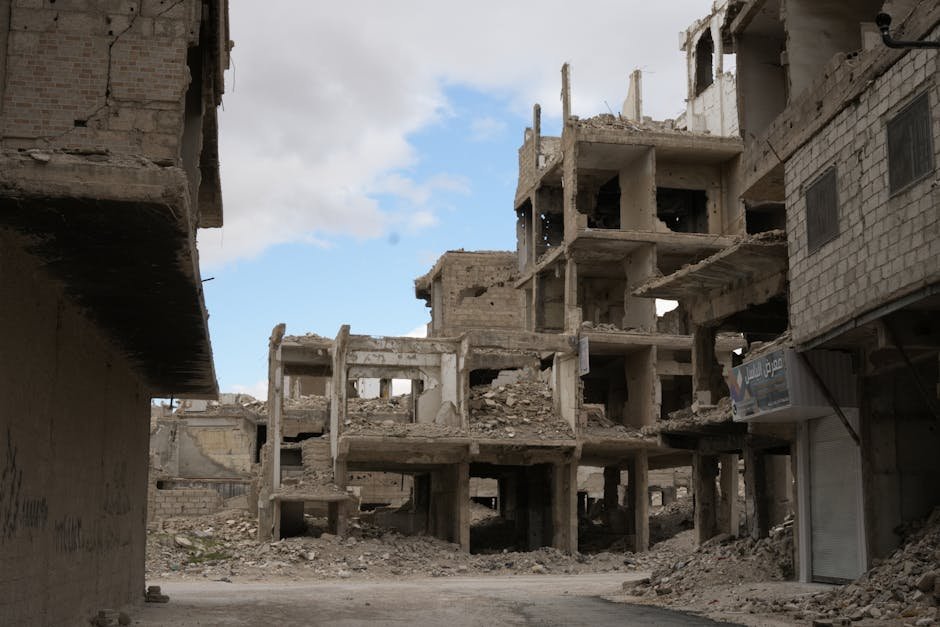
The flames of war are reigniting in the Middle East, and this time, it’s a finger-pointing game between Israel and Iran that could engulf the region in chaos. Can anyone truly say they’re surprised by Israel launching strikes on Iran after Tehran fired a barrage of missiles? This is a volatile chess match where the pieces are not just countries but the lives of millions hanging in the balance.
According to The Washington Post, Israel retaliated with airstrikes on Iranian targets following an aggressive missile barrage from Tehran. This escalation is not a standalone incident; it’s the latest chapter in a long history of mutual hostility that keeps on giving — but at what cost?
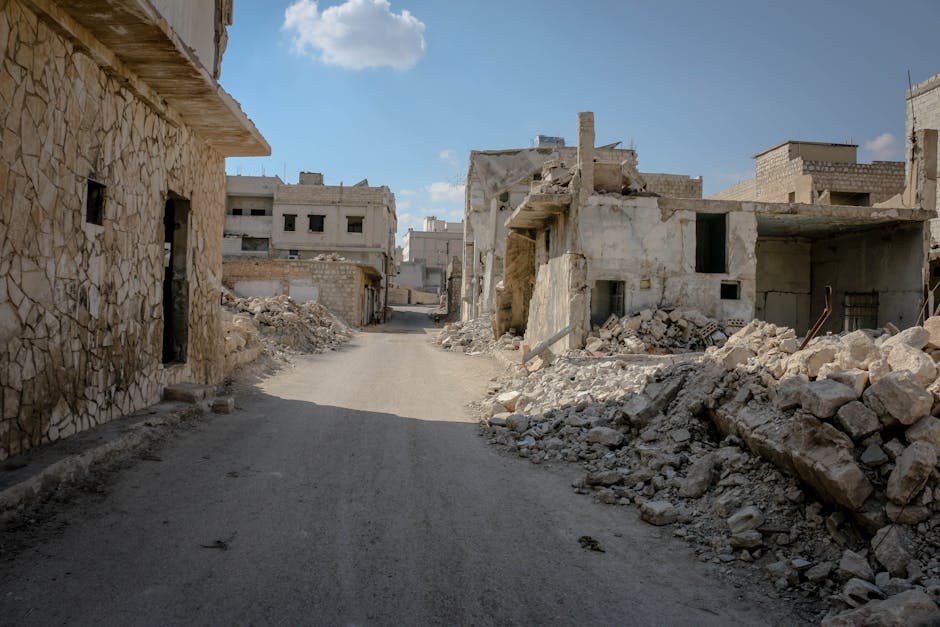
Context: The Escalating Tensions in the Middle East
To understand why this confrontation matters now, we need to look at the backdrop of escalating tensions in the Middle East. Israel and Iran have been locked in a proxy war for years, each attempting to assert dominance over the other. Iranian influence has been spreading throughout the region, bolstering groups like Hezbollah and various militias in Iraq and Syria. For Israel, this is a direct national security threat. As its neighbors grow bolder, especially with Iran’s nuclear ambitions hanging ominously over everyone’s heads, the Israeli government feels justified in its aggressive stance.
This recent missile barrage from Iran was likely designed to showcase strength, possibly in reaction to mounting pressures from Western countries and regional adversaries. It’s a dangerous game being played on a precarious tightrope, with both sides fully aware that a misstep could lead to an all-out conflict. The Middle East is already fraught with instability — any spark could light the fuse for a much larger explosion.
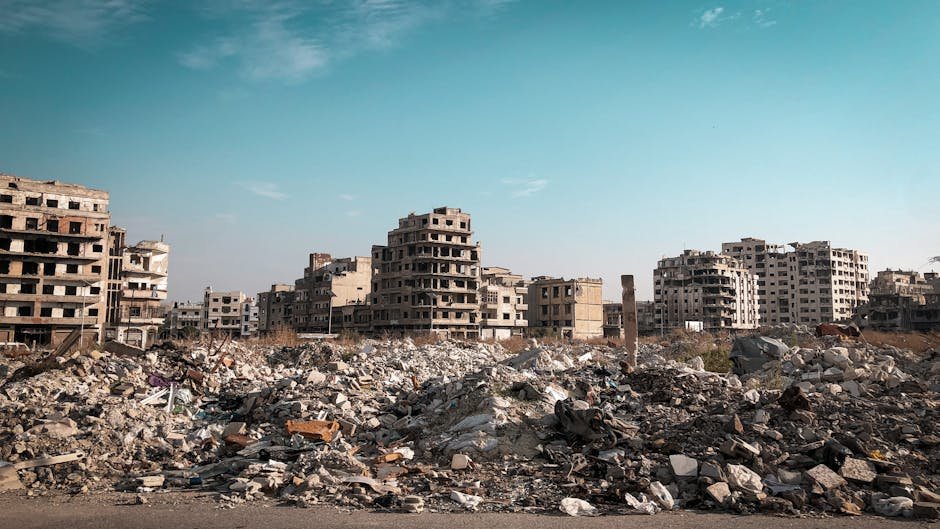
Hot Take: Who Wins, Who Loses?
The real losers in this tragic theater are the everyday citizens of both Israel and Iran, caught in a relentless cycle of violence. While leaders may posture and proclaim their victories, it’s the innocent lives that pay the ultimate price. Israel, for all its military prowess, might inflict short-term damage on Iran, but it won’t erase the fundamental issues at play. In fact, these strikes could provoke a more calculated and destructive retaliation from Tehran, further destabilizing the entire region.
Moreover, the global community is watching and waiting, but don’t expect any saviors. The U.S. has its own interests to protect and will likely keep its distance unless its strategic goals are threatened directly. Meanwhile, Russia and China, ever eager to exploit chaos, are licking their lips at the prospect of increased influence in a fractured region. This is a classic case of geopolitical gamesmanship, where the stakes are measured in human suffering.
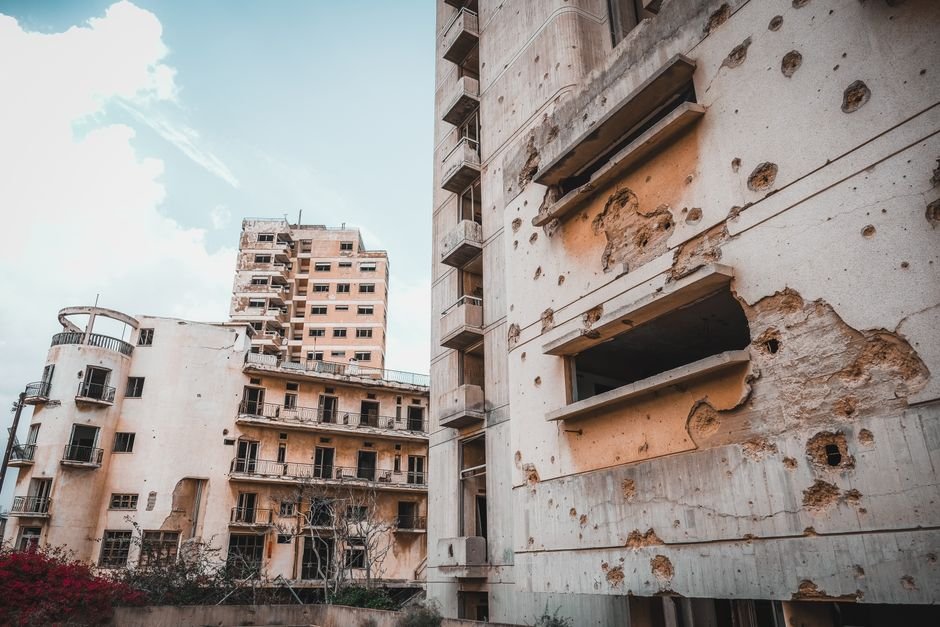
What’s often overlooked in mainstream discussions is how this cycle perpetuates itself. Each act of aggression feeds a narrative of victimhood and retaliation, making diplomacy nearly impossible. How many more lives need to be lost before both sides realize that military action isn’t the answer? The Middle East stands on a precipice, and it’s not clear whether anyone is ready to step back.
As we watch this dangerous escalation unfold, one question looms: How long until this tit-for-tat leads to a confrontation that spirals beyond any control? The Middle East has seen enough bloodshed. It’s time for leaders to find their way back to a table, not a battlefield. Otherwise, we may be witnessing the beginning of a conflict that no one will win.
Source: Google — Middle East