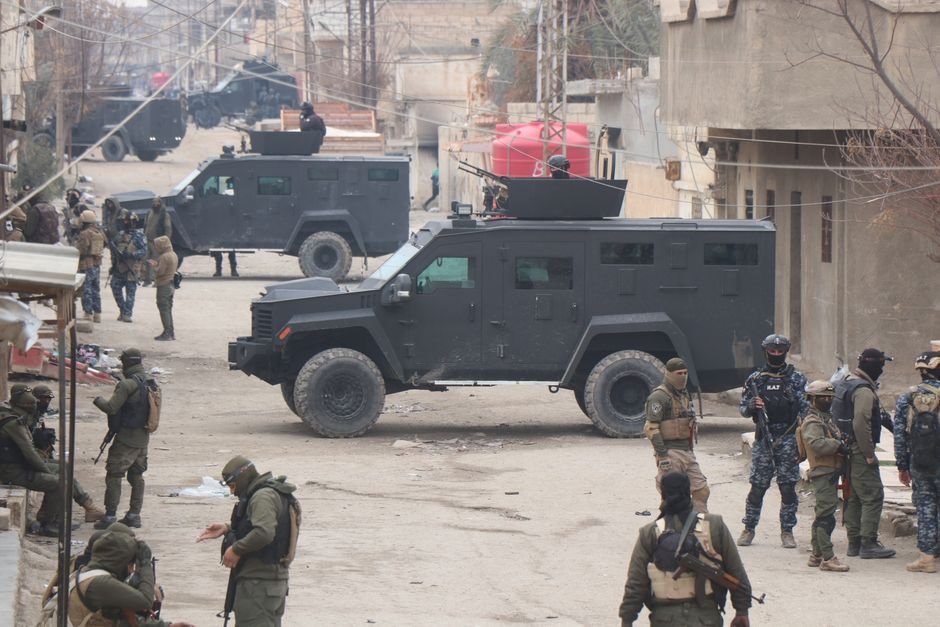
In the volatile realm of the Middle East, the fragile ceasefire is hanging by a thread, and recent exchanges of strikes between Israel and Iran are the harbingers of turmoil. Can a flicker of peace survive when two adversaries are locked in an escalation of violence that threatens to erupt into a full-blown conflict?
According to CBS News, Israel and Iran have been trading missile strikes, escalating tensions that threaten a long-standing ceasefire as their conflict approaches its 100th day. Each side is digging in, signaling that neither is willing to back down or accept the status quo.
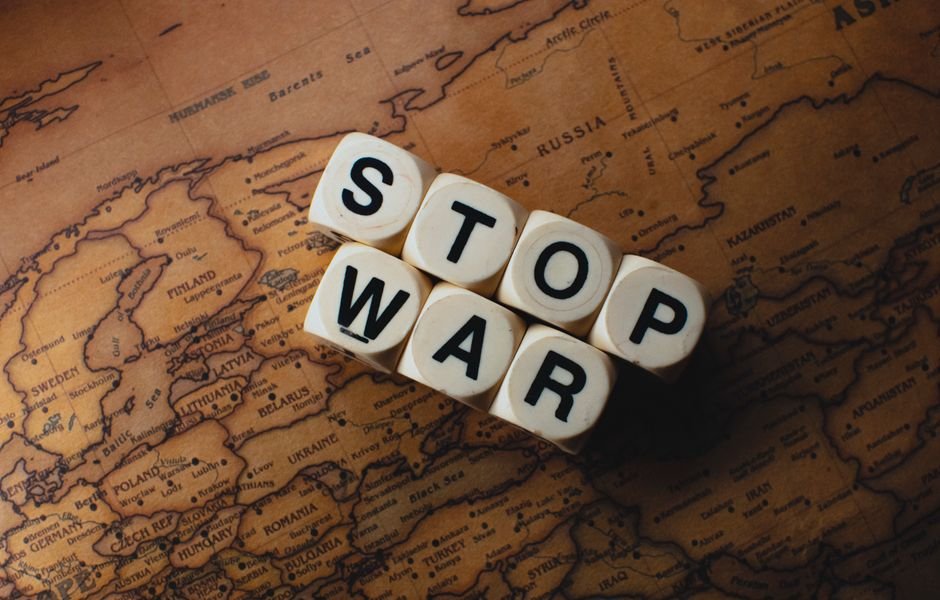
The Implications of Escalating Conflict in the Middle East
This conflict isn’t just another chapter in a long history of hostilities; it’s a potential catalyst for widespread instability in the Middle East. The region has been a powder keg for decades, and this latest round of violence threatens to reignite old rivalries and possibly draw in global powers. The stakes have escalated beyond local skirmishes — we’re talking about a geopolitical chess match where the wrong move could lead to checkmate for millions.
Israel, with its sophisticated military capabilities, is no stranger to retaliatory strikes, often citing self-defense against Iranian aggression. Conversely, Iran has its proxies and an intricate web of alliances across the region that complicate any direct confrontation. Both sides know that an all-out war could lead to devastating losses, but the allure of military posturing often outweighs the wisdom of restraint.
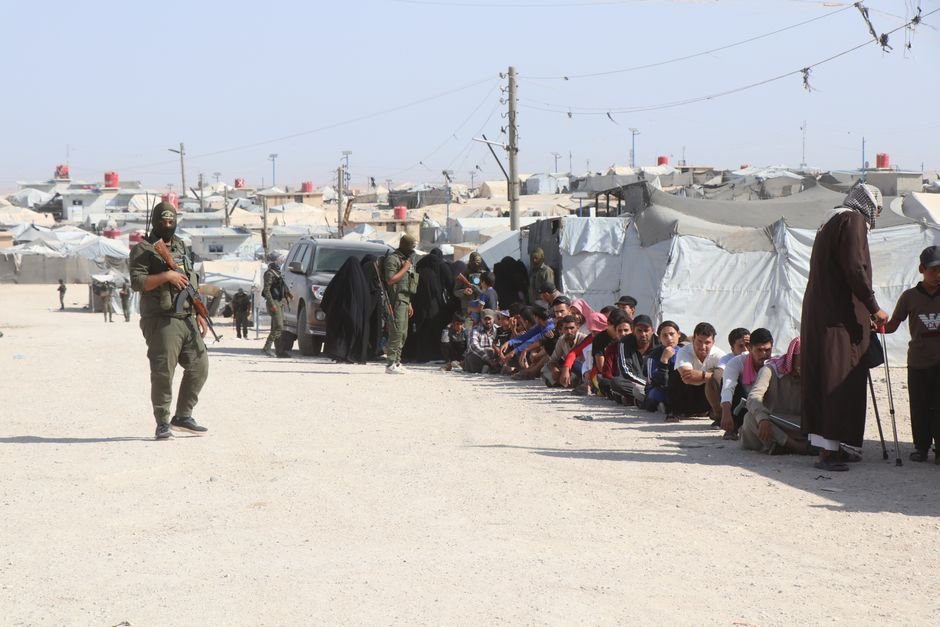
Analyzing the Stakeholders in the Middle East
Who stands to gain from this renewed hostilities? In the short term, no one. Civilians are the ones caught in the crossfire, while regional players will weigh their options against the backdrop of international scrutiny. However, as the rhetoric heats up, we cannot ignore the oil markets that thrive on instability. Speculators might find opportunity in the chaos, but what does this mean for everyday people in the region? What about the humanitarian crisis that is already unfolding?
The mainstream narrative tends to overlook the complexities of these conflicts, framing them as simple good versus evil. But history shows us that it’s often more nuanced. A misstep by either party could unlock a Pandora’s box of retaliatory measures that no one can control. Israel might think it can strike decisively without repercussions, while Iran’s allies could strike back in unpredictable ways.
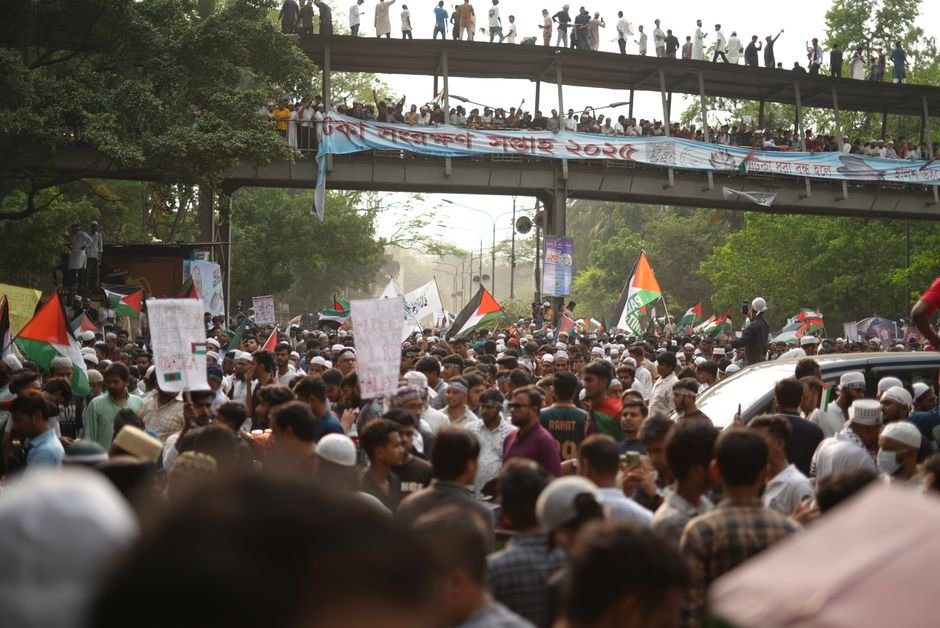
The real danger lies in the lack of communication channels between these two nations. Diplomatic options are dwindling, and aggressive posturing seems to be the order of the day. In a region where misunderstandings can lead to dire consequences, the need for dialogue has never been greater. Yet, as always, it seems that the urge to flex military might overrides the need for peace and stability.
We find ourselves at a crossroads in the Middle East, where the fragile ceasefire is not just a diplomatic term but a lifeline for millions. As the days turn into weeks and the weeks into months, one must wonder: will reason prevail, or are we destined for another chapter of suffering and chaos? The answers remain elusive, but the consequences are as clear as day. There is little doubt that the fate of the Middle East hangs in the balance, and the world is watching closely.
Source: Google — Middle East