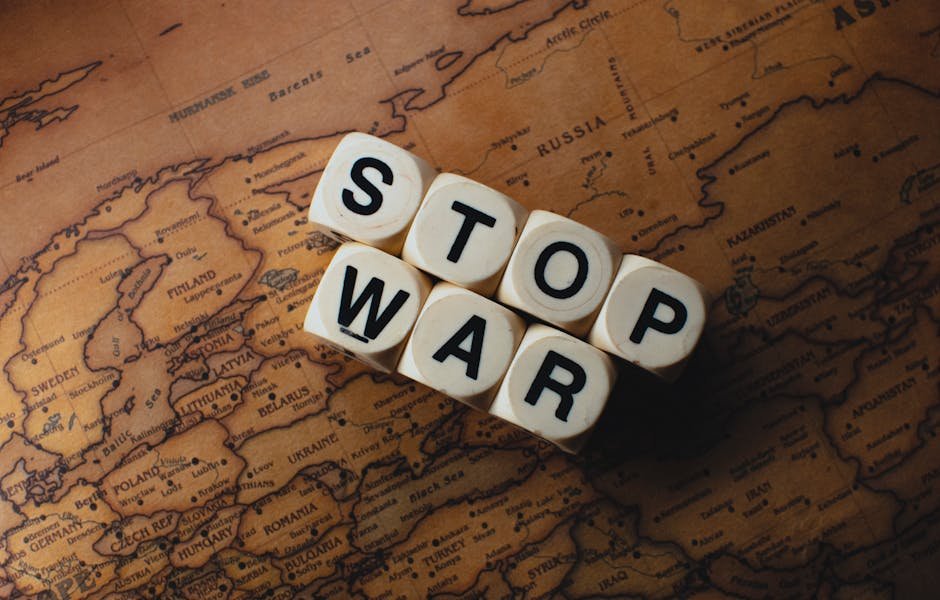
Iran’s latest warning that Israeli attacks in Lebanon threaten the fragile ceasefire with the US is a stark reminder of just how razor-thin the veneer of peace is in the Middle East. It feels like a game of Jenga, where one wrong move could topple everything, and yet here we are, watching the players act with reckless abandon.
According to the BBC, Iran’s officials have expressed grave concerns over Israeli military actions in Lebanon, asserting that such strikes could unravel the delicate balance that has been carefully maintained, especially with US interests in the region at stake. The message is clear: continue down this reckless path, and the consequences could be dire.
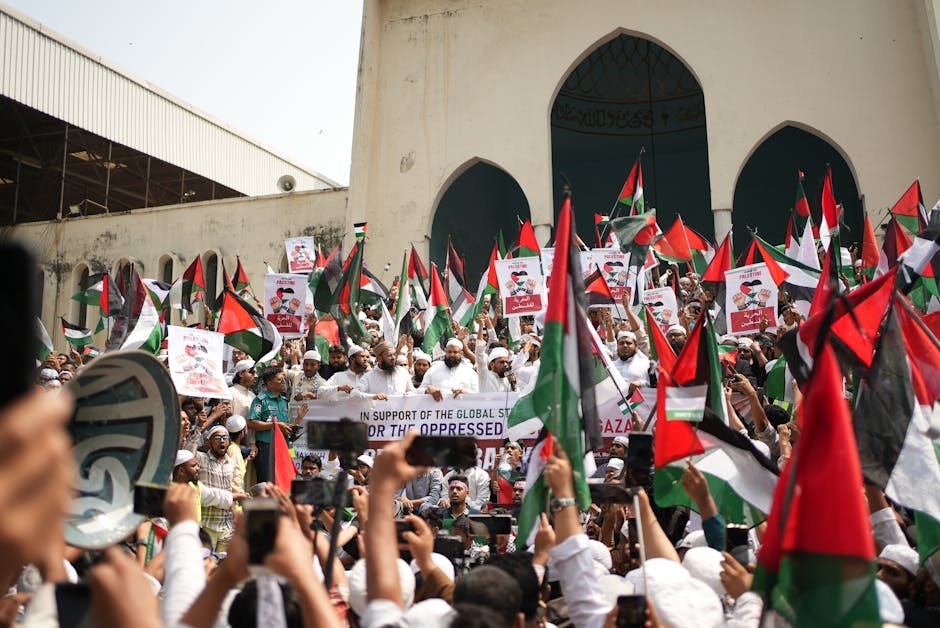
The Fragility of Peace in the Middle East
This warning comes at a time when tensions in the Middle East have surged once again. After years of intermittent ceasefires, any hint of aggression from Israel sends shockwaves through the region. The players involved—Iran, Israel, and the US—are not just acting on impulses; they’re engaged in a high-stakes chess match, where each move can provoke reactions that spiral out of control. The US has historically been an ally of Israel, which complicates matters further. Iran, in contrast, positions itself as the defender of Palestinian rights, framing Israeli actions as aggressive imperialism.
The ceasefire, tenuous at best, relies heavily on both sides exercising restraint. However, with Israel’s recent military escalations, Iran’s warning underscores a terrifying truth: the Middle East remains an explosive powder keg. The involved parties are not just negotiating borders or resources; they are toying with the very essence of stability in the region.
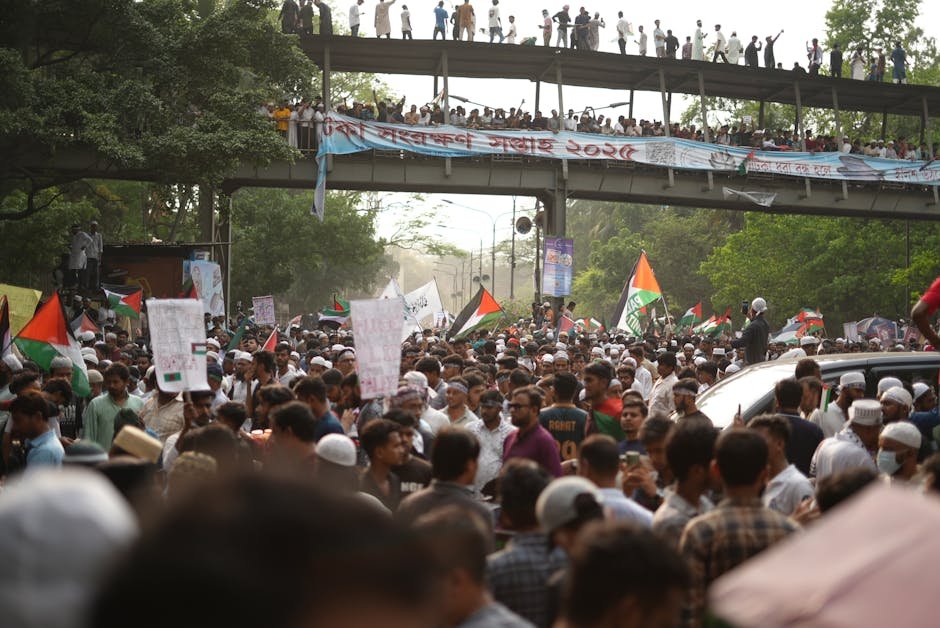
Who Wins When Tensions Rise in the Middle East?
The irony is almost poetic. While Israel seeks security and deterrence through military might, it risks igniting a broader conflict that could engulf not just Lebanon but also recalibrate alliances in the Middle East. Iran’s stance serves as a reminder that every act of aggression has repercussions, not only for the immediate targets but for the entire geopolitical landscape.
Who stands to win in this scenario? Certainly not the civilians caught in the crossfire, nor the broader populace that yearns for peace. It’s the hawkish factions on both sides that thrive in chaos—arms manufacturers and extremist groups benefit from instability. As diplomatic channels get choked by military rhetoric, the potential for reconciliation fades, leaving room for miscalculations and misinterpretations. This cycle only solidifies the notion that a cycle of retribution is the norm in the Middle East.
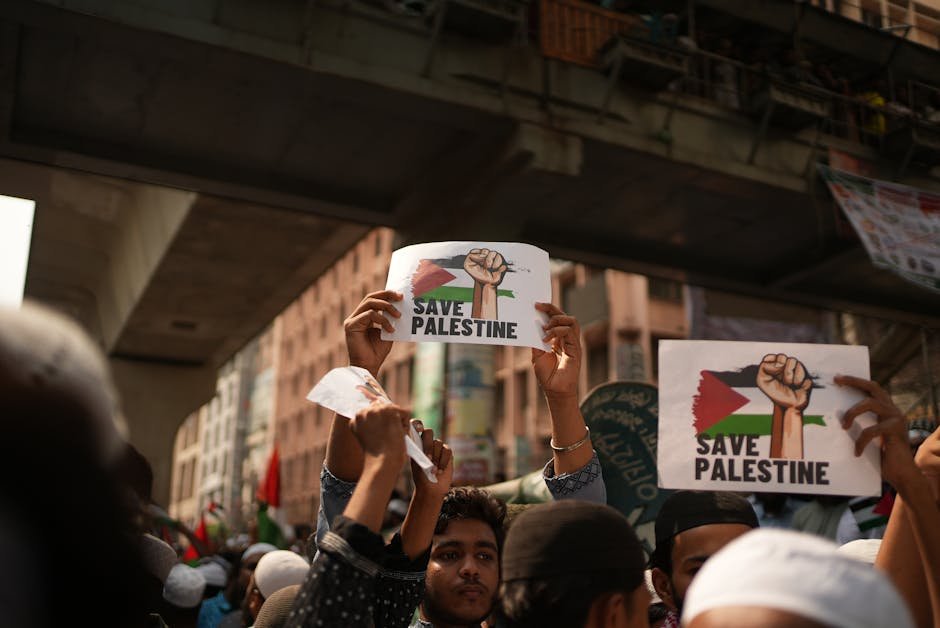
On the other hand, it’s naive to think that diplomatic efforts can completely quell aggression. The complexities of regional politics, historical grievances, and the existential fears each side harbors complicate matters. A ceasefire can only hold if both sides genuinely prioritize peace over conflict, a tough ask when the stakes are so high.
As tensions rise and the world watches, it’s not just the players on the board who are affected. The Middle East’s instability sends ripples through global markets and international relations, affecting everything from oil prices to migration patterns. The stakes are not just local; they resonate around the world.
Iran’s warning is not merely bluster; it’s a clarion call that we ignore at our peril. As we observe these developments, we must ask ourselves: can the players in this deadly game set aside their ambitions and work towards a common ground, or are we doomed to witness another chapter of violence in the Middle East? Only time will tell, but the clock is ticking, and the next move could be catastrophic.
Source: Google — Middle East