
The recent exchange of strikes between the U.S. and Iran underscores a brutal truth: the Middle East remains a volatile powder keg, with each spark threatening to ignite wider conflicts. As tensions rise, investors are holding their breath, taking a pragmatic stance as Treasury yields hold steady amid the chaos.
According to CNBC, U.S. and Iranian forces exchanged military strikes over the weekend, a significant escalation in an already fraught relationship. This military activity has left markets unnerved, yet Treasury yields remained largely unmoved, signaling a complex interplay of geopolitical tensions and financial stability.
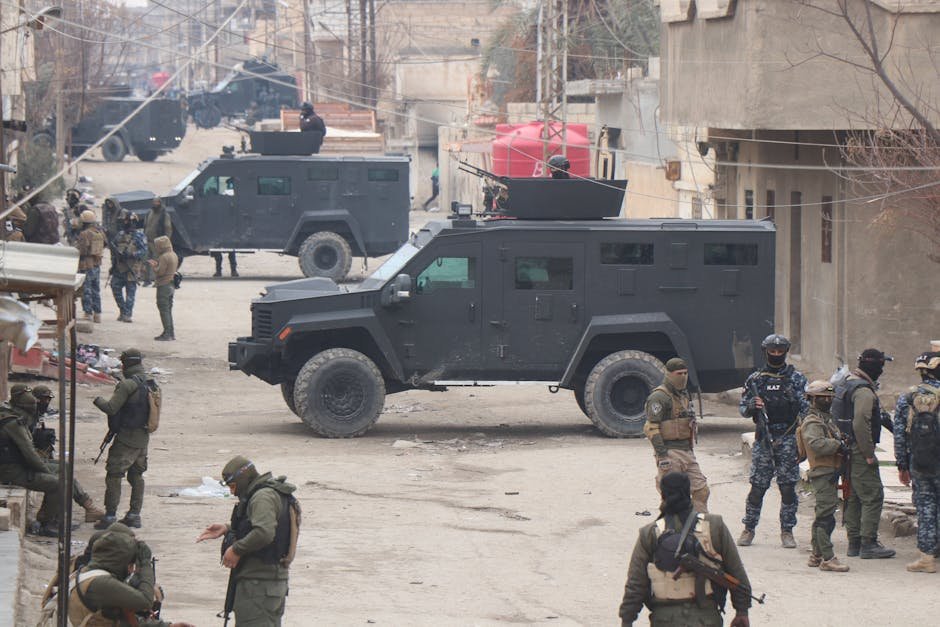
The Ongoing Middle East Tensions
This latest round of hostility isn’t merely a flash in the pan; it is the culmination of years of escalating tensions between the U.S. and Iran, rooted in deep-seated historical grievances and current geopolitical interests. The Middle East has long been a battleground for foreign powers, with Iran’s ambitions perceived as a direct challenge to U.S. interests in the region. The players are not just the two nations involved; they include a host of allies and adversaries, from Israel to Saudi Arabia and various militia groups operating in Iraq and Syria. Each act of aggression reverberates through the complex web of alliances and animosities that define the Middle East.
As the U.S. pivots between deterrence and diplomacy, investors are left to puzzle over the implications for global markets. The stability of Treasury yields, while seemingly reassuring, may indicate a level of investor fatigue regarding Middle East tensions. Or perhaps it reflects a belief that the U.S. will not escalate military involvement — a risky assumption given our track record.
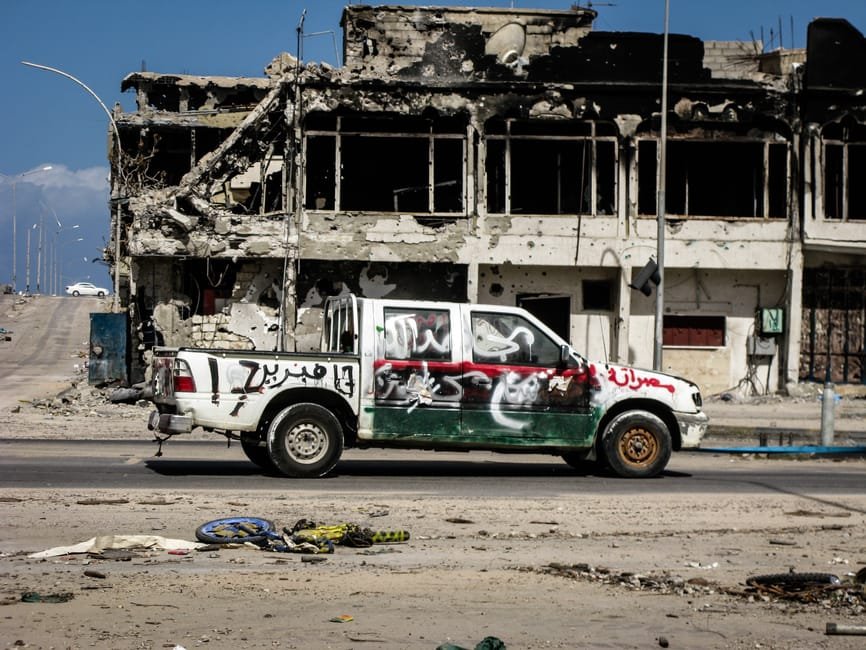
Who Wins and Loses in This Geopolitical Game?
So, what’s at stake? For the U.S., maintaining a strong military presence in the Middle East serves as a safeguard against Iran’s nuclear ambitions and regional influence. However, every missile fired carries the risk of retaliation, potentially drawing in other nations and intensifying conflicts that could rock the global economy. If tensions escalate further, oil prices could spike, leading to inflation and potential economic turmoil back home. In such a scenario, the losers could be everyday Americans, already grappling with high costs and a fragile economy.
On the flip side, Iran may see a temporary gain in domestic support by showcasing its military capability, but this too is a double-edged sword. Any serious conflict could unify opposition against the government, leading to destabilization within its own borders. Meanwhile, regional allies of the U.S. will be left to navigate their own responses — weighing the benefits of American protection against the dangers of regional instability.
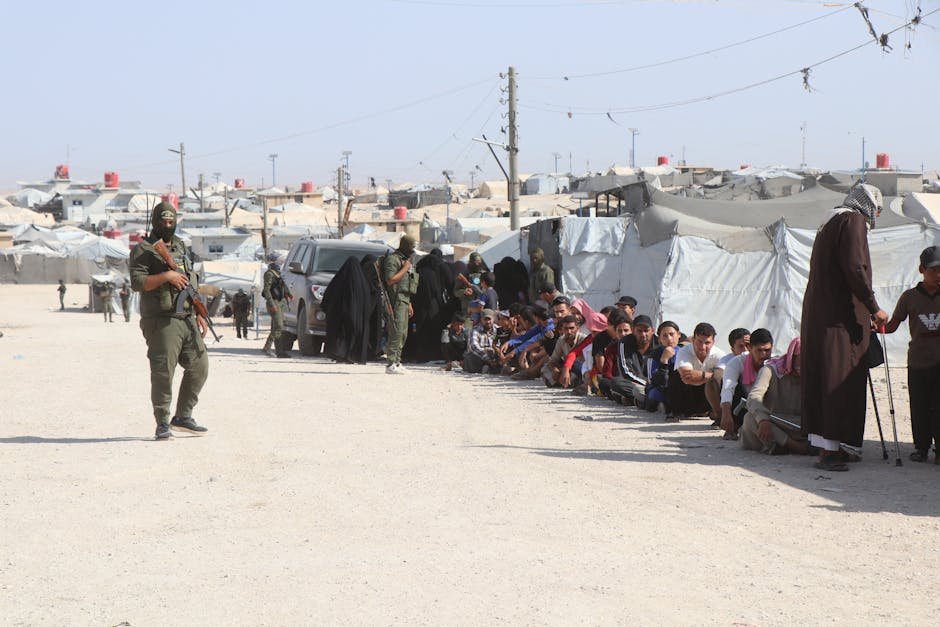
The mainstream narrative often overlooks the psychological aspect of investors during these times. The calm in Treasury yields amidst military strikes reveals a kind of desensitization. Investors might be growing accustomed to the chaos of the Middle East, viewing these developments as part of a tragic but familiar cycle. This nonchalance can be dangerous; it breeds complacency, and complacency can lead to miscalculations.
In conclusion, the Middle East is more than just a geopolitical chessboard; it’s a high-stakes game where every move could change the balance of power. As the U.S. and Iran continue their dangerous dance, the world watches — and waits. Will cooler heads prevail, or are we on the brink of a conflict that will engulf more than just those directly involved? One thing is clear: the Middle East will remain a pivotal factor in shaping our economic and political landscape for years to come.
Source: Google — Middle East