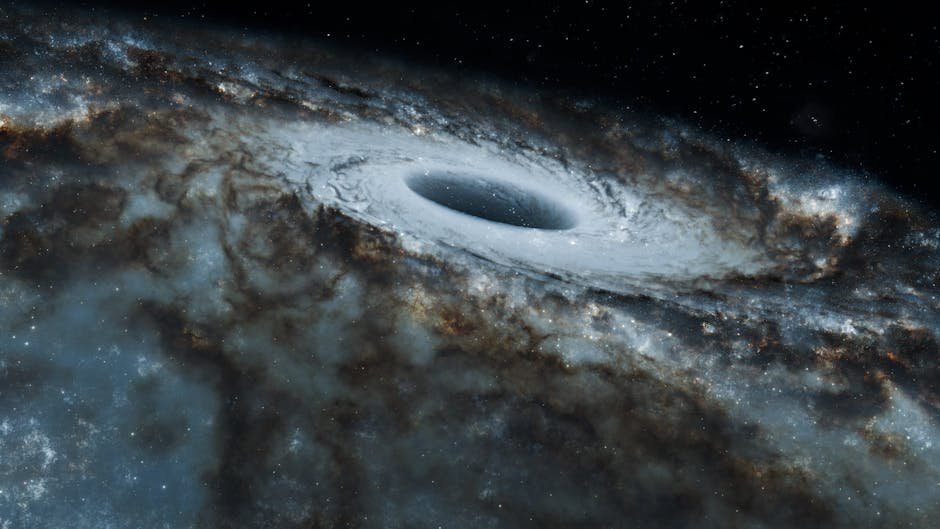
What if I told you that the universe has secrets so profound that even the very fabric of science struggles to comprehend them? NASA’s latest revelation about a black hole that formed before its galaxy challenges our understanding of cosmic evolution and raises more questions than it answers.
According to NASA, the James Webb Space Telescope has spotted a black hole that defies conventional wisdom by existing prior to the galaxy it inhabits. This groundbreaking discovery has been described as a significant leap forward in our understanding of black hole formation, adding to the growing body of evidence that the universe is far more complex than we ever imagined.
The Science Behind the Discovery
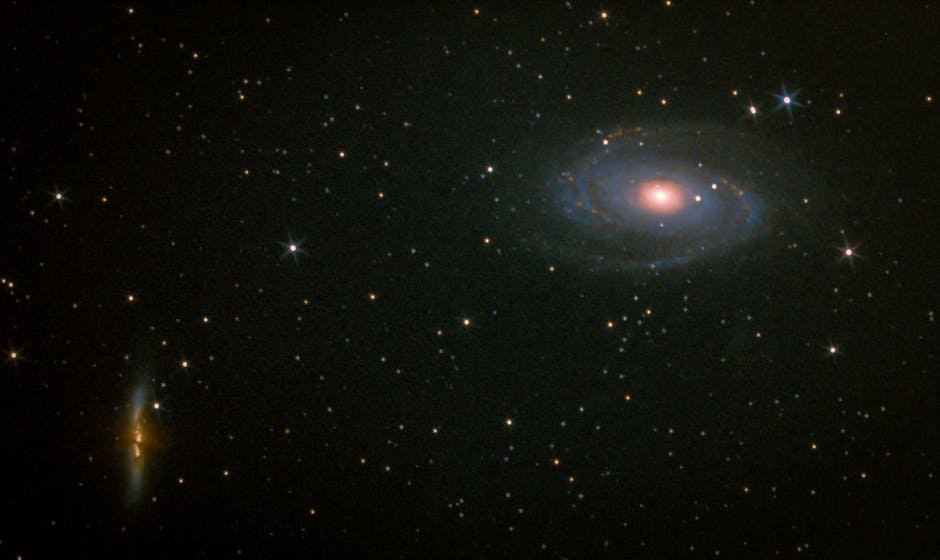
Why does this matter now? For decades, scientists have debated the timeline of galaxy formation, often concluding that stars and galaxies should precede black holes in the cosmic hierarchy. However, this finding suggests that black holes might have emerged much earlier, possibly reshaping how we view the evolution of galaxies and their central supermassive black holes. The players in this cosmic drama are astrophysicists, cosmologists, and the multitude of researchers who have dedicated their careers to unraveling the mysteries of the universe—a pursuit that has just been thrown a curveball.
The black hole in question is estimated to have formed within a few hundred million years after the Big Bang, during an epoch when galaxies were just beginning to take shape. This discovery doesn’t merely tweak the timeline but rips it apart, suggesting that the cosmos could be hiding even more surprises. It forces us to revisit the foundational theories we thought were solid, reminding us that science is more about questioning than about providing absolute answers.
Challenging Established Science
What does this mean for the future of science? While some might celebrate this discovery as a triumph for astrophysics, we must also acknowledge the potential implications of this newfound knowledge. If black holes can precede galaxies, what else might we have gotten wrong about the genesis of our universe? This could lead to a seismic shift in thinking that could either help us understand our cosmic origins better or plunge us into a quagmire of confusion.
Here lies the real crux: if we accept this finding at face value, we might be forced to recalibrate our understanding of cosmic timelines entirely. The mainstream scientific community, known for its cautious approach, may have to confront uncomfortable truths about the limitations of current models of galaxy evolution. Should we embrace this radical shift, or cling to outdated explanations that no longer fit the evidence? It’s a debate that could redefine our understanding of reality as we know it.
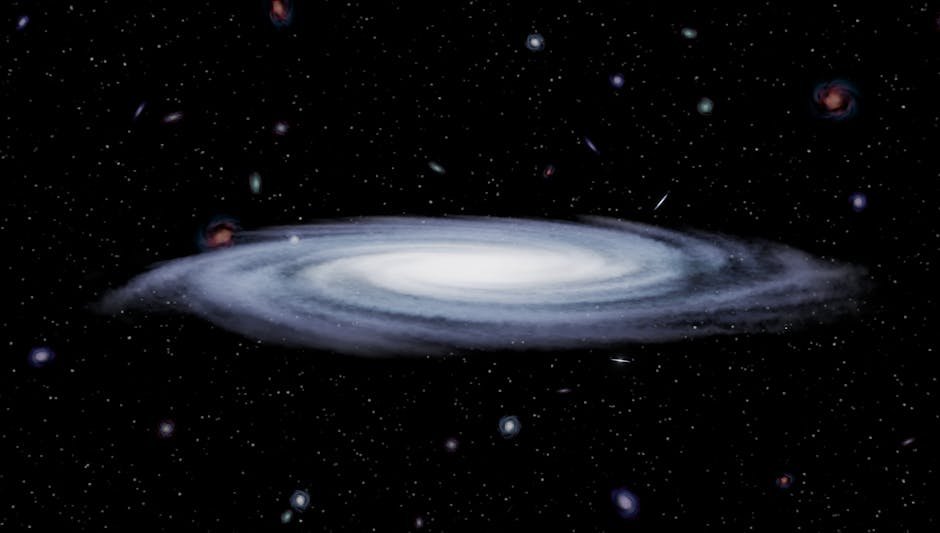
This revelation may make some scientists uncomfortable, forcing them to rethink not just black hole formation, but the very mechanisms of cosmic evolution. Imagine the sleepless nights that await astrophysicists as they ponder the implications of these findings. Who stands to gain from this upheaval in established science? The courageous thinkers willing to adapt and innovate, while others may find themselves relegated to the sidelines, clinging to old paradigms.
As we venture deeper into this cosmic rabbit hole, one must wonder: what other secrets is the universe hiding? The journey of exploring these far-off realms of science isn’t just about the destination; it’s about the uncharted territories we’ll uncover along the way. And in this delicate balance of knowledge and ignorance, perhaps we’ll find that the pursuit of science is as exhilarating as it is daunting.
Source: Google — Space & Science