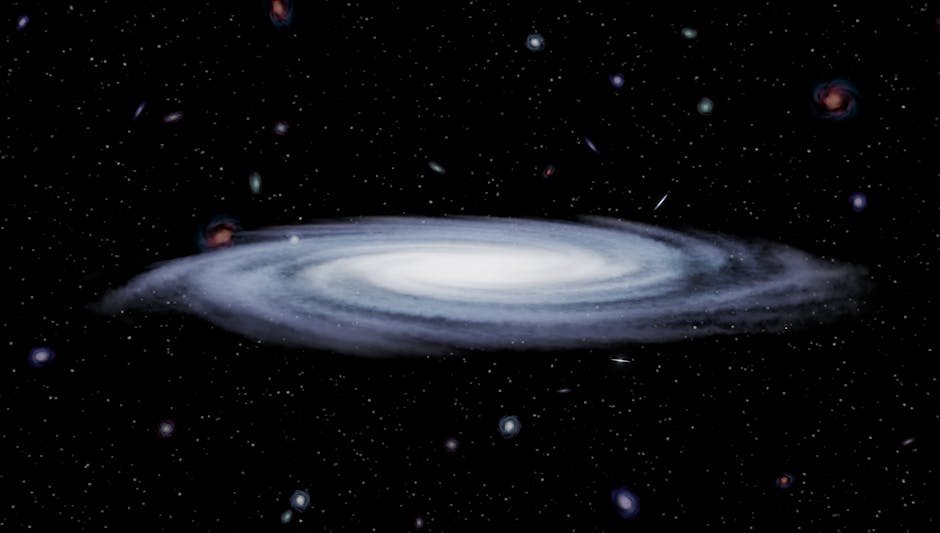
What if the universe’s deepest secrets are not just meant for the scientific elite? NASA’s Webb Space Telescope has uncovered a black hole that formed before its galaxy—a finding that not only rewrites the rules of astronomy but challenges our understanding of science itself.
According to NASA, this black hole originated a staggering 1.5 billion years after the Big Bang, raising eyebrows and altering the timeline of cosmic evolution. This revelation, reported by various sources, highlights how our current grasp of science is still evolving, much like the cosmos it studies.
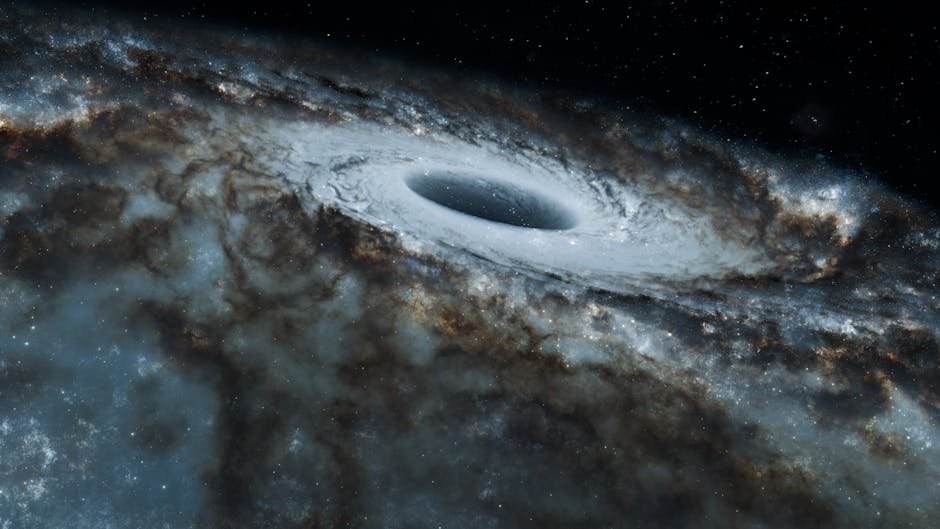
The Science of Black Holes: A New Perspective
This discovery matters because it reshapes our fundamental understanding of how galaxies and black holes evolve together. Traditionally, science has painted a picture of galaxies forming and then birthing black holes at their centers. But now, we see a black hole existing independently of its galaxy, suggesting that our models of cosmic formation may be incomplete. This revelation invites us to contemplate the intricacies of cosmic evolution and the role that unseen forces play in the universe.
The players in this cosmic drama include not only NASA, which continues to push the boundaries of our knowledge, but also the scientific community at large, which must grapple with a paradigm that is still very much in flux. This black hole discovery opens a Pandora’s box of questions about cosmic timelines, energy distribution, and the interchange between black holes and their galactic neighbors.
The Stakes of Cosmic Discoveries
The stakes are high for the scientific community. On one end, this breakthrough could solidify and elevate NASA’s reputation as a leader in astronomical research. On the other hand, it could provoke dissent among scientists who cling to traditional theories. There’s a fine line between being revolutionary and being seen as a fringe thinker in the scientific arena.
Critics will undoubtedly scrutinize whether this finding is an outlier or a glimpse of a new reality. If it is the latter, then we may need to rethink not only what we know about black holes but also our methodologies for understanding the universe at large. The mainstream narrative could shift dramatically, but it will take time for this new perspective to gain traction.
As we marvel at these cosmic discoveries, we must also remember that the science behind them is rooted in human endeavor. Every telescope, every data point, and every theory is developed by people navigating the unknown. It’s a stark reminder of how small we are in the grand scheme of the universe, yet how significant our pursuit of knowledge can be.
In the end, the emergence of a black hole before its galaxy invites us to reconsider our place in the cosmos and in the landscape of science. So here’s a thought: how many more secrets lie hidden in the universe, waiting for audacious thinkers and scientists to uncover them? The truth is, we’re only beginning to scratch the surface.
Source: Google — Space & Science