
Forget the runways of Milan or the boulevards of Paris; the real high-stakes fashion show is happening in the global economy, and every nation is desperate to style itself for the future. Vietnam, it seems, is making a bold statement, aiming to accessorize its industrial base with the hottest trend: **artificial intelligence**.
According to Reuters, Vietnam recently urged tech giants Qualcomm and Samsung to significantly deepen their investments in AI and chip manufacturing within the country. This isn’t just a polite request; it’s a strategic overture from a nation determined to upgrade its economic wardrobe.
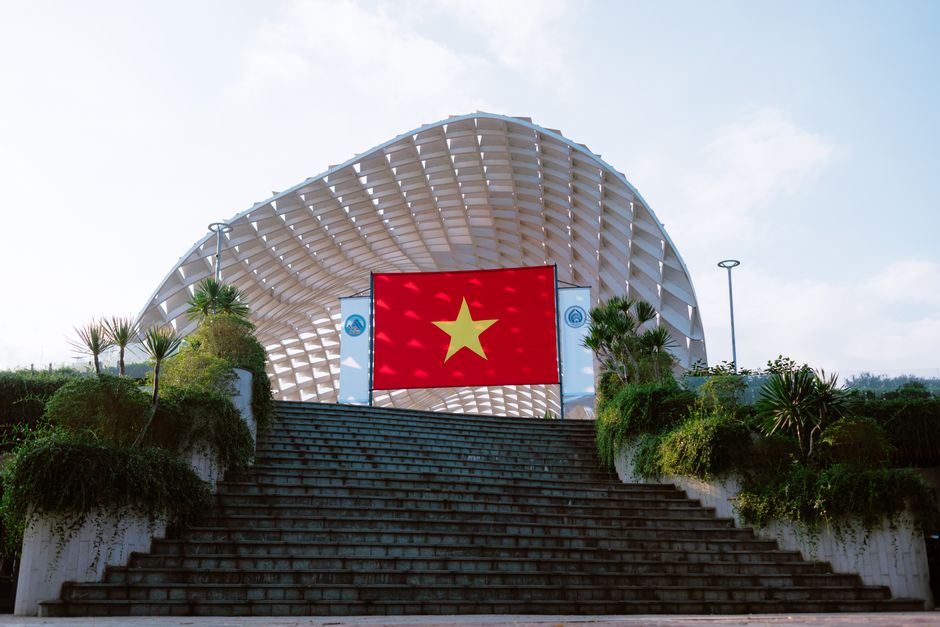
Vietnam’s Tech Makeover for the Age of Artificial Intelligence
Why is Vietnam suddenly so keen to woo these titans of technology? For years, the Southeast Asian nation has been a manufacturing powerhouse, a go-to destination for everything from sneakers to smartphones. However, that reliance on low-cost labor and assembly lines is becoming an outdated look. The future, clearly, is in high-value, knowledge-intensive industries, with artificial intelligence at the very core. Vietnam wants to move beyond simply putting together components; it wants to design them, innovate with them, and ultimately, own a bigger slice of the digital economy pie. This isn’t just about economic growth; it’s about national prestige and strategic independence in a world increasingly defined by technological prowess.
The timing is far from accidental. Geopolitical tensions, particularly between the U.S. and China, have forced global corporations like Qualcomm and Samsung to diversify their supply chains. The days of relying on a single, monolithic manufacturing hub are over. Companies are looking for stable, eager partners. Vietnam, with its relatively young workforce, pro-business policies, and strategic location, presents itself as an attractive alternative. It’s a calculated move to capitalize on the anxieties of the global tech sector, positioning itself as a reliable, secure destination for cutting-edge development. This isn’t just a tech play; it’s a diplomatic masterstroke, leveraging global instability to its own advantage.
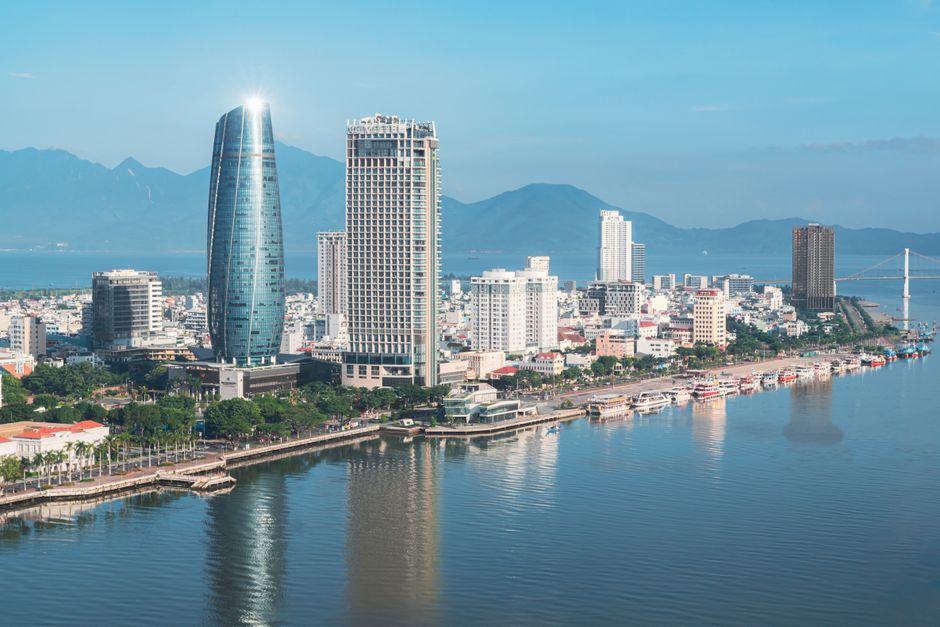
The Stakes of Strategic Styling
This push by Vietnam is a classic power play, and it comes with significant implications. For Qualcomm and Samsung, deeper investment in Vietnam offers more than just supply chain resilience; it opens up new markets and potentially reduces the political risk associated with heavier reliance on other manufacturing hubs. They get a hungry, compliant partner willing to offer incentives. On the other hand, Vietnam gains access to capital, expertise, and, crucially, high-tech jobs that can transform its economy. It’s an opportunity to leapfrog decades of industrial development and position itself as a serious player in the global semiconductor and AI landscape.
However, the game isn’t without its risks for Vietnam. While inviting foreign investment is essential, becoming overly reliant on a few major players can create its own form of dependency. Will Vietnam merely become another assembly ground for advanced chips, or will it genuinely develop its *own* indigenous talent and innovation ecosystem? The true test of this strategy won’t be in the sheer volume of investment, but in the transfer of knowledge and the cultivation of local expertise. Without a robust educational infrastructure and strong domestic R&D, Vietnam risks being a high-tech factory floor rather than a true innovation hub. Furthermore, the global competition for artificial intelligence leadership is fierce. Nations like India, Malaysia, and even Indonesia are making similar bids. Vietnam needs to ensure its allure isn’t just fleeting, a momentary trend, but a sustainable model for growth. It’s a delicate balance between attracting big players and fostering internal strength.

This move underscores a larger truth: in the current era, economic power is synonymous with technological sophistication. Nations are no longer just competing on price or quantity; they’re vying for intellectual capital, for the brains that build the future of artificial intelligence. Vietnam is boldly stepping onto that stage, asserting its ambition. The question remains, however: will it merely parade the designs of others, or will it become a designer in its own right, truly shaping the future?
Source: Google — Technology & AI