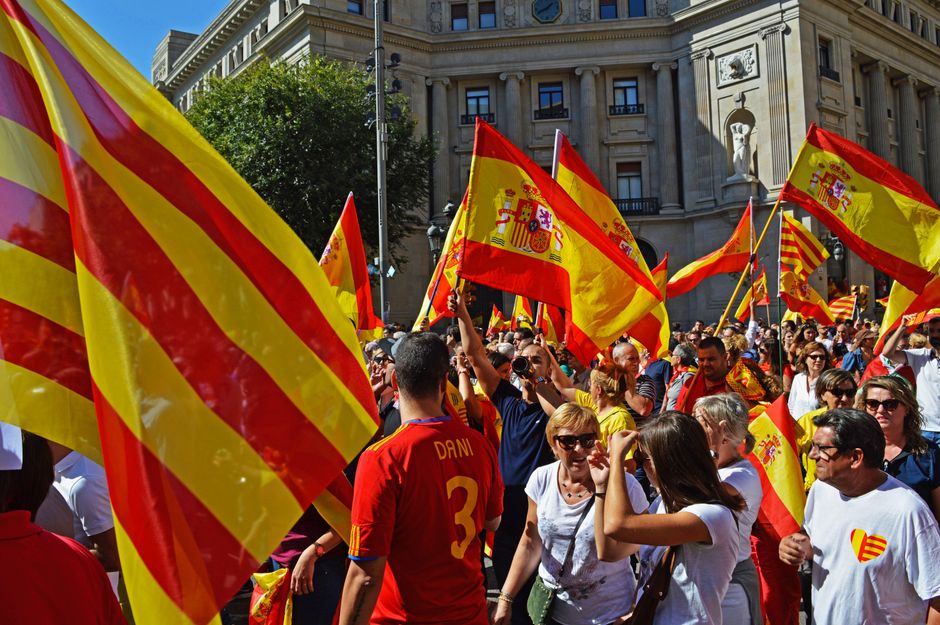
The beautiful game, they say, unites us. But sometimes, it merely throws our deepest divisions into sharper relief. Case in point: the recent decision by **Barcelona** to scrap a planned tribute for Spain’s World Cup-winning national team. It’s a move that peels back the veneer of sporting camaraderie to expose the raw political nerves beneath.
According to Al Jazeera, FC Barcelona’s decision to cancel the tribute came as the club hosted its first game since Spain’s World Cup triumph, amid an organized display of support by fans for Catalonia’s pro-independence symbols. This wasn’t a spontaneous act of defiance; it was a calculated withdrawal from a celebration that many in Catalonia simply cannot stomach.
The Enduring Divide in Barcelona
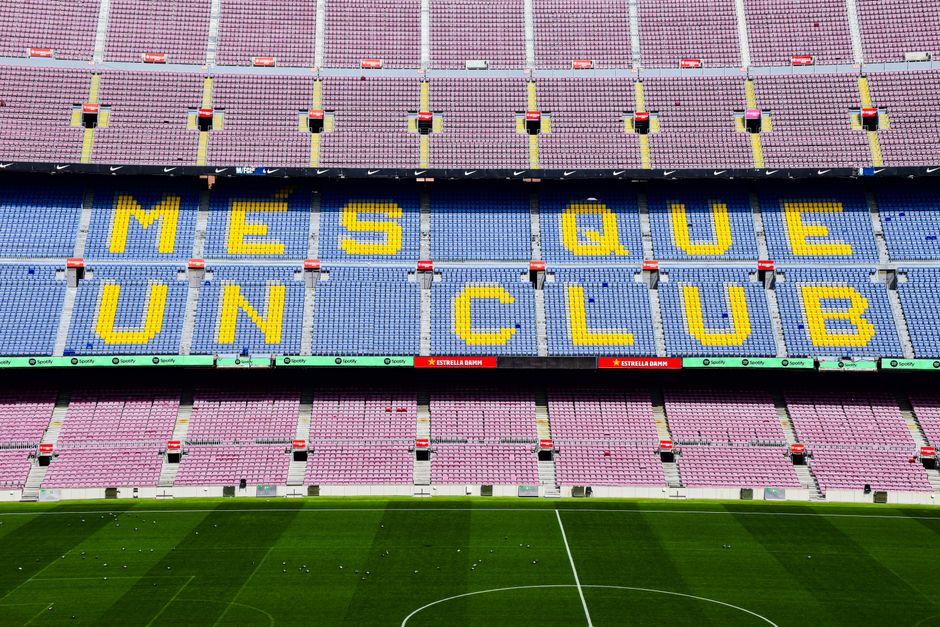
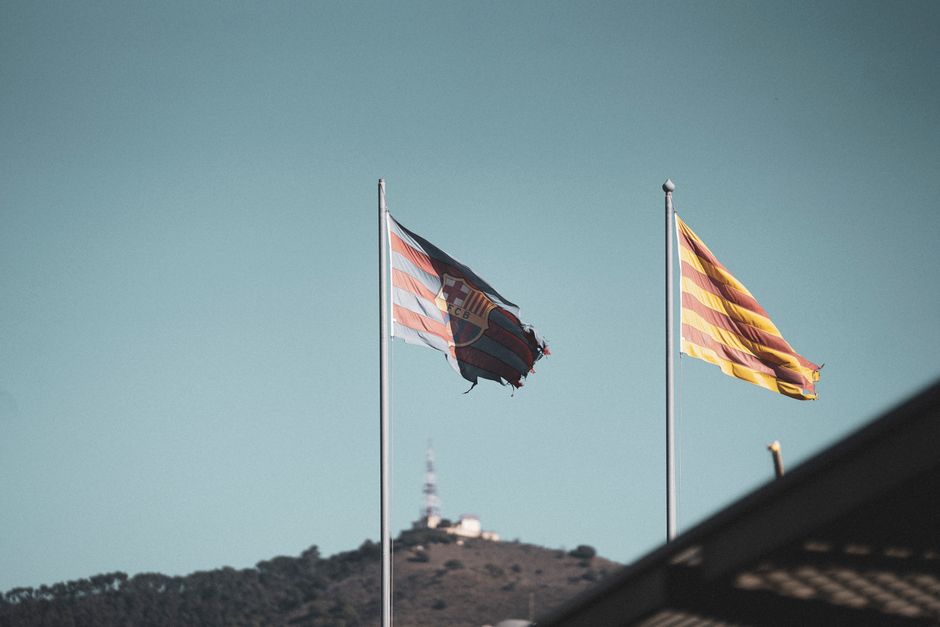
To understand this latest twist, one must grasp the complex, often fraught, relationship between Catalonia and the Spanish state. Catalonia is a wealthy, distinct region with its own language, culture, and a powerful sense of national identity. For decades, a significant portion of its population has campaigned for independence from Spain, a desire that has frequently led to political clashes and popular protests. FC Barcelona, more than just a football club, has long been a potent symbol of this Catalan identity. Its stadium, Camp Nou, often transforms into a sea of *estelades* – the pro-independence flag – during matches.
This backdrop makes any celebration of Spanish national success particularly awkward, if not outright contradictory, for many *culés*, as Barcelona fans are known. When the Spanish national team, La Roja, achieves glory, it represents the very nation some Catalans wish to separate from. Therefore, a club deeply intertwined with Catalan identity finds itself in an impossible bind: celebrate a national triumph and risk alienating its core fanbase, or refuse and be accused of politicizing sport. This isn’t just about football; it’s about a profound cultural and political schism that football merely reflects. The club is constantly navigating these treacherous waters, attempting to balance its global brand with its deeply local roots and political significance.
A Pragmatic Capitulation, Not a Principled Stand
Let’s be clear: Barcelona’s decision to scrap the tribute was not a bold political statement in itself. Rather, it was a pragmatic capitulation to the undeniable political reality within its own stadium. The organized display of Catalan independence symbols by fans forced the club’s hand. Had Barcelona proceeded with the tribute, it would have been met with widespread booing and protest from its own supporters, turning a moment of national pride into an embarrassing spectacle of division. The club likely weighed the optics of a half-hearted, hostile tribute against the less dramatic optics of no tribute at all. They chose the path of least internal resistance, which, in this context, means aligning with the sentiments of their pro-independence fanbase.
This move underscores the undeniable truth that in places like Catalonia, sport and politics are inextricably linked. Those who argue for keeping politics out of football are living in a fantasy. For millions, a club like Barcelona is a banner, a rallying point, a repository of regional pride that transcends the mere ninety minutes on the pitch. The club’s leadership, for all its corporate interests, understands where its true loyalty lies—or at least, where its paying customers’ loyalties lie. By stepping back, Barcelona avoids a direct confrontation with its own supporters, but simultaneously sends a clear message to Madrid: national unity, for many here, remains a contested ideal, even in victory. This isn’t just about celebrating a World Cup; it’s about acknowledging the ongoing struggle for identity and sovereignty, a struggle that football, whether it likes it or not, is always a part of.
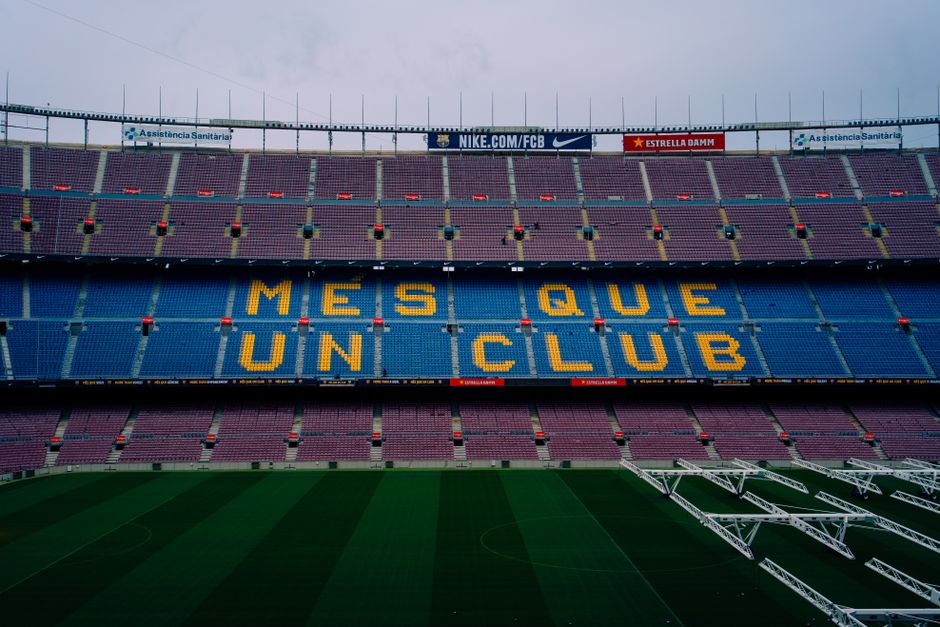
So, while Spain celebrates its World Cup, **Barcelona** is left to navigate the persistent chasm of its own identity. How long can a club serve as both a global sporting powerhouse and a flashpoint for regional independence? The answer, it seems, is indefinitely – or at least, until the political landscape shifts dramatically.
Source: Al Jazeera