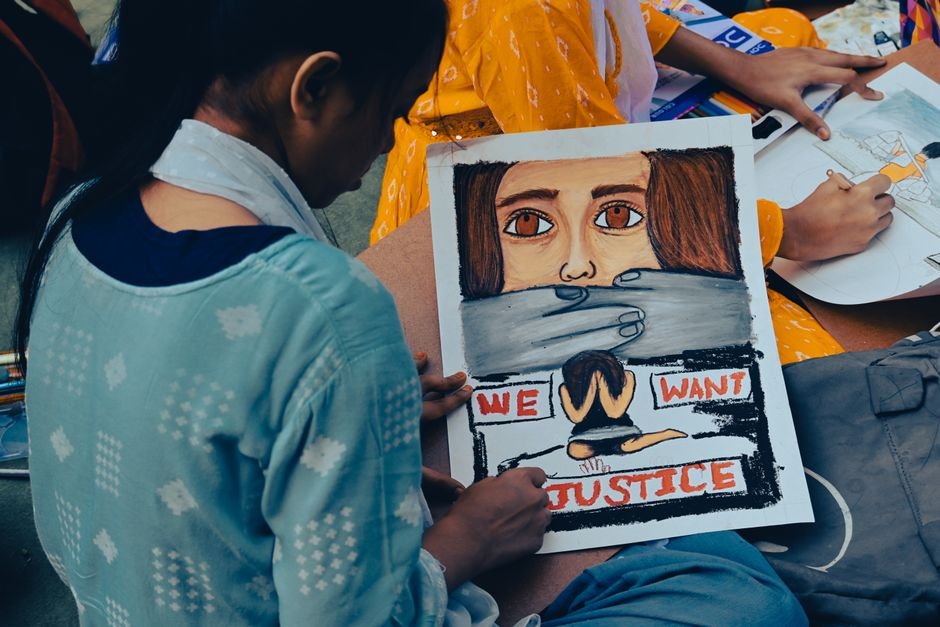
The youth of South Asia are sending shockwaves across the globe with their latest uprising, but are we really watching the birth of a new protest culture, or is this just a flash in the pan? The ‘Cockroach’ movement has hit the streets of India, and it’s far more than a quirky name; it symbolizes the fierce resilience of a generation tired of being squashed by oppressive systems.
According to The Christian Science Monitor, young activists in India have taken to the streets to express their frustrations, using the unexpected metaphor of cockroaches to highlight their survival instincts in a society that often seeks to crush dissent. This movement is gaining traction at a time when younger generations around the world are increasingly vocal and confrontational about issues such as climate change, social injustice, and government inaction.

Why the ‘Cockroach’ Movement Matters in South Asia
The urgency of this movement is rooted in a number of pressing social issues that have been festering in South Asia. Youth unemployment, skyrocketing costs of living, and governmental apathy are just a few of the reasons these young activists have decided that enough is enough. The ‘Cockroach’ movement specifically reflects a broader sentiment of frustration that has been simmering beneath the surface, particularly in India, which has seen a surge in youth-led protests over the past decade. It’s a defining moment for a generation that feels unheard and undervalued, and the symbolism of cockroaches—creatures that survive against all odds—could not be more apt.
But let’s not forget that South Asia has a complicated history when it comes to protests. While some movements have successfully brought about change, many others have been met with brutal crackdowns. The players in this current landscape are not just the police and the politicians; they include a tech-savvy youth who leverage social media to organize and amplify their voices. As they stand up against systemic inequality, the stakes are high, and the outcome remains uncertain.
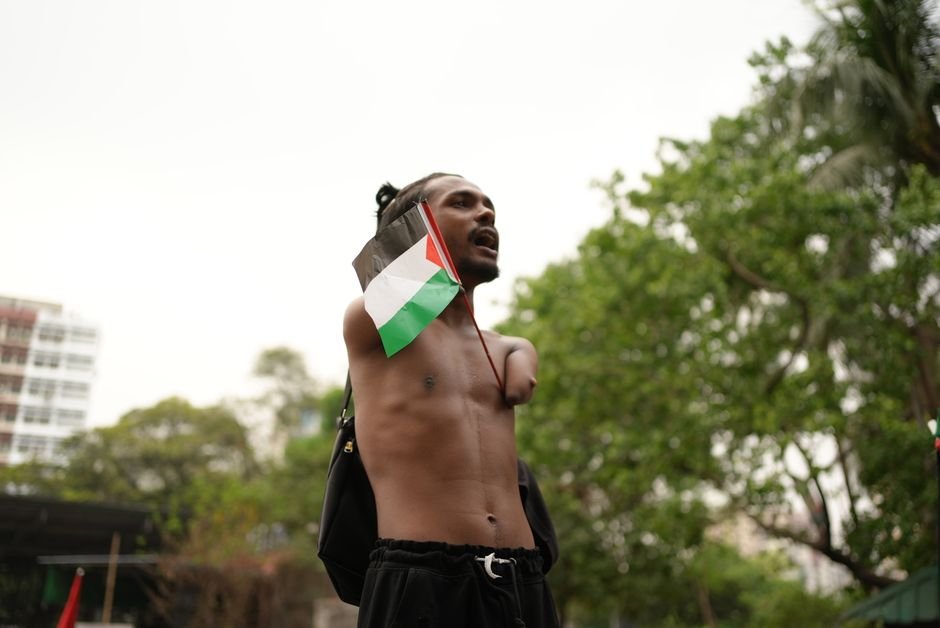
The Stakes of the ‘Cockroach’ Movement in South Asia
The truth is, the ‘Cockroach’ movement is a double-edged sword. On one side, you have a potentially transformative force for change—youth with energy, passion, and the courage to challenge norms. If they can channel their frustrations into sustained action, they could reshape the political landscape in South Asia. However, on the other side, there’s the ever-looming threat of repression. History has shown us that authoritarian regimes don’t take kindly to dissent. If these activists push too hard, the backlash could be devastating.
The mainstream media often focuses on the sensationalism of protests, framing them as chaotic and unruly. However, what they tend to miss is the ideological fervor that drives these movements. The ‘Cockroach’ movement is not just a cry for help; it’s an assertion of identity and agency. For many young Indians, standing up against a system that disregards their voices is not merely a political act; it’s a cultural revolution.

As South Asia continues to grapple with the challenges of modern governance, the rise of movements like this could either be the catalyst for a new era of civic engagement or a painful reminder of how quickly hope can be crushed underfoot. The world is watching, and it remains to be seen whether this vibrant burst of energy will lead to meaningful change or be another example of youth disillusionment.
In the end, one thing is clear: the youth of South Asia are ready to fight, and the ‘Cockroach’ movement is just the beginning. Will they succeed in shifting the tides, or will they be relegated to a footnote in the history of protests? Only time will tell, but one thing’s for sure—this is a fight worth watching.
Source: Google — South Asia