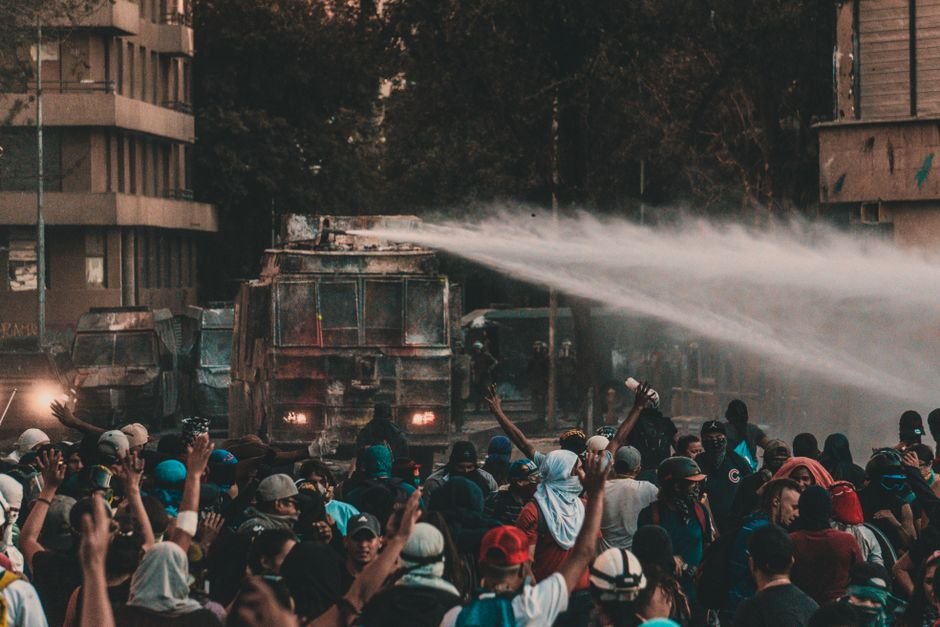
The situation in South Asia is growing increasingly dire, as the echoes of gunfire in Pakistan-administered Kashmir signal not just the loss of lives but the disintegration of hope. At least 15 individuals have been killed amid violent clashes, as reported by the BBC, suggesting that the fragile peace in this region is teetering on the brink of collapse.
The Rising Tensions in South Asia
According to reports, thousands took to the streets in protest, driven by a mix of grief and anger over the recent violence. This uprising is not merely a response to the immediate killings; it reflects deep-rooted tensions that have simmered for decades in this disputed territory. The conflict between Pakistan and India over Kashmir has been a festering wound since 1947, and it continues to bleed fresh casualties. The local populace, tired of governmental inaction and military oppression, is demanding accountability and justice.
This moment is significant, not just in the context of Kashmir, but for the entirety of South Asia. The region has become a volatile hotbed of nationalism, where each side treats the other with suspicion and fear. External powers have their fingers on the scale, further complicating a resolution. The geopolitical chess match between India and Pakistan, with China and the U.S. looming around the edges, plays a crucial role in determining the future of this already fragile landscape.
The Stakes are High
What’s at stake here is more than just the lives lost; it’s a question of sovereignty, identity, and the very fabric of civil society in South Asia. The mainstream narrative often simplifies this conflict to a bilateral issue, but it is deeply interwoven with ethnic, religious, and ideological lines that cut across borders. Each casualty inflames nationalistic sentiments and fuels the fire of revenge, making it all the more difficult to envision a peaceful resolution.
The protests signify a potential turning point, but they also reveal the pitfalls that lie ahead. While some view the mobilization as a powerful statement against oppression, others might see it as a catalyst for greater violence. The risk of escalation is real; already, the Indian government has responded with heavy-handed tactics that could lead to more bloodshed. If the international community fails to intervene or if local leaders fail to unite for a common cause, we could see a cycle of violence that spirals beyond control.
The mainstream often overlooks the voices of the Kashmiri people themselves, reducing them to mere pawns in a geopolitical game. But these protests are a clarion call for change, highlighting an urgent need for dialogue and diplomacy, not just between India and Pakistan, but also among the people who inhabit this tortured land. Without acknowledging and addressing the internal dynamics, any external solutions will be hollow at best.
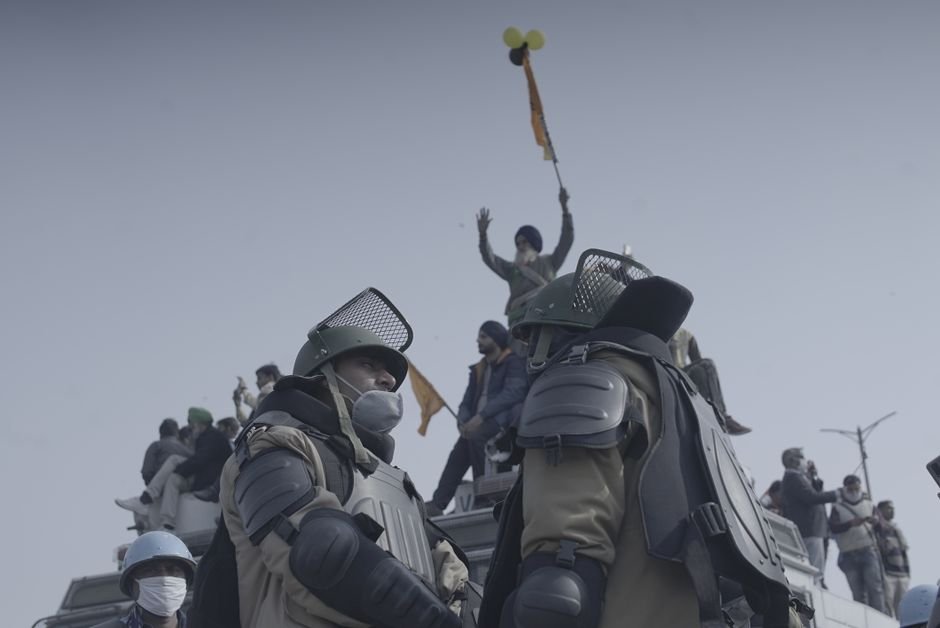
As we reflect on this tumultuous situation in South Asia, one has to ask: will the world continue to stand idly by while lives are snuffed out and communities are torn apart? The call for justice and peace is growing louder, and the question remains — who will heed that call before it’s too late? The current crisis in Kashmir could serve as either a turning point towards peace or a precursor to further conflict, and the world must take note.
Source: Google — South Asia