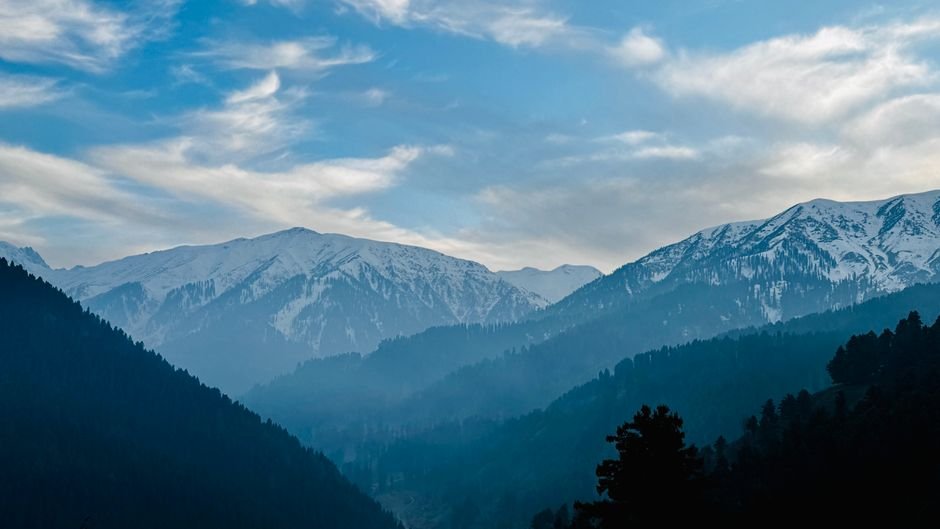
In a region dubbed the “mountain of war,” the conflict between India and Pakistan is far from a distant memory for the people of South Asia. It’s a daily reality, and a reminder that the scars of history run deep and bloody. As tensions simmer and flare in this volatile area, one question looms large: can we ever break the cycle of violence, or are we doomed to repeat the past?
According to Al Jazeera, some of the deadliest confrontations in the ongoing India-Pakistan conflict are taking place in the treacherous terrain of the Himalayas. This conflict, which has seen the loss of countless lives, reveals the intense and complex relationship between these two nuclear powers, both of whom lay claim to the same land.
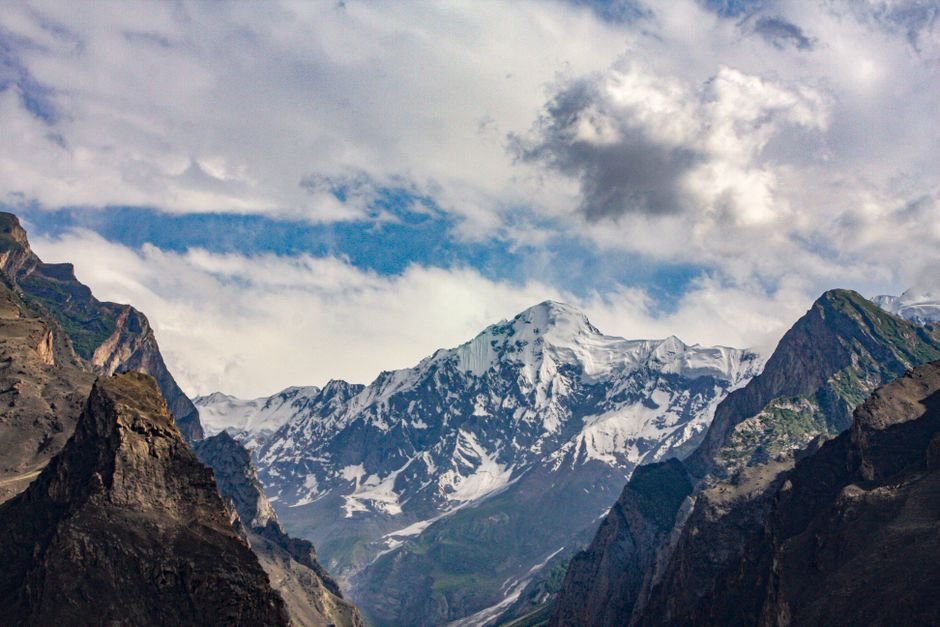
The Context of Conflict in South Asia
The roots of this conflict are entangled in colonial legacies and nationalistic fervor. The partition of British India in 1947 led to mass displacement and communal violence, leaving a legacy of distrust that festers to this day. Fast forward to the present, and the tensions are exacerbated by cross-border terrorism, military posturing, and territorial disputes in regions like Kashmir. This ongoing conflict is not just a tale of two nations; it is a narrative that impacts the millions living in South Asia, a region often caught in the crossfire of geopolitical games.
This battle zone has seen an influx of military resources from both sides, with each nation keen to assert dominance over the high-altitude landscape. The stakes are high, as any miscalculation could potentially escalate into a broader conflict, destabilizing the entire region. It’s a precarious game where the slightest misstep could plunge South Asia back into chaos.
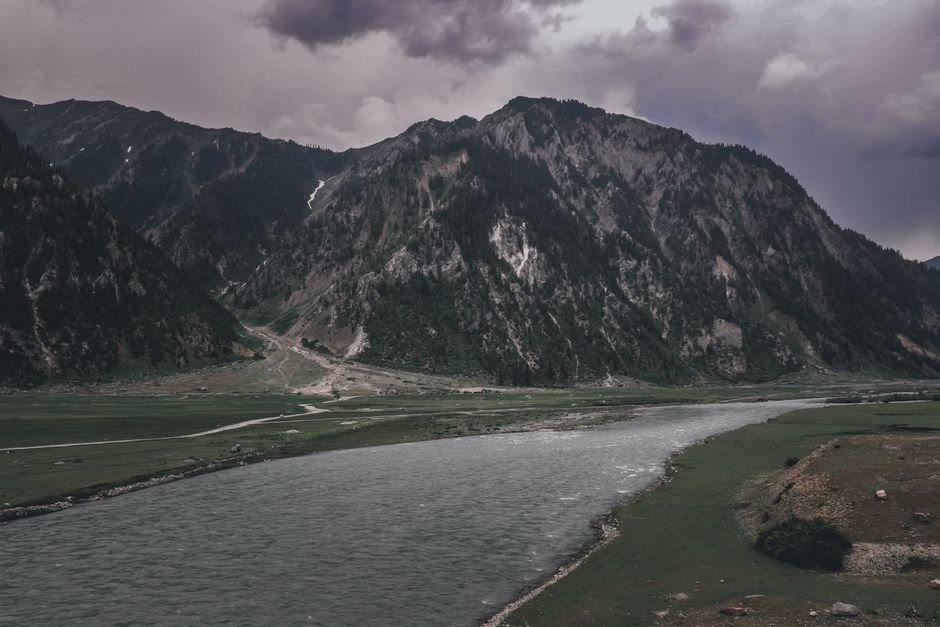
The Stakes in South Asia’s Tensions
India and Pakistan stand at a crossroads, where both victory and catastrophe are just a breath away. Politically, leaders on both sides are accustomed to leveraging nationalistic sentiment to rally their populations. This means that the escalation of conflict is not merely a military issue; it is a political football being kicked around for domestic gain. In this light, the question must be asked: Is any resolution viable?
What’s often overlooked in mainstream discourse is the human cost of this rivalry. The countless families torn apart by violence, the children who grow up knowing nothing but fear, and the soldiers who are sent to these rugged terrains that have become synonymous with despair—these are the real victims of this geopolitical dance.
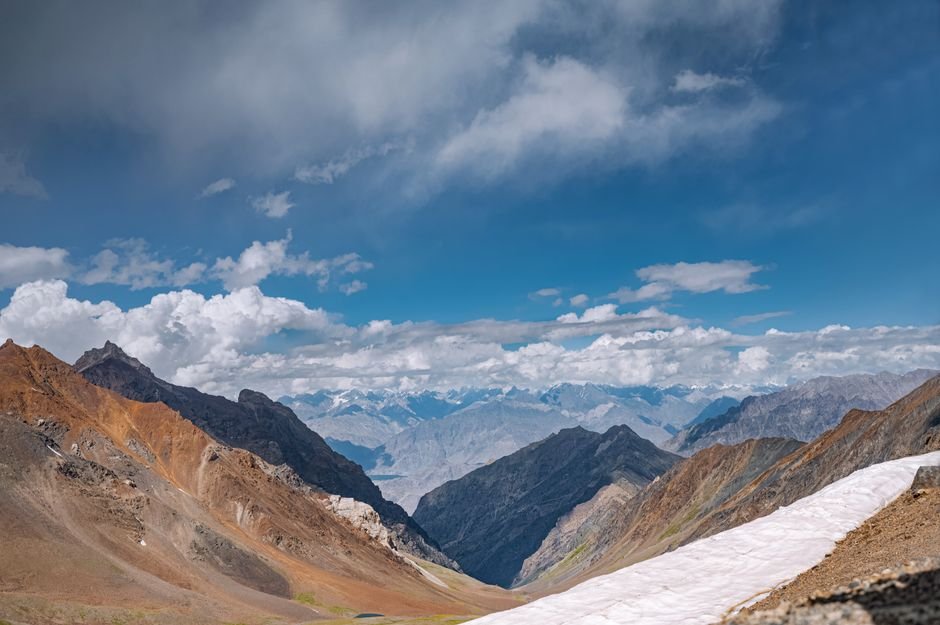
With both nations armed to the teeth and unwilling to back down, the risk of a larger confrontation is alarmingly high. As strategies evolve, both sides must grapple with the consequences of their actions. The people of South Asia deserve peace, yet history tells us that the wheels of war are often set in motion by those who fail to listen.
As we reflect on the current state of affairs, one must wonder: will South Asia ever break free from its violent past, or are we on the brink of witnessing the next chapter in a long saga of conflict? One thing is for certain: the mountain of war looms large, and the struggle for peace continues to be an uphill battle.
Source: Google — South Asia