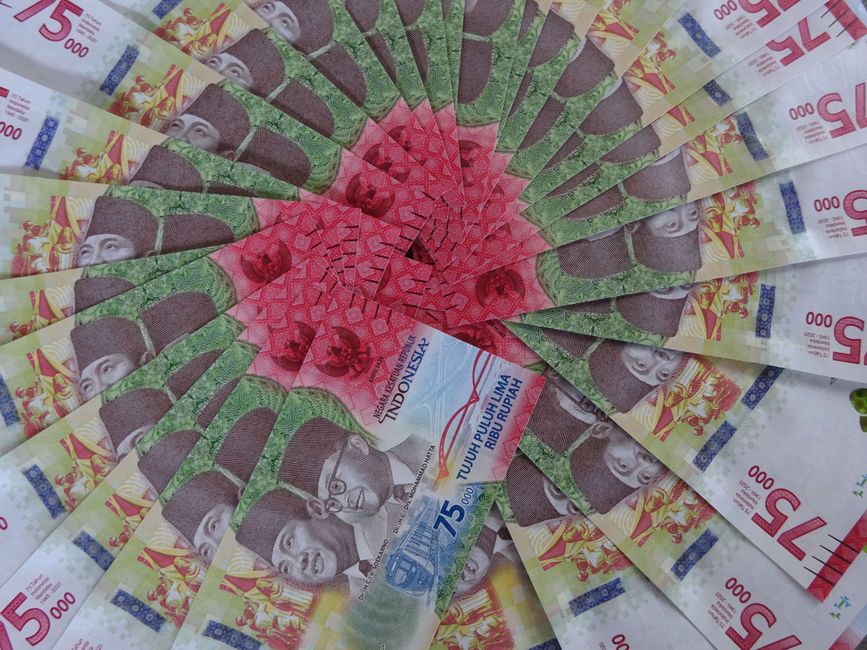
The sudden departure of Bank Indonesia’s chief has sent a tremor through financial markets, raising urgent questions about the future of **Bank Indonesia** policy under President-elect Prabowo Subianto.
The news broke swiftly, reporting that Perry Warjiyo, Governor of Bank Indonesia, was stepping down. This wasn’t a pre-scheduled retirement or a carefully managed transition; the *Financial Post* described it as a “shock exit.” Only days prior, on Friday, Warjiyo was reportedly in Singapore, engaging with investors after attending a regional central bank forum. This public display of business-as-usual, projecting stability and ongoing leadership, makes the abruptness of his exit all the more jarring.

The timing is particularly fraught. Indonesia is on the cusp of a new presidential administration, with Prabowo Subianto set to take office. His campaign platform, rich with promises of ambitious social spending and infrastructure projects, has fueled debate about potential fiscal expansion and its implications for the central bank’s independence and inflation targets. Warjiyo, as a seasoned central banker, has been a steady hand, navigating monetary policy through turbulent times, often emphasizing prudent fiscal management and price stability. His sudden departure leaves a vacuum at a critical juncture, inviting intense scrutiny into the dynamics between the incoming political leadership and the country’s independent financial institutions.
What landed
The most potent “statement” from this entire saga isn’t a quote, but the sheer, unexplained abruptness of the event itself. That a central bank chief, so recently engaged in publicly reassuring international investors, would suddenly step aside without a clear, immediate explanation, speaks volumes. It telegraphs instability, not continuity. The fact that market participants and analysts, as reported by the *Financial Post*, immediately linked this to potential friction with Prabowo’s economic agenda reveals the prevailing anxiety. This isn’t a mere change of guard; it’s an exit perceived as a dramatic shift, forcing the market to brace for the unknown rather than a smooth transition.
The absence of any definitive, public reason from Warjiyo or the incoming administration is, ironically, the loudest message. It lands not as transparency, but as an opaque manoeuvre, hinting at disagreements too fundamental or sensitive to be aired openly. This silence leaves ample room for speculation that the traditional independence of Bank Indonesia might be under pressure. The *Financial Post*’s characterization of the event as a “shock” underlines that this was not a consensus move, nor one that was effectively communicated to stakeholders. It signifies a breakdown in the expected protocols of a major economy’s financial leadership, leaving investors and citizens alike to piece together the narrative from fragments and rumours.
What doesn’t add up
The most glaring inconsistency is the stark contrast between Governor Warjiyo’s recent public engagements and his sudden exit. One moment, he’s actively meeting investors in Singapore, projecting confidence and stability in his role, engaging in the very dialogue necessary to assure markets. The next, he’s gone. This isn’t a subtle shift; it’s a dramatic pivot that directly contradicts the impression of continuity and steady leadership he was, by all accounts, just cultivating. What changed so fundamentally between Friday’s investor meetings and the announcement of his departure that it necessitated such an abrupt, unexplained exit?
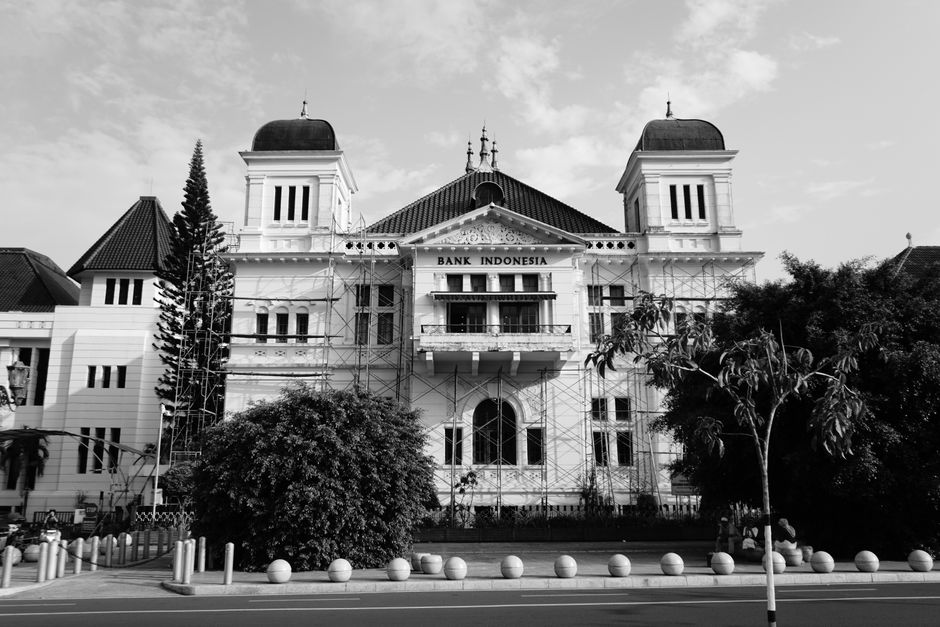
The lack of a coherent narrative from either Warjiyo or the President-elect’s camp only compounds the confusion and breeds suspicion. If this was a mutually agreed-upon transition, why the “shock”? Why the silence? The vacuum left by this non-explanation is inevitably filled with conjecture: Was there an irreconcilable difference over policy direction, particularly concerning the central bank’s autonomy in the face of Prabowo’s ambitious spending plans? Was there an expectation that Warjiyo would bend to political will, and his refusal led to his ouster? The official line, if one ever materializes, will struggle to overcome the initial impression of a forced hand. This isn’t just a failure to communicate; it’s a failure to manage expectations, leaving markets to grapple with uncertainty rather than assured leadership.
The stakes could not be higher. On Monday morning, Indonesia’s financial markets will open under a cloud of uncertainty. The abrupt nature of Warjiyo’s departure, coupled with the lack of transparent explanation, fuels concerns about the independence of Bank Indonesia and the future trajectory of monetary policy under President-elect Prabowo. This isn’t merely a change in personnel; it’s a potential harbinger of a new, less predictable era for one of Asia’s most dynamic economies.
Source: OnTheRecord