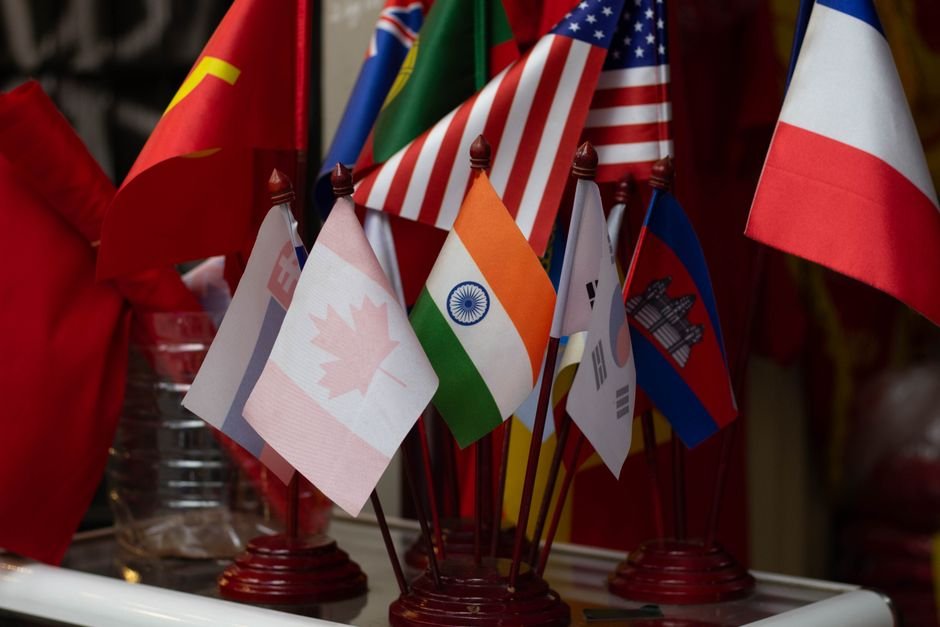
The shifting sands of geopolitics have a way of revealing uncomfortable truths, and the latest development in South Asia is no exception. With the U.S. now positioned as India’s top gas supplier, thanks to the ongoing conflict in the Gulf that has sidelined Iran, we must ask ourselves: what does this mean for the balance of power in the region?
According to CNBC, the United States has overtaken traditional suppliers, becoming the primary source of natural gas for India as the Iranian war disrupts established trade routes. This seismic shift underscores a critical moment in energy diplomacy, one that many were not prepared for.
The Evolving Energy Landscape in South Asia
For decades, India has relied on Iran as a key gas supplier, a relationship bolstered by historical ties and shared interests. However, the ongoing war in the Gulf has dramatically cut off those avenues, forcing New Delhi into the welcoming arms of Washington. The U.S. has been ramping up its energy exports to various countries, but this new dynamic in South Asia is particularly telling. It raises important questions about dependency, security, and whether India is merely exchanging one form of vulnerability for another.
In this context, the players involved are crucial. On one hand, India is navigating its energy demands amidst an unstable geopolitical climate. On the other hand, the U.S. is seizing an opportunity to strengthen its influence in South Asia, all while Russia’s energy clout is waning due to sanctions. The shifting allegiances are more than just economic—they’re strategic maneuvers in a game that could determine the future of regional security.
Winners, Losers, and What’s at Stake
The big winners in this scenario appear to be the United States and India, both of whom stand to gain from increased energy security and economic ties. However, consider the potential losers: Iran and its allies. As India turns its back on Iranian gas, the implications could ripple through the Middle Eastern power dynamics, further isolating Tehran and escalating tensions in a region already rife with conflict.
But let’s not kid ourselves; this isn’t all smooth sailing. The over-reliance on the U.S. raises a red flag. India risks becoming entangled in the broader U.S.-China rivalry, with its energy security potentially vulnerable to the fluctuations of American foreign policy. If the U.S. decides to prioritize its own interests over India’s, that newfound friendship could sour faster than a gallon of spoiled milk.
Moreover, the narrative that U.S. gas is a panacea for India’s energy woes is dangerously simplistic. As climate considerations intensify, questions about the sustainability of fossil fuels loom large. The push for renewable energy is not just an environmental imperative; it’s an economic one. India must tread carefully, balancing immediate energy needs with long-term sustainability goals.
The mainstream analysis often overlooks the tensions lurking beneath the surface. The U.S.’s ascendance in South Asia could provoke reactions from both Russia and China, who are not about to sit idly while their interests get sidelined. A new Cold War in the region may be on the horizon, with energy diplomacy at the heart of these shifting alliances.
The bottom line is this: while the U.S. stepping in as India’s top gas supplier may seem like a win, it could just as easily set the stage for deeper complexities. The real test will lie in how these relationships evolve and whether India can maintain a level of autonomy in a landscape increasingly defined by external influences.
As the dust settles on this new deal, one question lingers: In a world of shifting allegiances and energy insecurities, can India chart its own course without becoming too tethered to a single partner? The implications for South Asia are profound, and it’s a narrative we should all keep an eye on.
Source: Google — South Asia