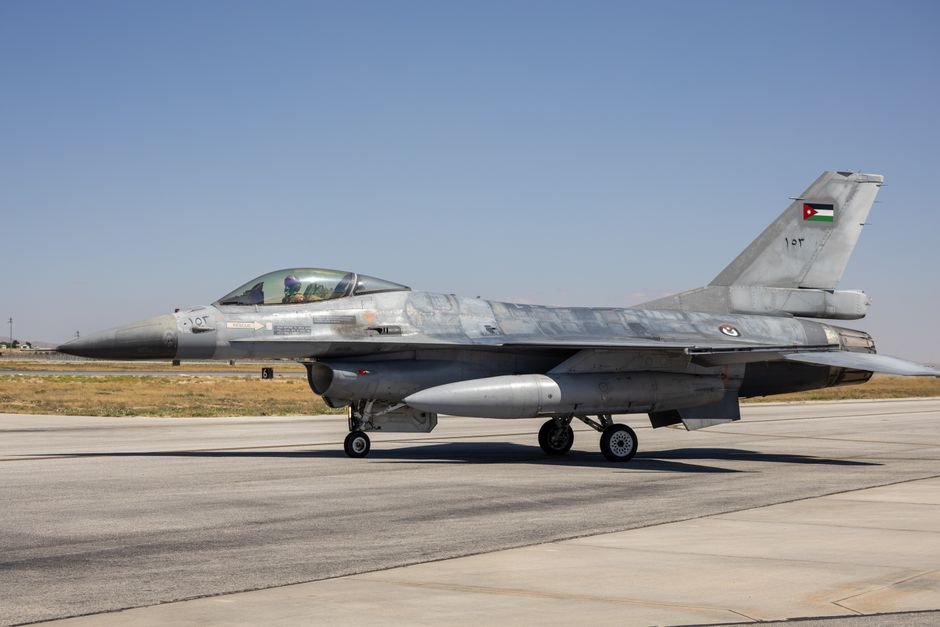
It’s hard to believe that the world is still grappling with outdated notions of sovereignty and territorial integrity in an age of global connectivity. Yet here we are, with Pakistan launching air strikes in Afghanistan that reportedly killed 26 individuals, reigniting tensions in a region that has been a powder keg for decades. This tragic incident highlights a dangerous reality in South Asia: the boundaries of nation-states are becoming increasingly irrelevant against the backdrop of internal strife and cross-border conflicts.
According to BBC reports, Pakistani military forces targeted areas in Afghanistan that they accused of harboring militants responsible for attacks inside Pakistan. This move marks a significant escalation in the fraught relationship between the two countries, which has often been characterized by a mix of suspicion, resentment, and a complex history of territorial claims.
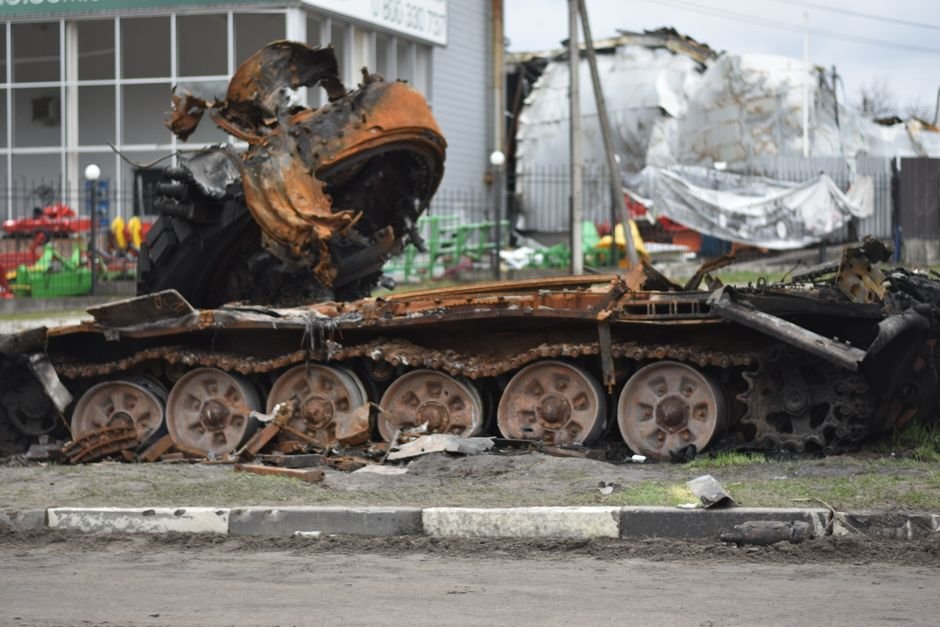
South Asia’s Tumultuous Landscape
The recent air strikes underscore a troubling trend in South Asia, where national borders are often seen as mere suggestions rather than hard and fast rules. The rise of militant groups operating in border areas has fed into a cycle of violence and retaliation that few seem capable of breaking. The Taliban’s return to power in Afghanistan has added a volatile element, complicating an already messy situation. Pakistan claims these strikes are a necessary measure to protect its sovereignty, yet they risk exacerbating the very problems they aim to solve.
This latest military action is emblematic of a region where governments often play a dangerous game of tit-for-tat, punishing perceived threats while inadvertently sowing more chaos. Neighboring countries are watching closely, many wondering whether they will find themselves in the crosshairs of similar aggression. The stakes are high; these air strikes could lead to a broader conflict as Afghanistan’s government, struggling for legitimacy, may respond with equal force, creating a vicious cycle of retaliation.
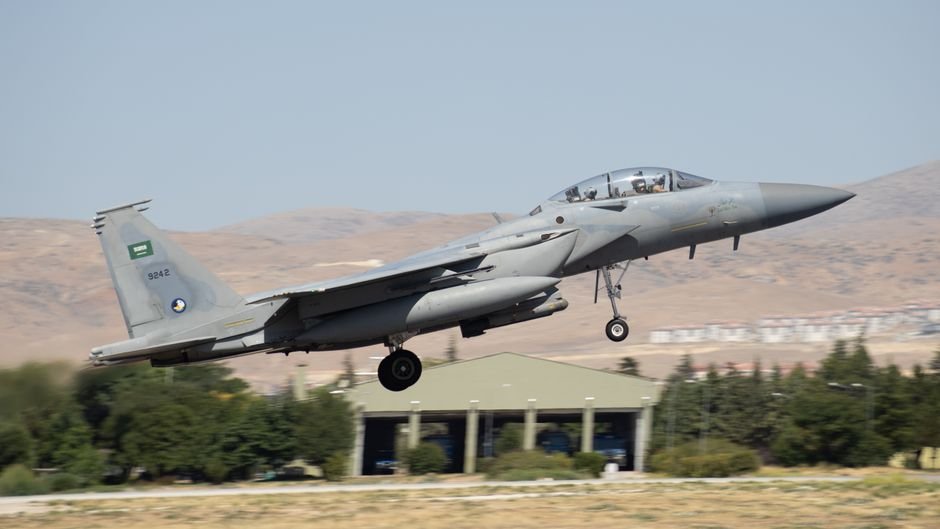
The High Stakes of a Fragile Peace
In analyzing the fallout from these air strikes, it’s clear that both Pakistan and Afghanistan stand to lose significantly. For Pakistan, this aggression could deepen its international isolation and heighten fears of an Afghan response. Meanwhile, Afghanistan’s government, already pressed between internal dissension and external threats, could lose even more support from a populace that is weary of conflict. The mainstream media might overlook the human toll in favor of political narratives, but the realities on the ground reveal a humanitarian crisis brewing against the backdrop of military aggression.
Moreover, the air strikes are likely to have ripple effects throughout South Asia. With India watching from the sidelines, the potential for any escalation involving Kashmir could turn this localized conflict into a far larger international crisis. The region’s geopolitics are like a game of Jenga; one wrong move could send the whole structure tumbling down. The world must pay attention; South Asia’s stability is too fragile to ignore, and the consequences of inaction could be dire.
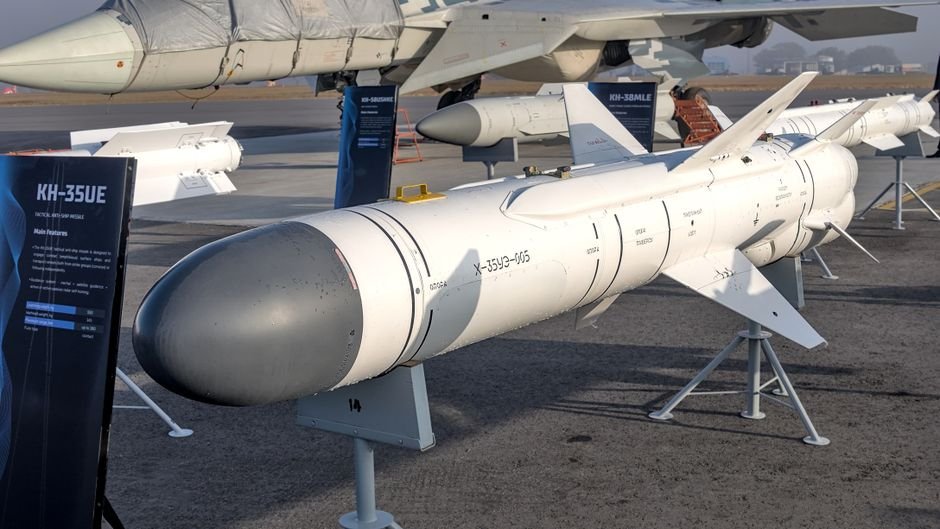
As we reflect on this latest episode of violence, we must ask ourselves: What are we willing to sacrifice for the sake of national pride, and at what point do we recognize that the old paradigms of sovereignty no longer serve the people of South Asia? The air strikes are more than just military maneuvers; they are a stark reminder that the region remains in a relentless grip of fear and conflict.
The clock is ticking, and if a serious dialogue does not emerge soon, the consequences could be catastrophic for millions. The question on everyone’s mind should not just be how many have died, but how far are we willing to go before we seek real solutions to the crises of South Asia?
Source: Google — South Asia