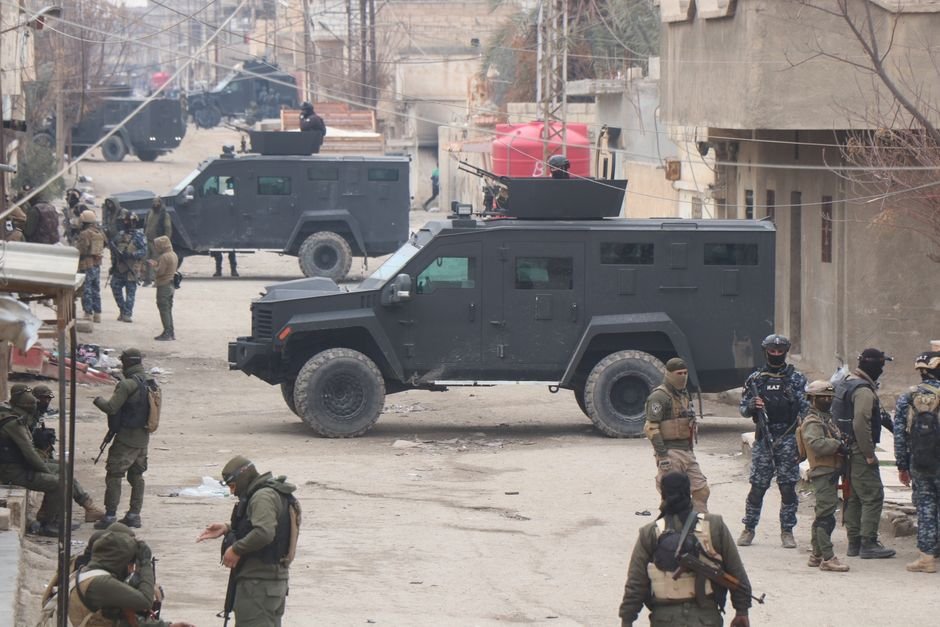
If you think the Middle East is on the brink of peace, think again. The latest confrontation underscores a reality we can’t afford to ignore: regional tensions are boiling over, and the U.S. is right in the crosshairs.
According to CENTCOM, U.S. forces successfully intercepted missiles and drones launched by Iran, thwarting what could have been another escalation in an already volatile region. This event highlights the intricate web of military engagement and geopolitical maneuvering that characterizes the Middle East today.
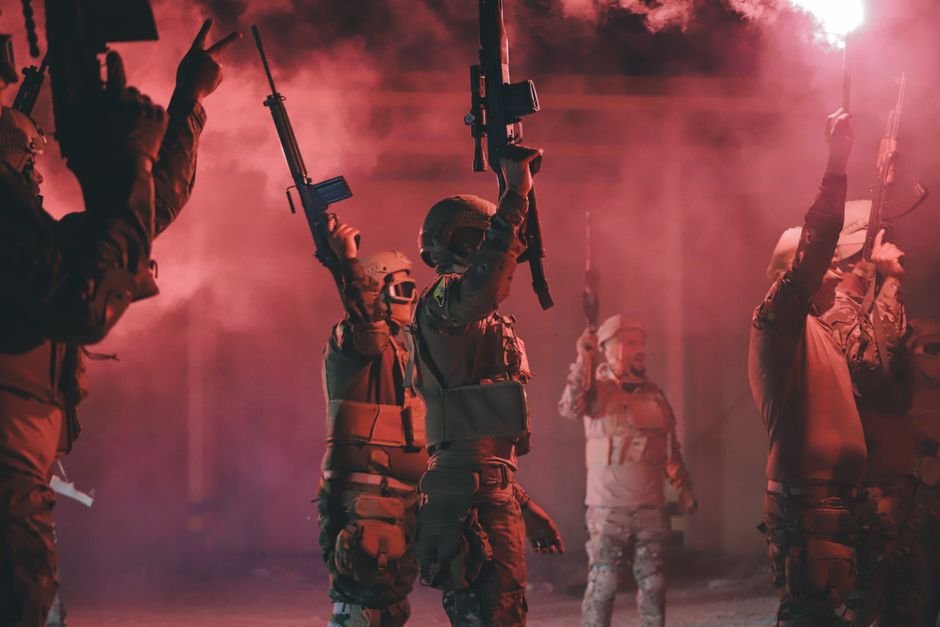
The Tensions of the Middle East Heat Up
Why does this matter? The Middle East has long been a hotbed of conflict, with Iran aggressively expanding its influence through proxy groups and direct military challenges. The U.S. presence in the region has been a double-edged sword; it aims to deter Iranian aggression yet often fuels more hostilities. Both Washington and Tehran are locked in a dangerous dance, with each misstep leading to potential catastrophe. The stakes are particularly high when one considers the ongoing crises in Syria, Iraq, and Yemen, where Iranian support for militant groups has destabilized entire nations.
In this latest incident, the U.S. military’s effectiveness in countering Iranian drone and missile technology is noteworthy. However, it’s essential to recognize that every intercepted missile is a reminder of how precarious the Middle East remains. The military victories are significant, but they are also symptomatic of deeper issues: the cycle of retaliation and counter-retaliation continues unabated.
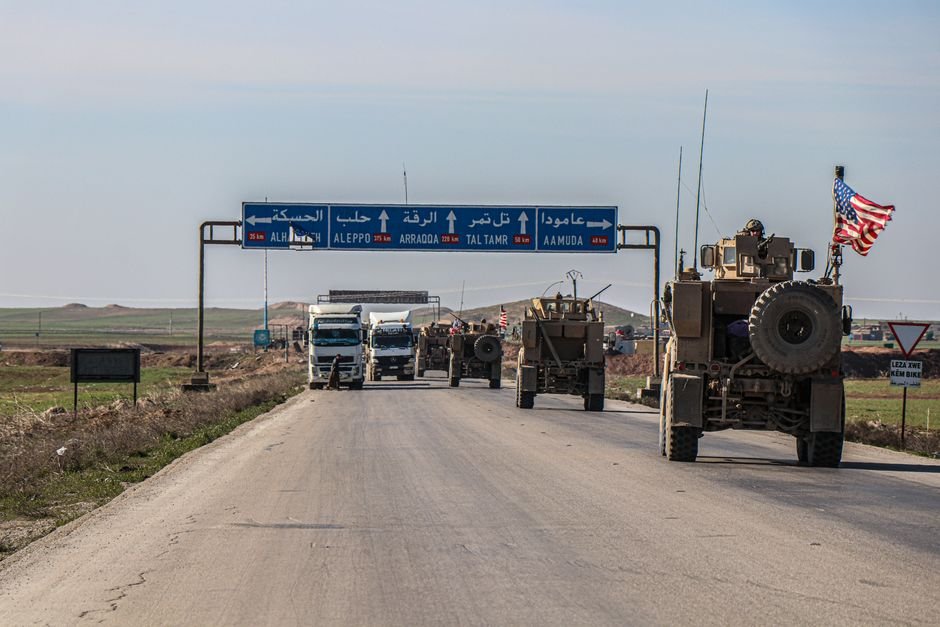
The Cost of Confrontation in the Middle East
So who actually wins in this scenario? Not the civilians in the Middle East, certainly. U.S. military victories may be lauded back home, but they rarely translate to stability on the ground. Instead, they sow seeds of hatred and resentment among the populations that bear the brunt of Western intervention. This brings us to a crucial point: while the U.S. can boast about its military prowess, the real loser is the notion of peace in the Middle East.
On the other hand, Iran’s continued aggression only serves to consolidate its position as a regional adversary. The more the U.S. flexes its muscle, the more Iran is likely to respond with increased hostility, leveraging its network of proxies to strike back. The mainstream narrative that paints a simple picture of good versus evil misses the complexity of local dynamics. Each missile fired is a reminder of a broader geopolitical chess game, with the civilian population stuck as pawns between larger powers.
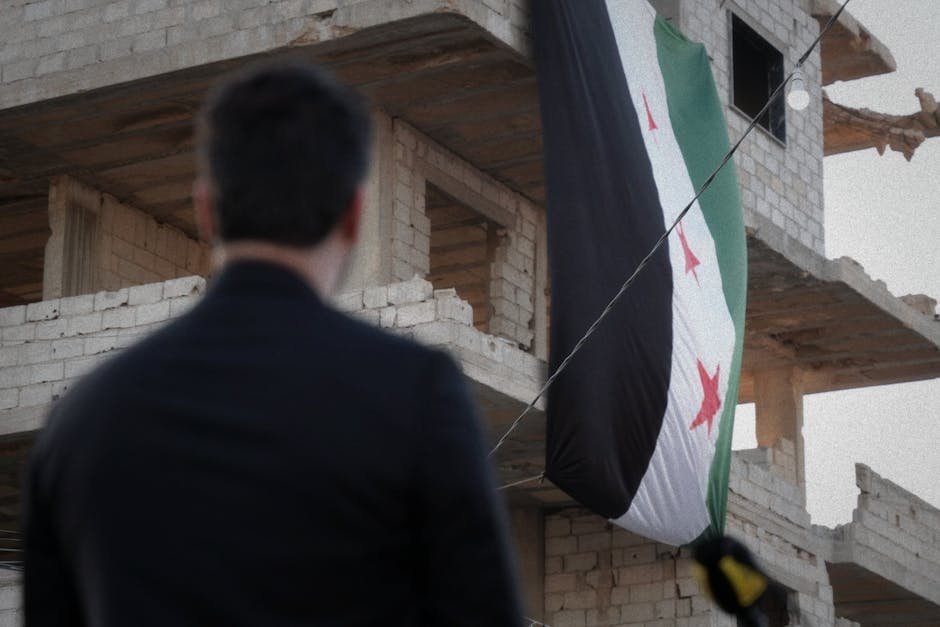
As this confrontation unfolds, one must wonder: what is the endgame? With both sides entrenched and unwilling to compromise, the potential for a larger conflict looms larger than ever. If the current trajectory continues, we may find ourselves on the brink of a new chapter of violence in the Middle East — one that neither side can truly claim to win.
In a world rife with uncertainty, one thing remains clear: as long as military might takes precedence over diplomacy, the cycle of conflict in the Middle East will continue. Are we prepared for what comes next?
Source: Google — Middle East