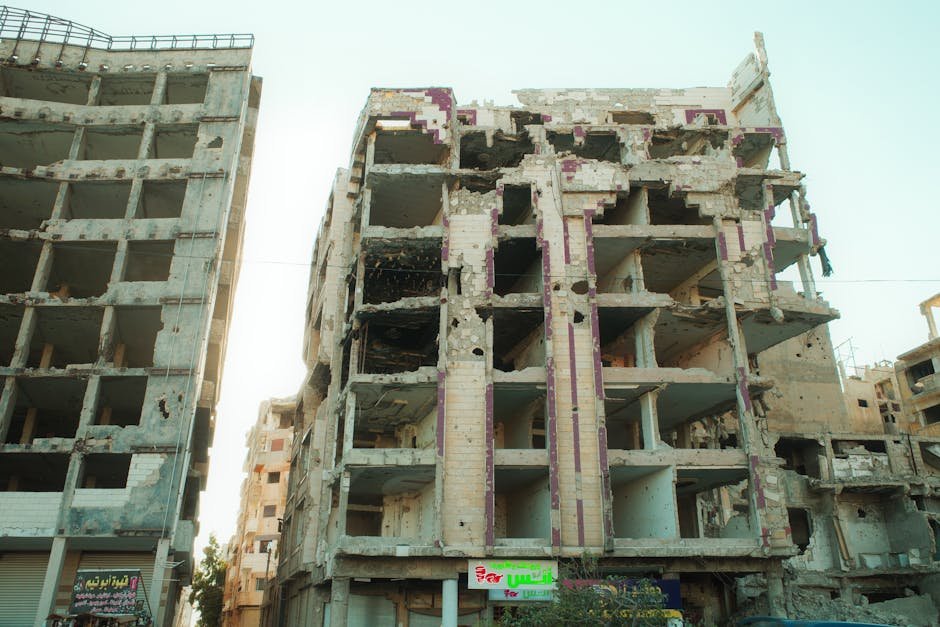
The Middle East is once again the epicenter of turmoil, and the world holds its breath. With the escalation of war in Iran, we are not just witnessing another regional conflict; we are looking at a seismic shift that will ripple through the global economy for years to come. A report from The New Yorker highlights the dire consequences of this conflict, and it’s a wake-up call for anyone who thinks the geopolitics of the Middle East don’t affect their daily lives.
According to The New Yorker, the war in Iran has begun to disrupt oil supplies, increase global inflation, and create instability in financial markets. The implications of this conflict are far-reaching, threatening the fragile recovery from the COVID-19 pandemic and exacerbating existing economic crises in various nations.
The Stakes in the Middle East
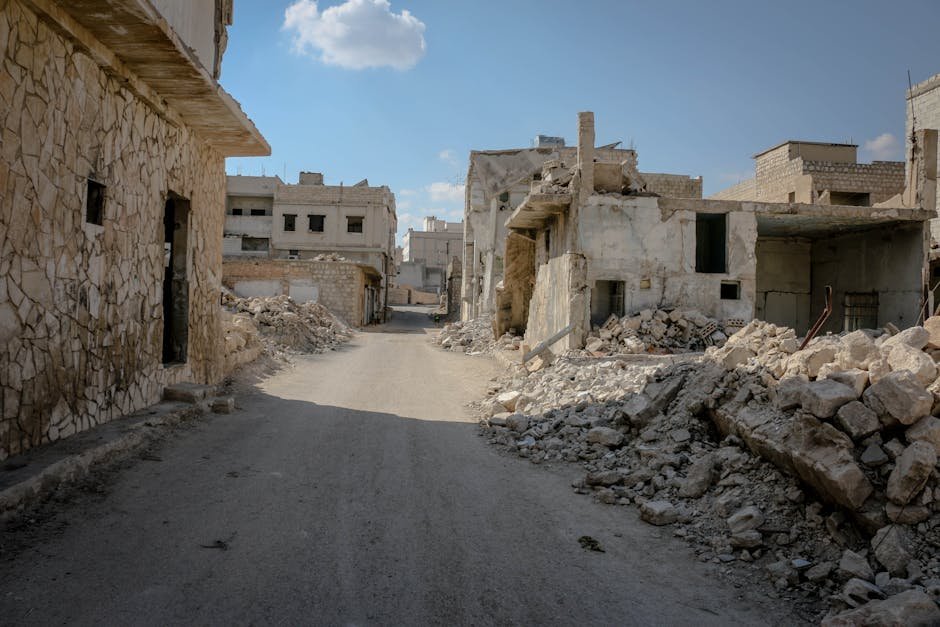
The Middle East has always been a powder keg, but with Iran at its center, the stakes have never been higher. Years of tension between Iran and Western nations, particularly the United States, combined with internal strife, have created a perfect storm. Iran’s influence over proxy groups in Iraq, Lebanon, and Yemen complicates the situation further. Every bomb dropped and every political maneuver made in this region has the potential to send shockwaves across the globe.
As global energy markets react, we’re seeing sharp fluctuations in oil prices, which are already a volatile factor in the world economy. Major economies like the US and Europe are looking nervously at their fuel supplies and the impact of rising prices on already burdened consumers. Countries reliant on Iranian oil, whether it be directly or indirectly, are facing a real crisis. This isn’t just about the Middle East; it’s about the interconnectedness of our global economy.
Who Wins and Who Loses?
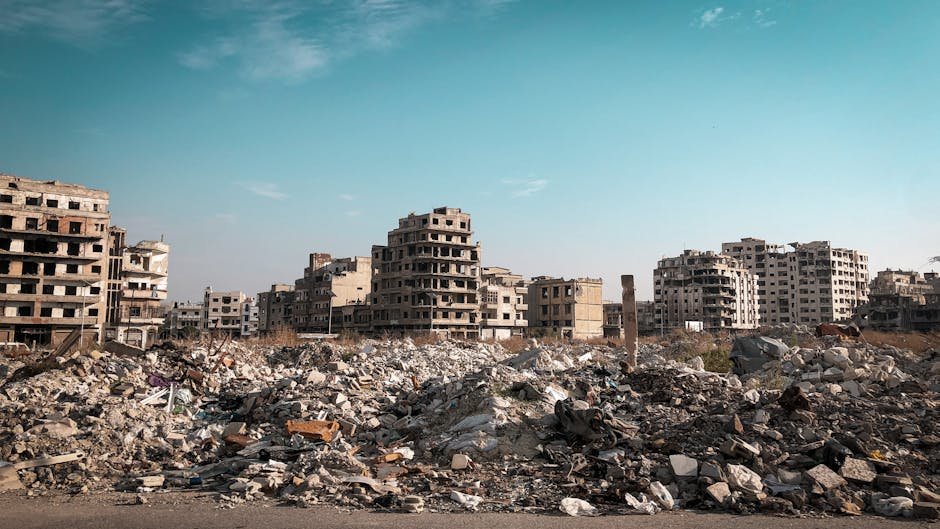
As the dust settles, the winners and losers of this conflict will become clearer. The immediate winner appears to be the oil-producing nations outside of Iran, who will likely fill the void left by decreased Iranian exports. However, this temporary gain could be overshadowed by long-term instability and the potential for retaliation against these countries by Iranian allies, who will not simply sit back and watch their patron fall.
On the other hand, the everyday consumer is the ultimate loser. As energy costs rise, every facet of the economy—from transportation to food prices—will feel the squeeze. Politicians will scramble to address public discontent, while economists will warn of an impending recession. Yet, the mainstream narrative often overlooks the human toll of conflict, relegating discussions to oil prices and stock market fluctuations. It’s essential to remember that behind these numbers lie the stories of families, lives disrupted, and futures upended.
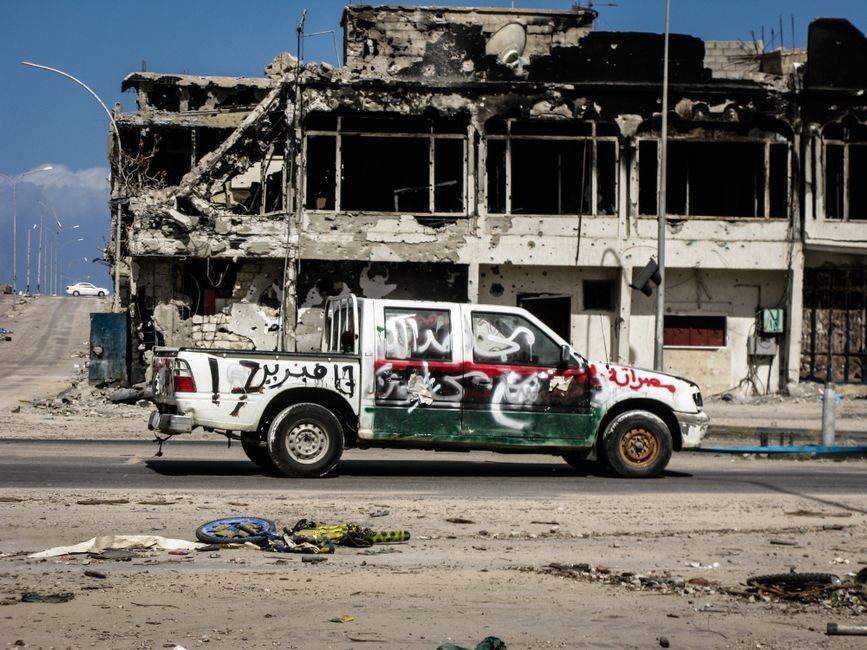
As this conflict unfolds, the potential for escalation into a broader war looms large. Miscalculations by any involved party could trigger a regional conflagration that pulls in global powers. This isn’t merely a Middle Eastern issue; it’s a potential flashpoint for World War III. If we’ve learned anything from history, it’s that wars rarely stay contained.
The Middle East continues to be a chessboard for global powers, with Iran at the center of this precarious game. Every move has implications that extend far beyond its borders. As citizens and consumers, we must demand more from our leaders—not just in terms of foreign policy but in addressing the economic consequences that bear down on us all.
What happens in the Middle East will reverberate for years to come, and the price of ignorance is steep. As the world watches, the need for vigilance has never been more pressing. Are we prepared for what’s to come? Only time will tell, but one thing is certain: the fallout from the war in Iran will leave its mark on the global economy far longer than anyone anticipates.
Source: Google — Middle East