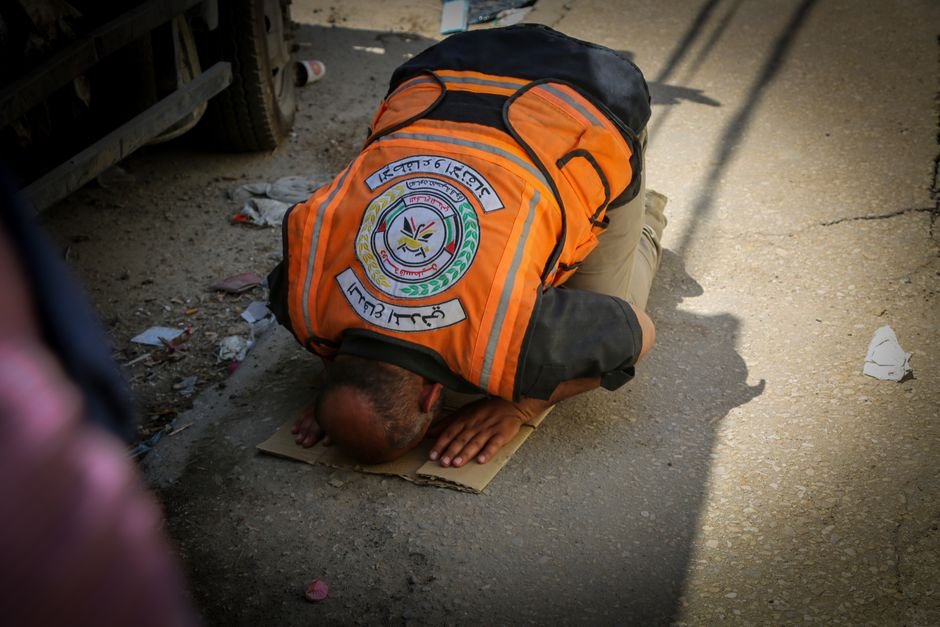
Fear has become the uninvited guest in every home across the Middle East, particularly in Gaza, where the rhythm of daily life is interrupted by the relentless sound of airstrikes. As Israeli attacks continue despite a declared ceasefire, one has to wonder: how much longer can this cycle of violence persist before it engulfs the entire region?
According to Al Jazeera, the situation in Gaza is deteriorating as a pervasive fear grips its inhabitants. Ceasefire agreements have failed to bring lasting peace, and civilians find themselves caught in a crossfire that seems to have no end.
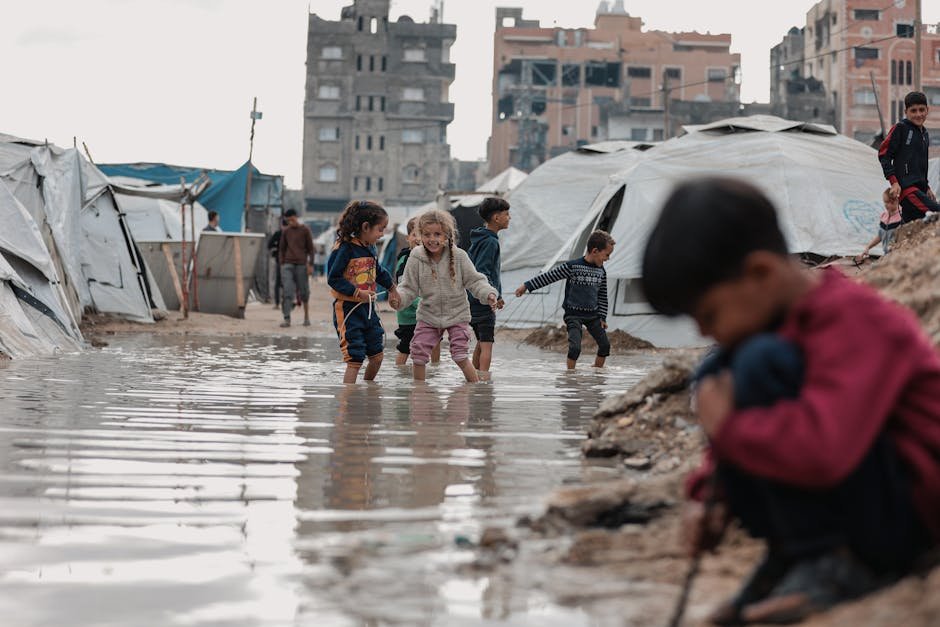
Gaza: A Flashpoint in the Middle East
This instability is not new; it’s part of a long history of conflict that pits the Israeli state against various Palestinian factions. The ceasefire, originally meant to stem the tide of violence, has proven to be a fragile commitment rather than a solid promise. With each new attack, both sides dig in deeper, fueled by centuries of grievances and political fallout. The world watches as humanitarian conditions worsen, with innocent civilians bearing the brunt of this endless cycle.
Why does this matter now? The Middle East is already a volatile theater, and the ongoing violence in Gaza could easily spill over into neighboring territories, exacerbating tensions in an already complex landscape. The players are numerous and their interests varied; from regional powers like Iran and Turkey to international actors such as the United States and Russia, everyone has a stake in the game.
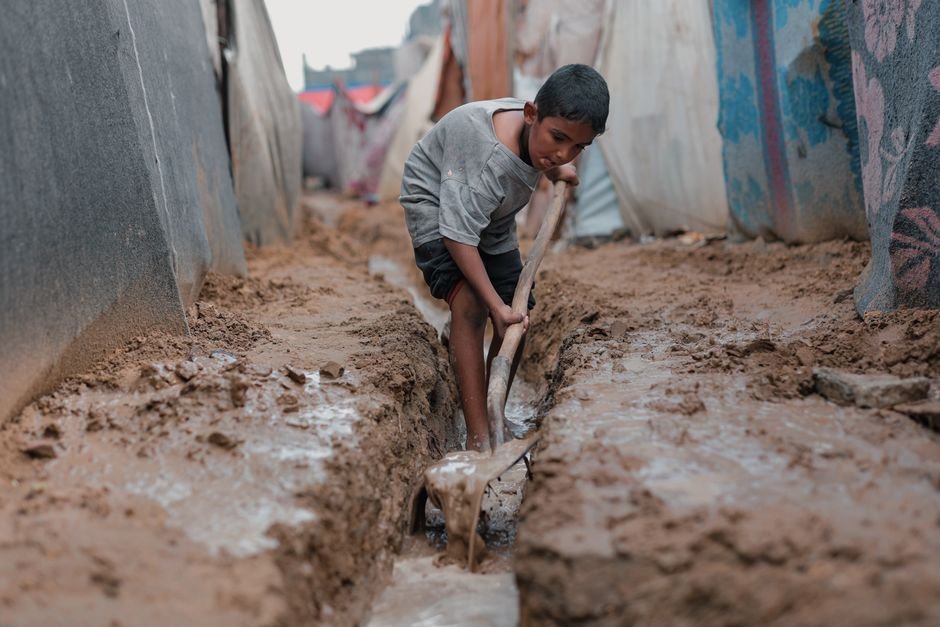
The Stakes of Ongoing Violence in the Middle East
What happens next is critical. If the Israeli government continues its military campaign while professing a commitment to peace, it risks alienating moderate voices within Palestinian society and the wider Arab world. Conversely, militant groups in Gaza, feeling cornered, may escalate their responses, leading to further bloodshed. This is a delicate balancing act, and the consequences of missteps could be catastrophic. The mainstream narrative often overlooks how much these decisions affect ordinary lives and how they ripple outwards into the broader Middle East.
Meanwhile, international response remains tepid. While global powers issue statements calling for restraint, little is done to hold either side accountable. The humanitarian crisis deepens, and everyday citizens are left to navigate the chaos of airstrikes, destruction, and fear. This is not just about Israel and Palestine; it’s about all of us who have a stake in the future of the Middle East.
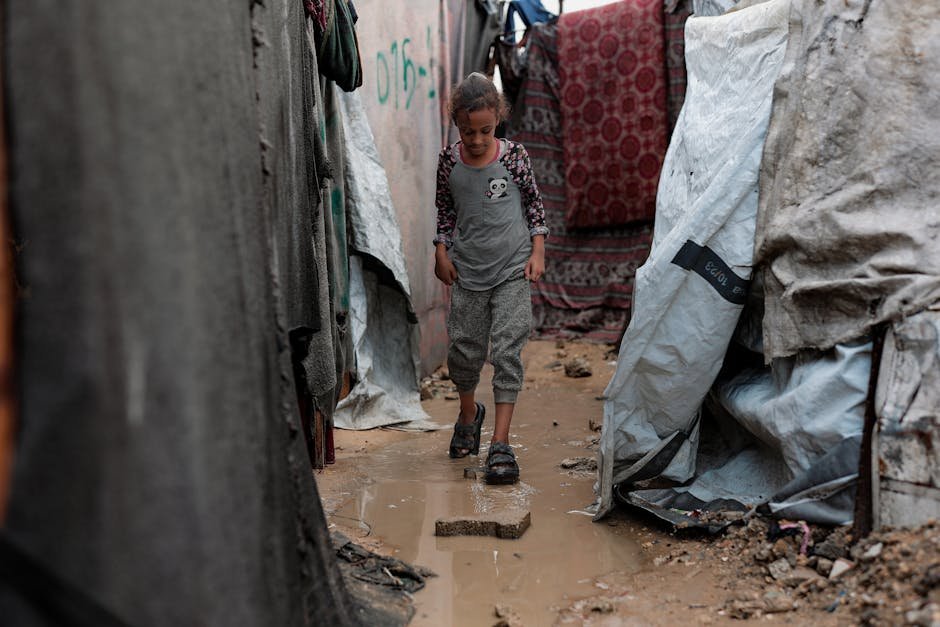
The conflict showcases profound hypocrisy, particularly among nations that preach about human rights. As they stand by, arms deals continue to flow, and civilian populations suffer. It begs the question: who are we really fighting for when political agendas overshadow real human lives?
The emergency in Gaza is a microcosm of the larger Middle East conflict, highlighting the urgent need for grassroots voices to rise amidst the din of politics. Perhaps it is time for a new approach—one that emphasizes reconciliation over retaliation, dialogue over division.
As this situation continues to unfold, one can’t help but wonder what it will take for the global community to finally act. Will it require another catastrophic event to jolt the world into action, or will leaders muster the courage to confront the uncomfortable truths that lie at the heart of this turmoil?
The Middle East is at a crossroads, and how we respond to Gaza’s plight will shape the future of the entire region. The clock is ticking; it’s time we pay attention before it’s too late.
Source: Google — Middle East