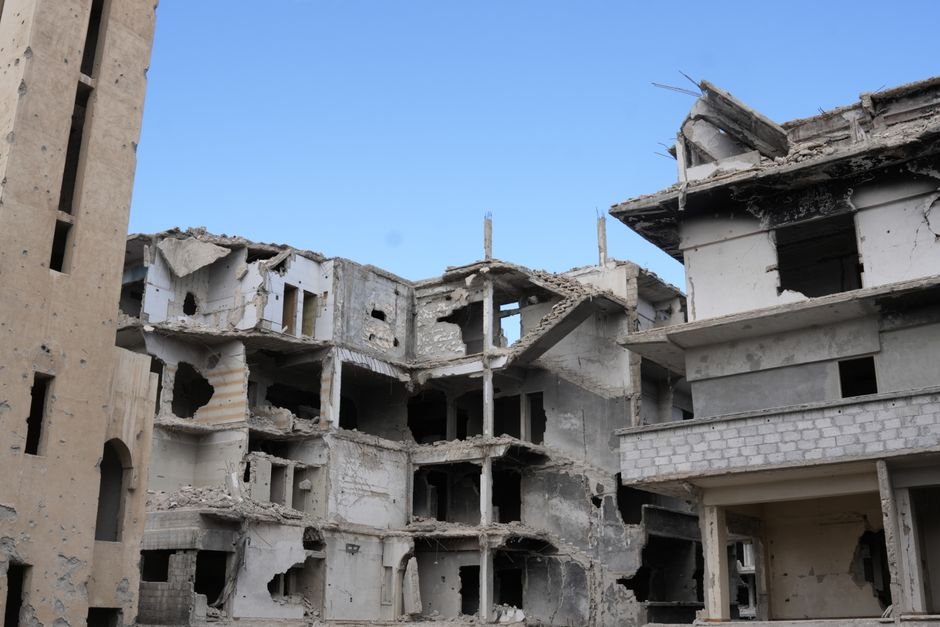
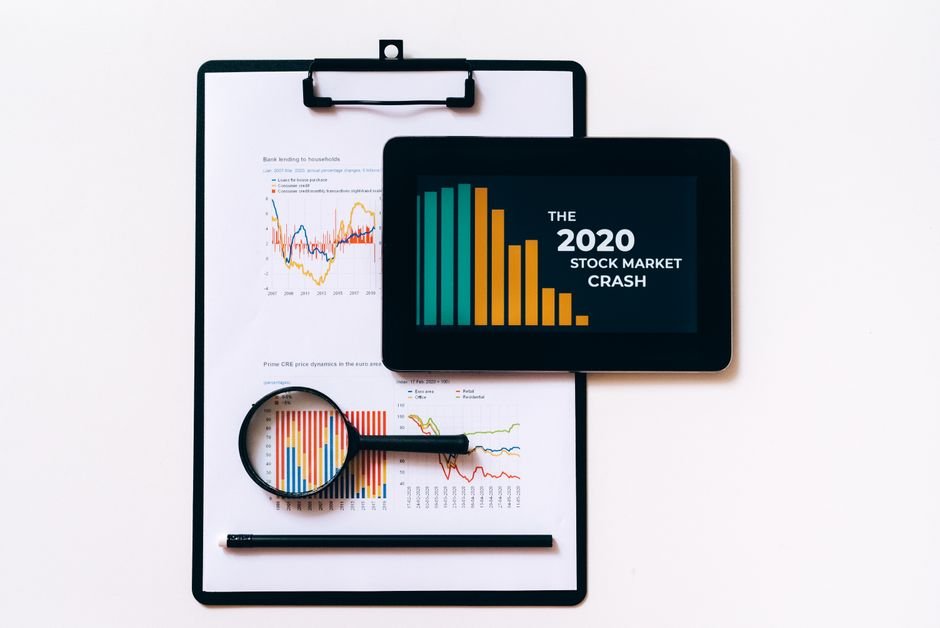
The fragile peace talks in the Middle East have hit a wall, and with it, so too has the stock market’s momentum. As investors grapple with uncertainty, the question looms: can the stakes get any higher for a region that has seen its share of conflict and turmoil?
According to Reuters, a notable drop in stocks coincided with the stalling of US-Iran peace negotiations. This turmoil comes on the heels of a cooling AI rally, leaving financial markets vulnerable and investors scrambling for stability.
The Stakes of Peace in the Middle East
The Middle East is more than just a geopolitical chessboard; it’s a powder keg that the world has been forced to keep an eye on for decades. The current impasse in US-Iran talks isn’t just a setback for diplomatic relations; it’s a potential catalyst for wider instability. The players are well-known: the US, Iran, and regional partners like Saudi Arabia and Israel. Each has a stake in the outcome, and the ramifications of failure extend far beyond their borders.
In a world still reeling from the economic aftershocks of the pandemic, the markets’ sensitivity to these geopolitical developments has never been more pronounced. Investors had hoped for a breakthrough that could usher in a new era of cooperation in the Middle East, but with talks stalled, optimism is waning. The immediate future looks rocky, as the specter of conflict looms larger with each passing day.
The Financial Fallout: Who Wins, Who Loses?
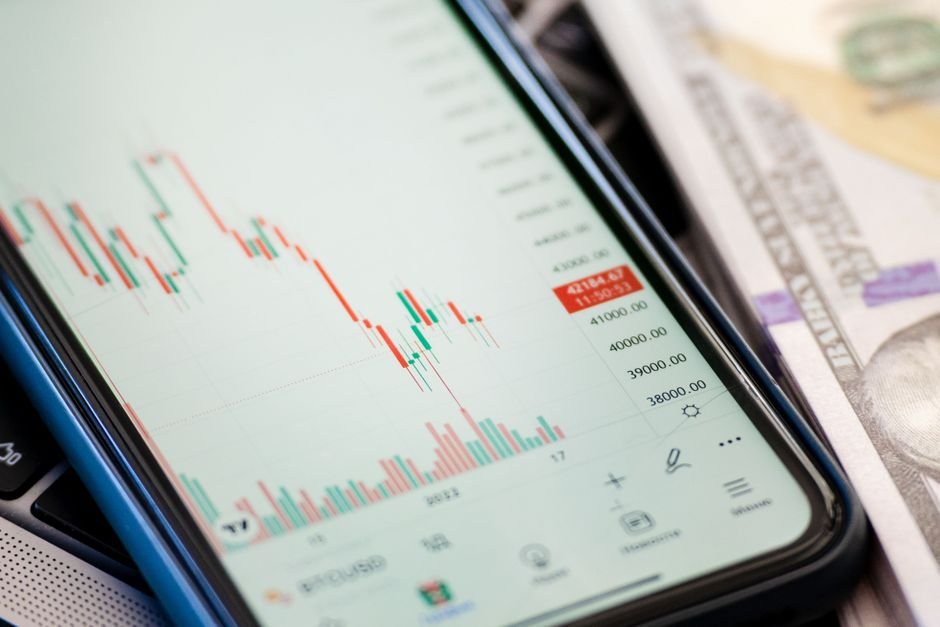
So where do we go from here? The implications of stalled peace talks in the Middle East are multi-faceted. On one hand, those companies that benefit from geopolitical stability—like energy firms and defense contractors—are left in uncertainty, with their stocks likely to suffer in the short term. On the other hand, those who thrive on volatility, like hedge funds that specialize in crisis investing, might position themselves to gain from the chaos.
However, this isn’t just about profit margins; it’s about people. The everyday citizen in both the US and Iran feels the weight of these geopolitical tensions. As stock prices slide and economies falter, the average individual grapples with the real-world consequences: rising prices, job insecurity, and a bleak outlook for the future.
The mainstream media tends to focus on the macroeconomic implications, but there’s a human element that cannot be ignored. The narrative often sidelined is the lived experience of those caught in the crossfire of these decisions. As peace talks stall, ordinary lives hang in the balance, and that’s a perspective that should command our attention.
The situation in the Middle East is precarious at best. As markets respond to the lack of progress, the ripple effects touch every aspect of life from Wall Street to Tehran’s bazaars.
As we stare down the barrel of potential conflict, one question remains: will we ever learn that true stability comes not from military might or political maneuvering but from genuine dialogue and understanding? The answer may well determine the future of the Middle East—and the world.
Source: Google — Middle East