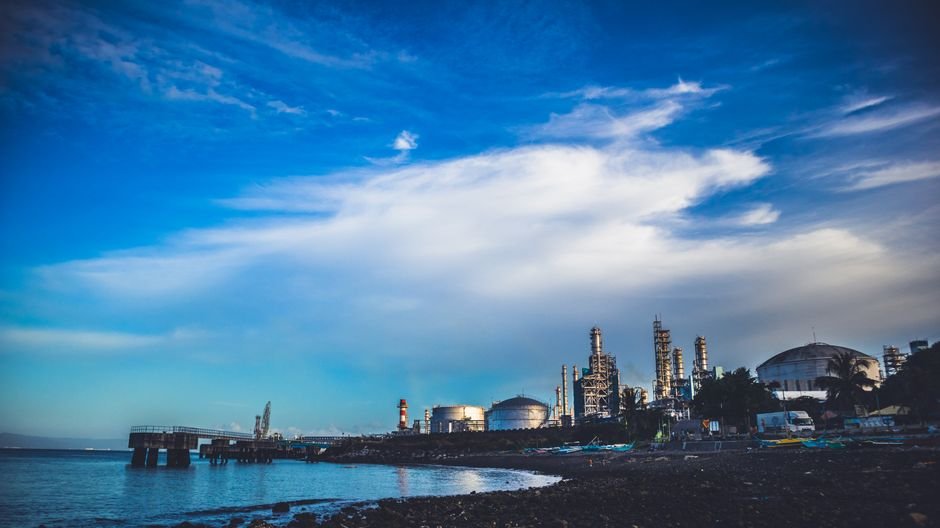
The geopolitical chess game in South Asia just got a little more complicated. With Venezuela’s oil making a push to penetrate India’s energy mix, one must wonder: can this once-isolated oil behemoth carve out a permanent niche in a region already fraught with tension and intrigue?
According to the BBC, Venezuelan Oil Minister Delcy Rodríguez has made a case for solidifying ties with India, promoting Venezuelan oil as a viable energy source for the South Asian giant. This comes as India looks to diversify its energy supply in the face of fluctuating global markets and a growing reliance on fossil fuels.
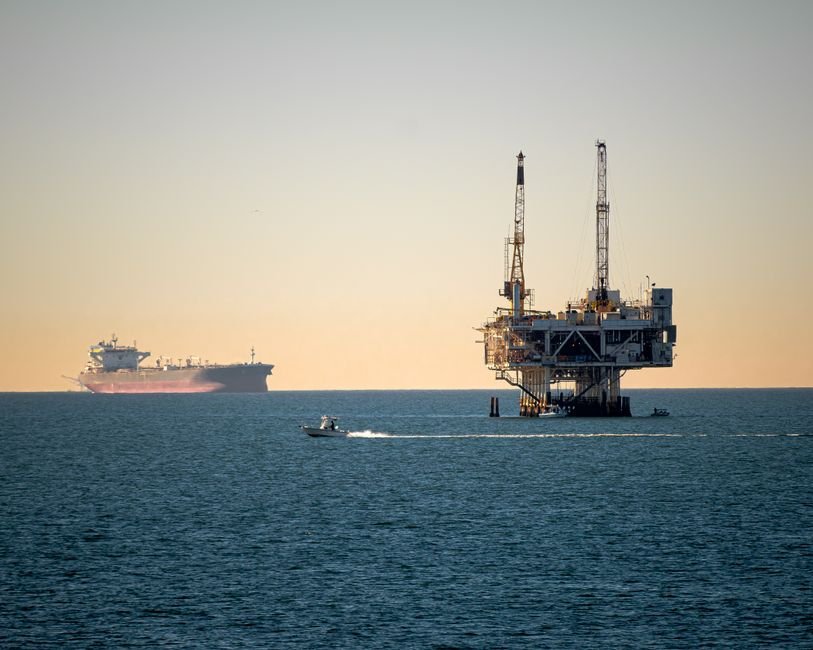
The South Asia Energy Landscape
Now is a pivotal moment for South Asia’s energy independence. As countries in the region grapple with the dual pressures of energy security and climate change, India is seeking alternatives to lessen its dependency on traditional suppliers. Venezuela, long burdened by sanctions and political upheaval, is eager to revitalize its oil industry. Rodríguez’s overtures represent not just a business opportunity, but a strategic pivot for both nations.
However, this partnership is not without its complexities. India shares historical ties with the United States, which has imposed sanctions on Venezuela due to its human rights abuses. Aligning with Venezuela might risk India’s relations with Washington, complicating its diplomatic landscape. The stakes are high, and the choices made now could ripple throughout South Asia.
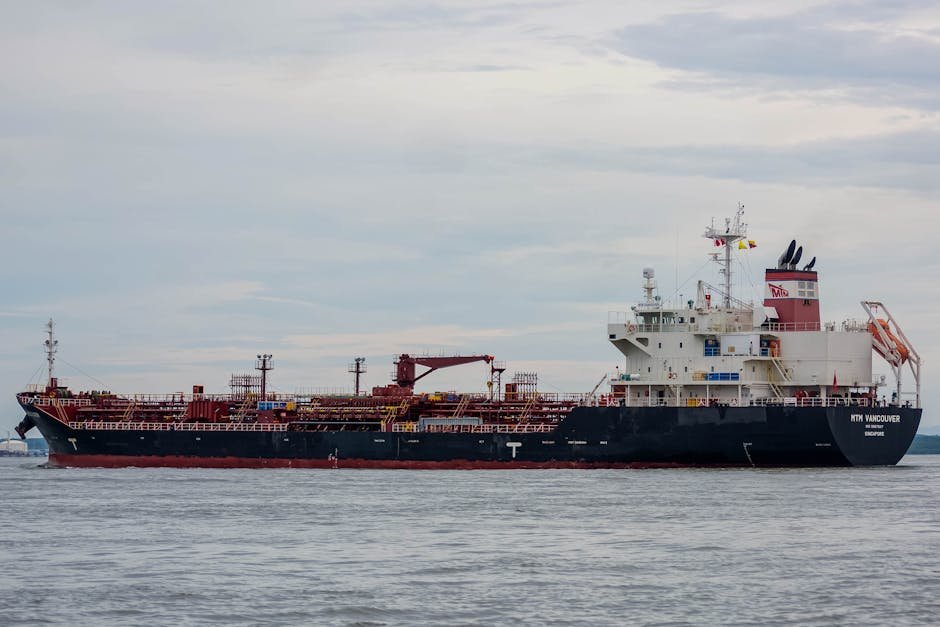
Who Wins and Who Loses in this Oil Deal?
The potential win for Venezuela is obvious: a lifeline in the form of revenue and international partnerships. For India, the allure of Venezuelan oil lies in its abundance and the possibility of favorable terms that might not be available elsewhere. However, the implications of this partnership extend beyond mere economics.
The mainstream narrative often overlooks the risks involved. Engaging with a state under U.S. sanctions could invite backlash not only from Western powers but also from regional competitors. Pakistan, for example, could view this move as a provocation, causing a ripple effect in an already volatile area. Furthermore, India’s ambitious renewable energy goals could be undermined by an overreliance on fossil fuels, potentially stalling the momentum needed for a green transition.
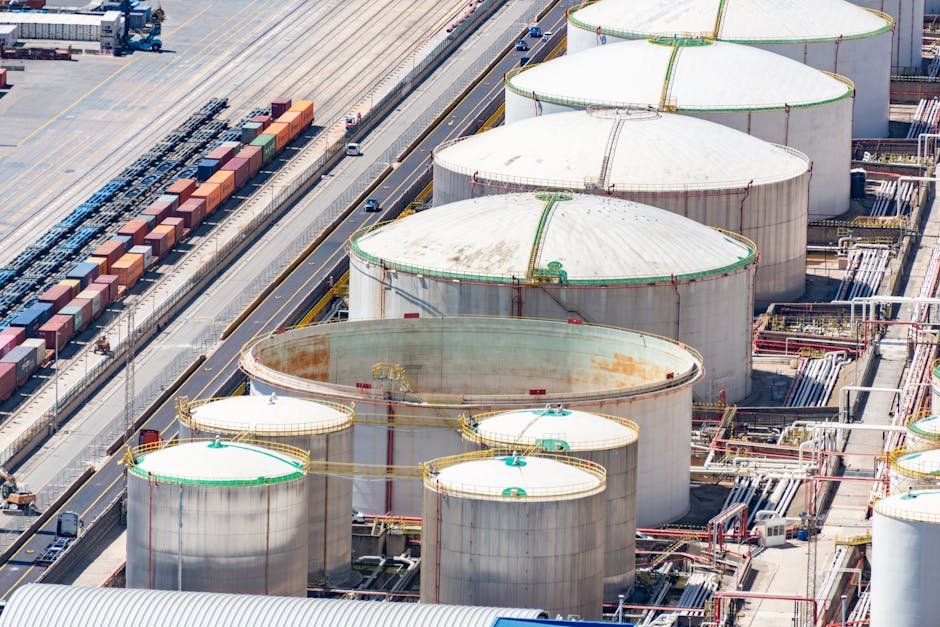
As India becomes a more prominent player in the energy market, the decisions it makes will shape the future of South Asia. The challenge will be maintaining a balance between diversifying energy sources and ensuring that these choices do not alienate key allies or derail long-term goals for sustainability.
In this game of oil and alliances, one must ask: will India prioritize short-term gains over the long-term implications of its choices? Or will it chart a course that strengthens both its energy security and its global standing? The answers lie in the intricate dance of diplomacy, economics, and the ever-looming specter of conflict in South Asia.
Source: Google — South Asia