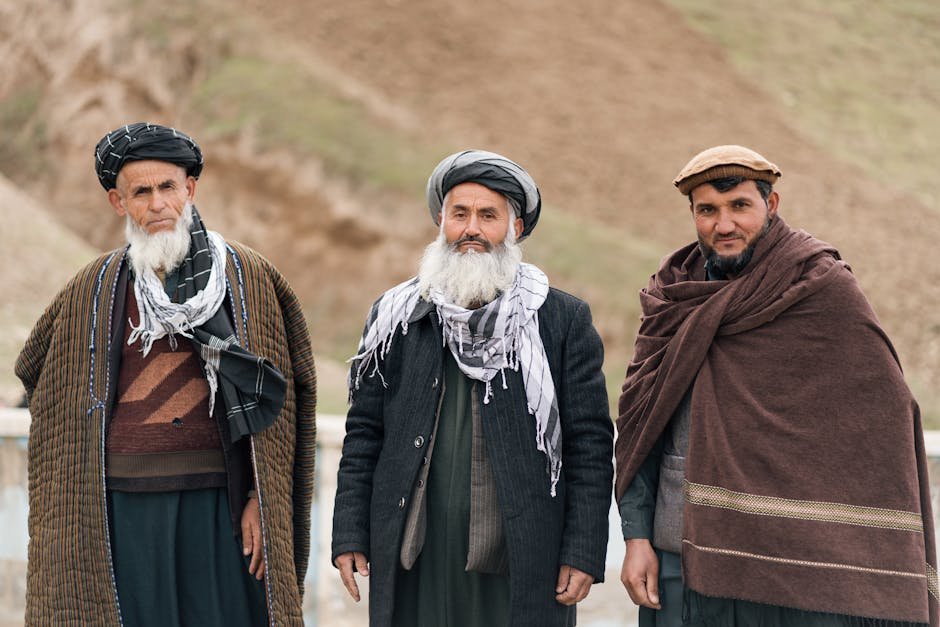
The ongoing conflict between Pakistan and Afghanistan is not just a local issue; it’s a gaping wound in the heart of South Asia. Why are two neighboring nations with a shared history still embroiled in violence? The answer is as complicated as the tangled web of politics, ethnicity, and power struggles that defines the region.
According to The New York Times, tensions have flared recently due to border disputes, militant activities, and the Taliban’s rise to power in Afghanistan. These factors have reignited historical grievances, leaving both nations at an impasse.
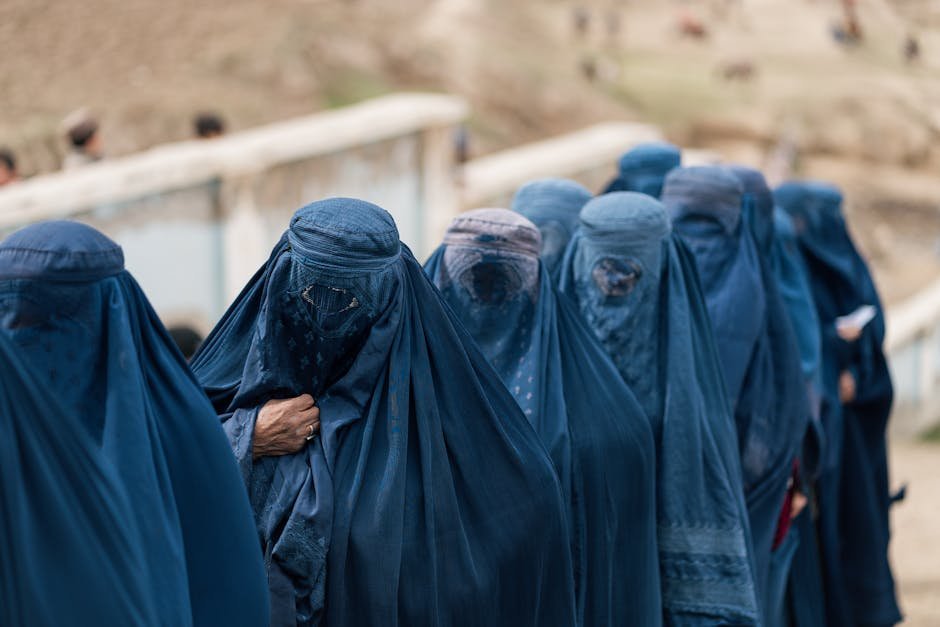
Understanding the South Asia Tension
The roots of the Pakistan-Afghanistan conflict run deep, entangled in decades of political strife and military engagements. The recent Taliban resurgence has thrown a wrench into any hopes for stability, giving rise to fears in Pakistan about a potential spillover of violence. As the two nations navigate this dangerous terrain, their complicated relationship is further exacerbated by ethnic divisions and foreign influence, particularly from other regional powers. The security situation in South Asia hangs by a thread, and every misstep could plunge the region into chaos.
This conflict matters now more than ever. As both countries grapple with internal instability and the specter of terrorism, the stakes are incredibly high. Innocent civilians bear the brunt of this ongoing turmoil, while military leaders and political elites play a dangerous game of chess that threatens the lives of millions.
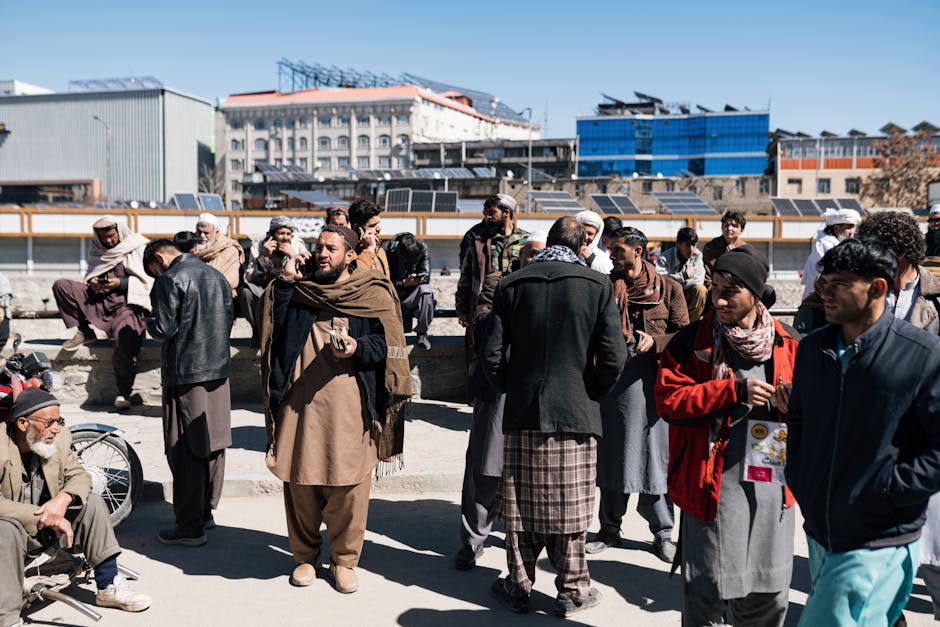
The Stakes of Conflict and Security in South Asia
The real losers in this never-ending struggle are, without a doubt, the civilians caught in the crossfire. On one hand, Pakistan is trying to secure its borders and assert control over its territories. On the other hand, Afghanistan is grappling with its own identity crisis post-Taliban takeover. Both countries have much to lose if they continue down this path of confrontation.
What is perhaps most troubling is the mainstream media’s tendency to gloss over the human cost of this conflict. While headlines scream about military operations and diplomatic talks, they often ignore the families torn apart by violence and the communities living under constant fear. This lack of empathy could lead to a deeper cycle of revenge and retribution.
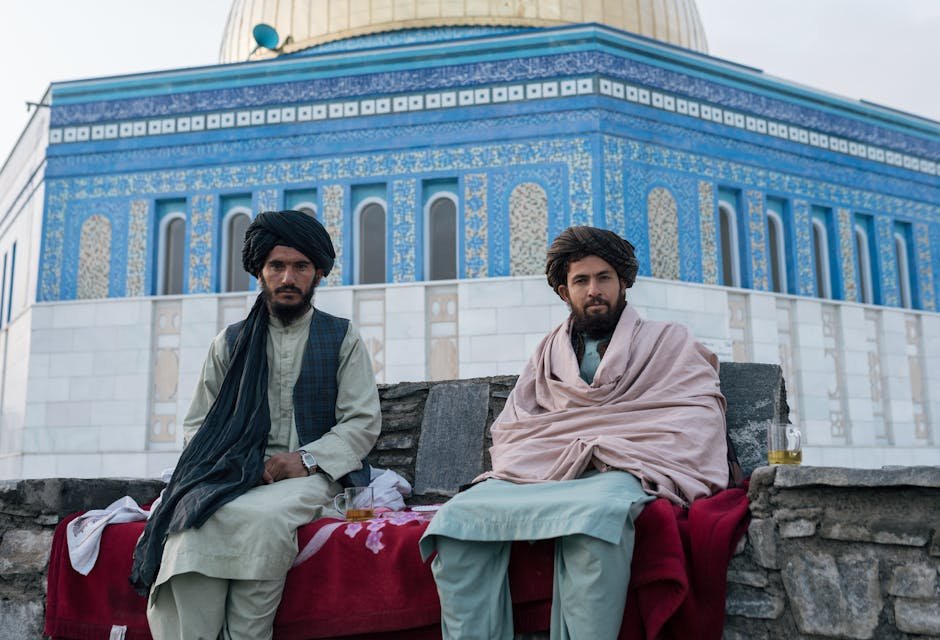
In this tangled mess, there are no easy solutions. However, one thing is clear: if the powers that be do not prioritize genuine dialogue and conflict resolution, South Asia will continue to be a battleground instead of a region striving for peace and prosperity.
As we look ahead, one must ask: how many more lives will be lost before sanity prevails? The time for decisive action and compassionate understanding is now, or we might find ourselves witness to a far worse tragedy unfolding in South Asia.
Source: Google — South Asia