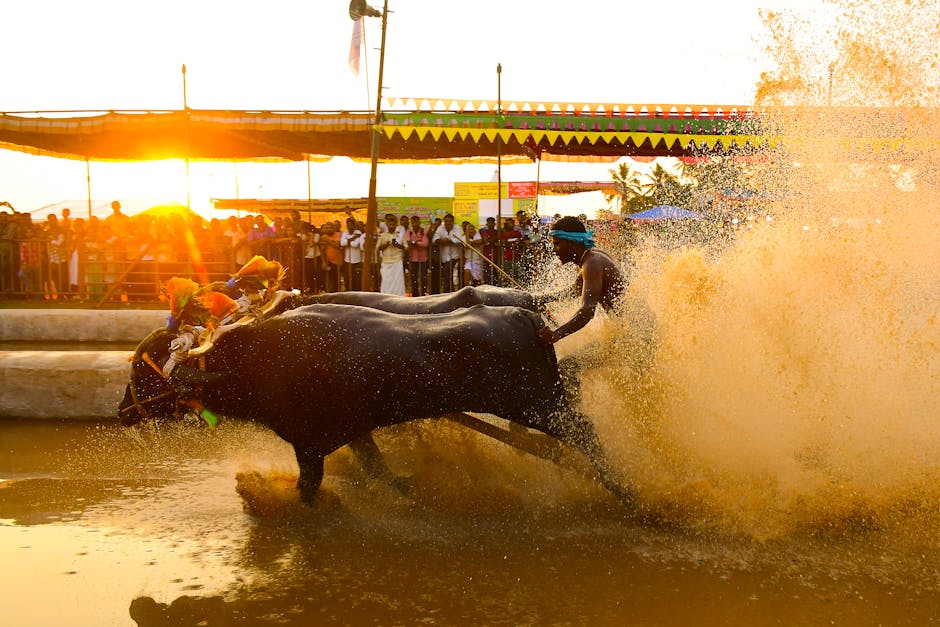
If you think the ridiculousness of the world stopped with political figures in tailored suits, think again. A buffalo named ‘Donald Trump’ has become an unexpected animal celebrity in South Asia after being spared from sacrifice during Eid, thanks to his viral fame. Yes, you read that right—amid the serious issues facing this region, a bovine is hogging the spotlight.
According to NBC News, this particular buffalo was destined for the Eid feast but gained a reprieve when social media users in Bangladesh rallied to save him, captivated by his name and sheer size. The image of this hefty creature, adorned with a snug blue headband, got the internet buzzing, and it seems that the connection to the infamous ex-president may have played into this quirky twist of fate.
Why This Viral Fame Matters in South Asia
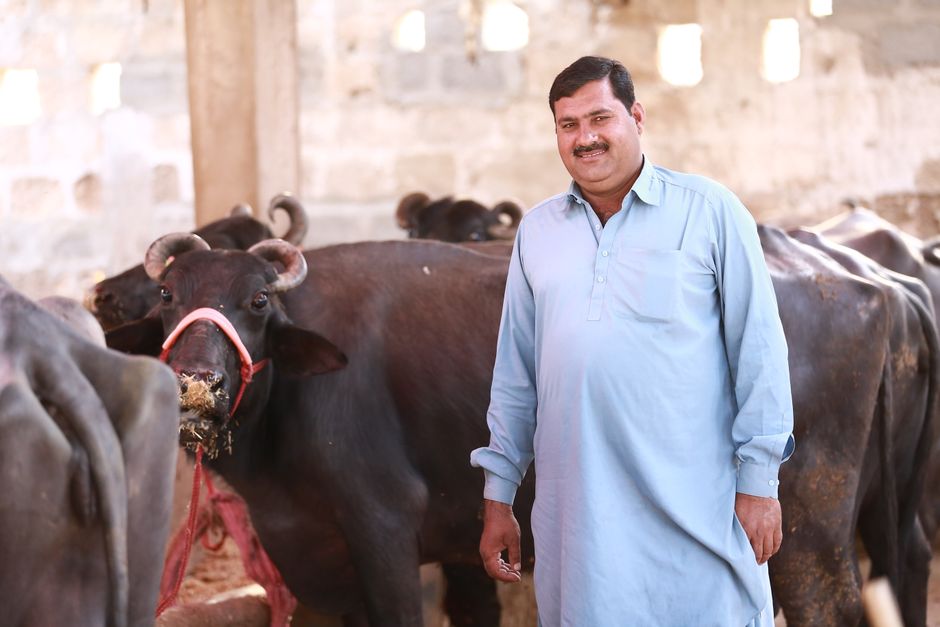
In South Asia, where Eid al-Adha represents a significant religious observance with a focus on sacrifice, the spectacle of a buffalo named ‘Donald Trump’ being spared tells us more about societal values than it does about livestock. Historically, Eid has been about community and sharing, yet here we stand, promoting an animal instead of upholding tradition. This incident reflects not just the power of social media, but also the absurdity of how celebrity culture can intersect with deeply rooted rituals. In a region grappling with poverty, political unrest, and humanitarian crises, this story serves as a distraction, but an oddly poignant one at that.
The naming of the buffalo also reveals the global influence of American politics, even in rural South Asia. It underscores a curious blend of respect, mockery, and fascination that many have with figures like Trump. The fact that a hefty, grass-chewing animal can become a symbol of hope—or a comedic relief—strikes a notable contrast with the serious conflicts and socio-political tensions roiling in the background.
Analyzing the Consequences of Viral Fame
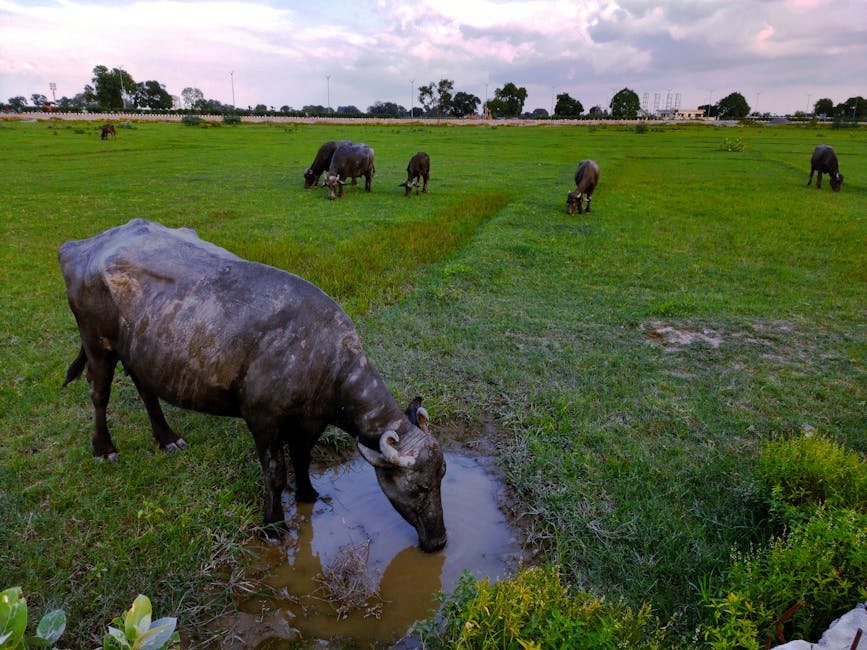
The real question here isn’t just about saving a buffalo; it’s about what this says about the state of affairs in South Asia. While the region has pressing concerns over war, migration, and diplomacy, a viral buffalo garners more attention than many serious issues. Who benefits from this distraction? The young social media users who rallied to save ‘Trump’ might consider themselves champions of animal rights, but what are they inadvertently sidestepping?
In a world where genuine advocacy can go unnoticed, this light-hearted distraction might dilute more significant discussions about animal welfare or ethical consumption. On the other hand, could this be a gateway for more profound conversations about tradition versus modernity? The risk is that this moment of viral fame could overshadow real activism and issues that matter.
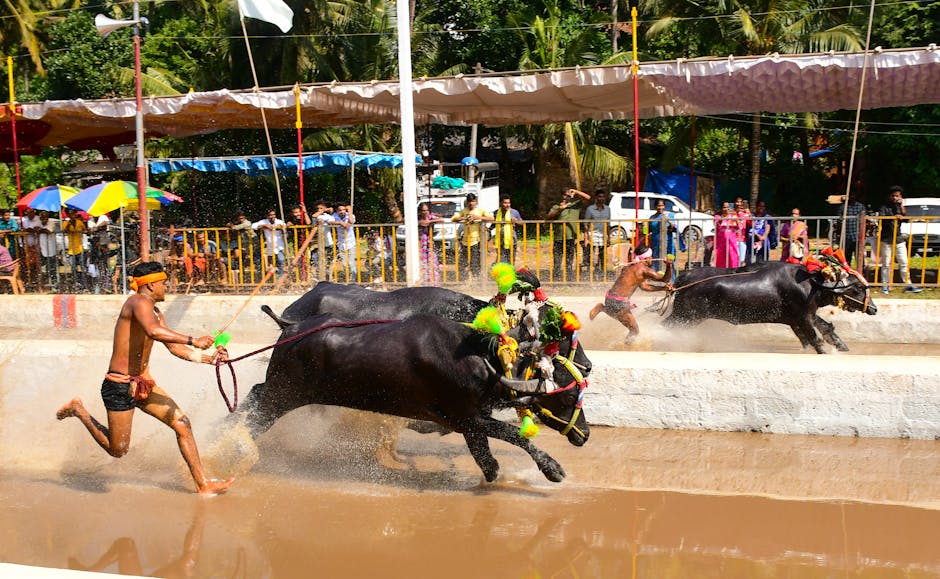
Amid all the chaos and conflict, it almost feels refreshing to see a buffalo become a viral sensation. Yet, we must not forget the much darker realities that plague South Asia. As we chuckle over Donald Trump the buffalo, let’s not let the laughs mask the hard work that remains, nor the waves of conflict threatening the lives of millions.
So, what does the fate of a buffalo really say about us? In a time where conflict and security define everyday life in South Asia, let’s hope it’s not just another example of misplaced priorities, but rather a moment that reminds us to engage more deeply with the world around us—one tweet at a time.
Source: Google — South Asia