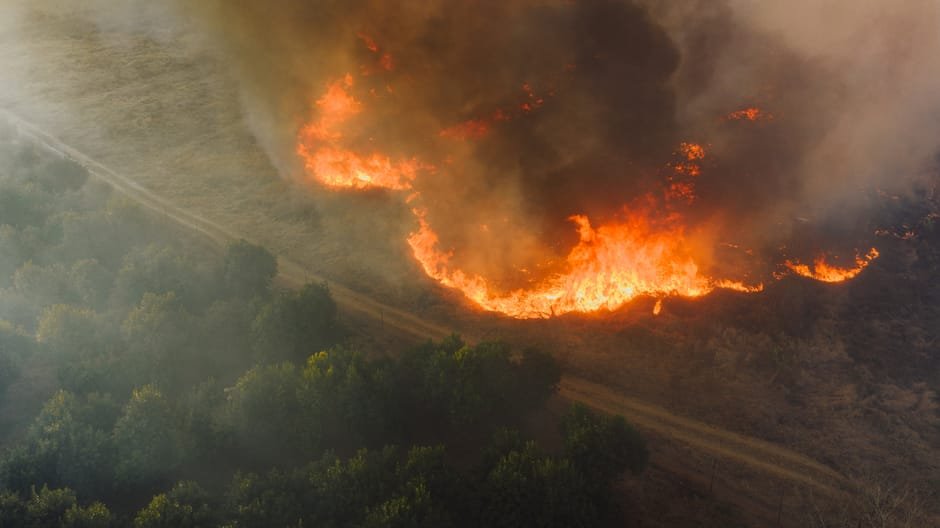
In the searing heat of South Asia, a warning from Prime Minister Modi has emerged, but let’s be real: how many more warnings do we need before we wake up to the crisis at hand? As summer temperatures soar, residents are left wondering if political rhetoric can rise to match the urgency of climate change.
According to DW.com, Modi has issued a stark reminder of the dangers posed by rising temperatures, urging citizens to remain vigilant against heat waves. This warning comes as extreme weather events become more common and deadly across the region, affecting millions.
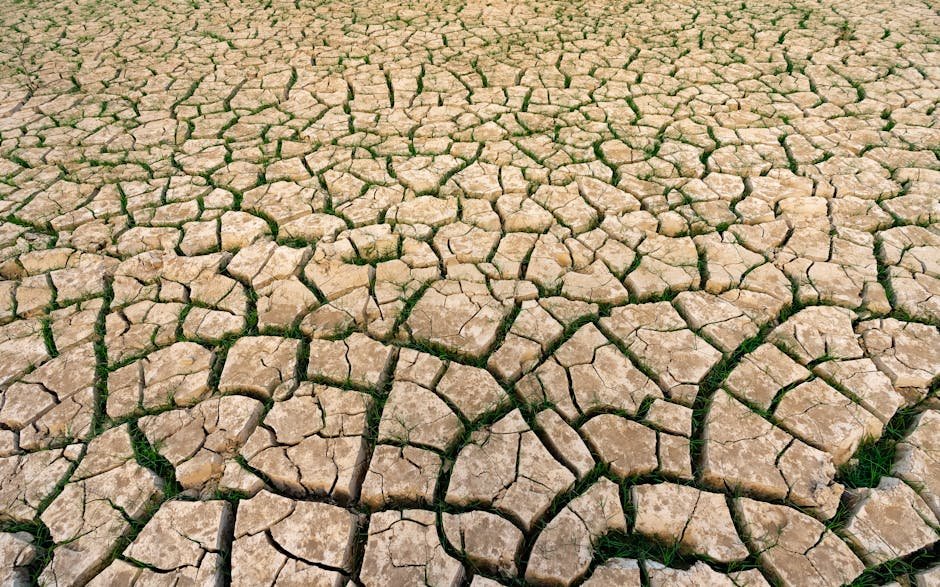
The Heat Is On in South Asia
This warning matters because we are in a pivotal moment for South Asia. The region, already grappling with an array of crises, from political instability to economic challenges, is now facing a climate emergency. Over the past few decades, as global temperatures have climbed, South Asia has seen an alarming increase in heatwaves, which are becoming a regular feature of summer life. The players in this story are not just Modi and his government but also the millions of citizens, farmers struggling to maintain their livelihoods, and health systems that are often underprepared for climate-induced emergencies.
Moreover, with India’s urban areas already choking on pollution and infrastructure crumbling under pressure, the added burden of extreme heat threatens to throw the country into chaos. What’s particularly disturbing is the lack of comprehensive action from both the government and the international community to address these escalating risks. Yes, Modi’s warning is a step in the right direction, but is it enough?
Who’s Winning and Who’s Losing in the Heat of the Moment?
The unfortunate truth is that while Modi sounds the alarm, real systemic changes are lagging. The winners in this scenario? Those who have the means to adapt—wealthy citizens who can afford air conditioning and access to clean water. The losers? The marginalized communities who will suffer the most from heat-related illnesses and food insecurity.
Failure to act decisively not only leads to immediate suffering but also jeopardizes long-term stability in South Asia. As temperatures climb, so does the likelihood of exacerbating social unrest. The mainstream narrative often overlooks this looming crisis, focusing instead on momentary political victories or economic statistics. Yet, if we don’t address the root causes of climate change now, it will come back to haunt us in the form of skyrocketing healthcare costs, decreased agricultural production, and ultimately, an increase in poverty.
The stakes couldn’t be higher; this isn’t just a seasonal issue, but a fundamental question of survival for many. If Modi’s government doesn’t pivot from mere warnings to actionable policies, we could see a wave of disenfranchisement and desperation across the subcontinent.
As we watch South Asia grapple with these extreme weather events, one thing is clear: it’s time for leaders to turn rhetoric into action. Will Modi’s warning be the wake-up call needed for a region at grave risk, or just another soundbite drowned out by the heat? The clock is ticking, and the heat wave is just the beginning of a much larger storm we cannot afford to ignore.
Source: Google — South Asia