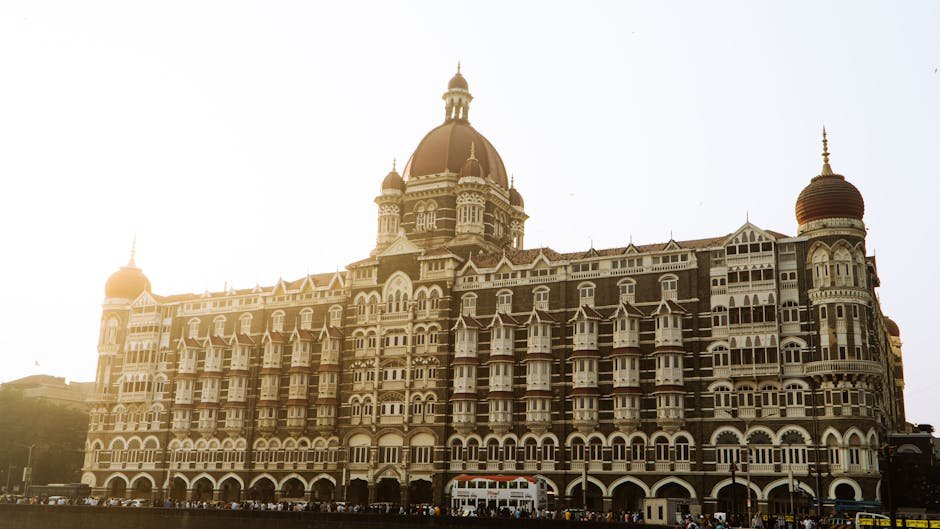
In a region rife with conflict, the question looms: can South Asia rise above its turbulent past to embrace a brighter future? Recent events have underscored the fragility of peace, particularly with the ongoing disruptions stemming from the Iran war. According to CNBC, India’s Prime Minister Narendra Modi is now making a bold appeal to leverage these disruptions to boost India’s hospitality sector.
The Context of South Asia’s Instability
The hospitality sector in South Asia has always been a double-edged sword, teetering between opportunity and adversity. With the Iran war causing upheaval in the region, tourism—a key revenue driver for many South Asian nations—is under siege, presenting both challenges and openings. Modi’s push comes at a pivotal moment, as the instability in neighboring countries could divert tourists to Indian shores. However, the stakes are high; if India fails to capitalize on this moment, it risks further alienating itself from the very global community it seeks to engage.
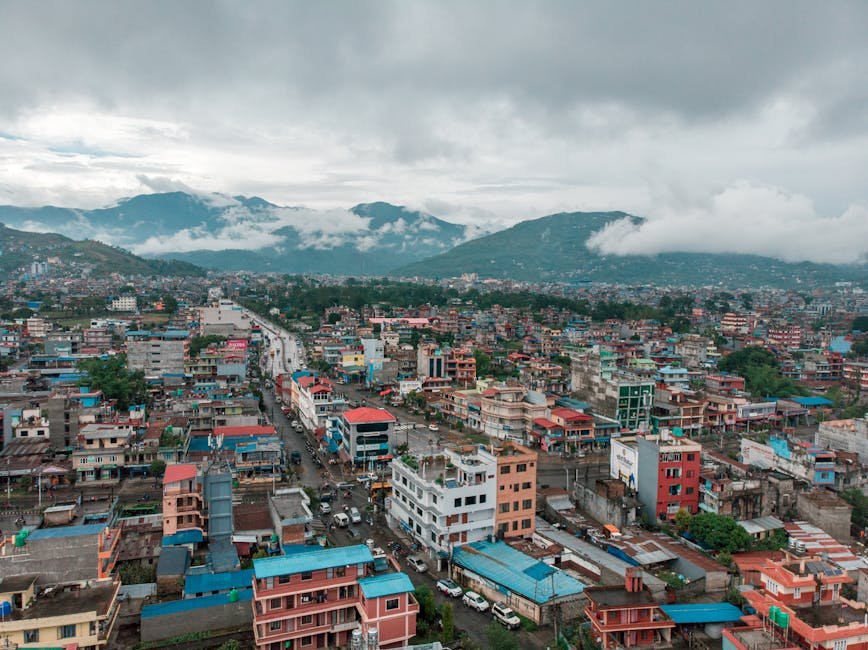
Modi’s initiative to enhance India’s hospitality sector isn’t just about boosting numbers; it’s about transforming how South Asia is perceived globally. For years, the region has been synonymous with conflict rather than culture or hospitality. By repositioning India as a safe and attractive destination amidst regional turmoil, Modi hopes to reshape the narrative.
The Stakes for South Asia
This strategy could pay off handsomely, but it’s not without its pitfalls. Who benefits from Modi’s attempts to rejuvenate the hospitality sector? In the short term, urban centers like Delhi and Mumbai may see an uptick in tourism, but rural areas could be left in the dust, exacerbating existing inequalities. The hospitality industry thrives on investment, and without proper infrastructure and safe environments, that investment might evaporate as quickly as it appears.
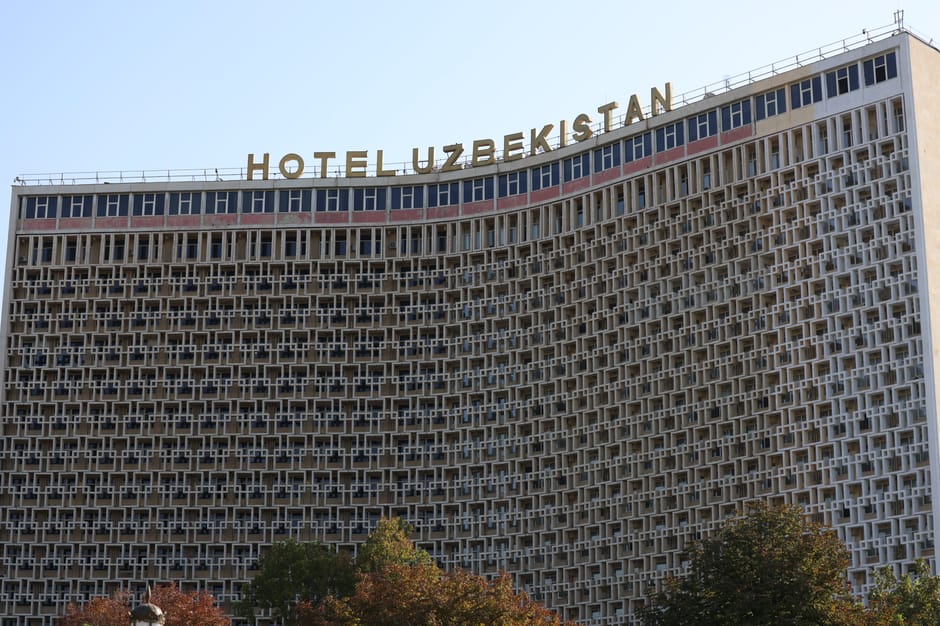
Moreover, there’s an inherent risk in tying economic fortunes to the conflicts of neighboring countries. With geopolitical tensions flaring up, the South Asian hospitality sector could become a pawn in a larger game of international diplomacy. This delicate balancing act between capitalizing on conflict and ensuring long-term sustainability could easily slip from Modi’s grasp.
While the allure of increased tourism is tempting, it would be naive to overlook the underlying issues plaguing South Asia. There are real concerns regarding security, local infrastructure, and the impact on communities that are often overshadowed by the glittering prospects of profit. Failure to address these concerns could lead to a backlash against foreign tourists, damaging the very sector Modi is trying to uplift.
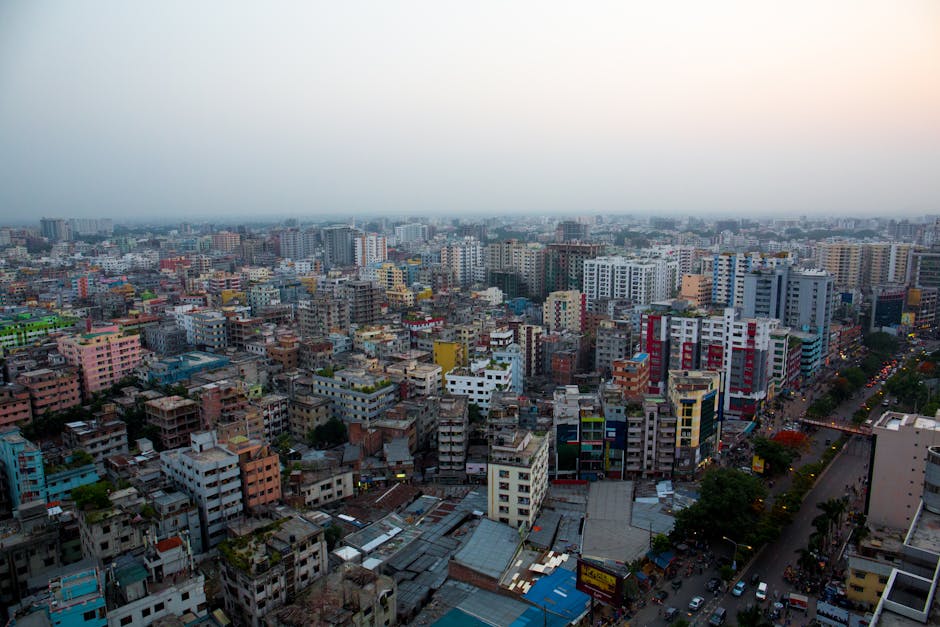
As tensions in South Asia continue to rise, Modi’s gamble on the hospitality sector could either usher in a new era of prosperity or plunge the region deeper into chaos.
In the end, South Asia stands at a crossroads. Can Modi’s vision of a burgeoning hospitality sector withstand the storm of conflict and instability? The answer may ultimately depend on whether South Asia can foster more than just tourism—whether it can promote a genuine culture of peace that encourages visitors to stay longer than just a fleeting moment. The clock is ticking, and the world is watching.
Source: Google — South Asia