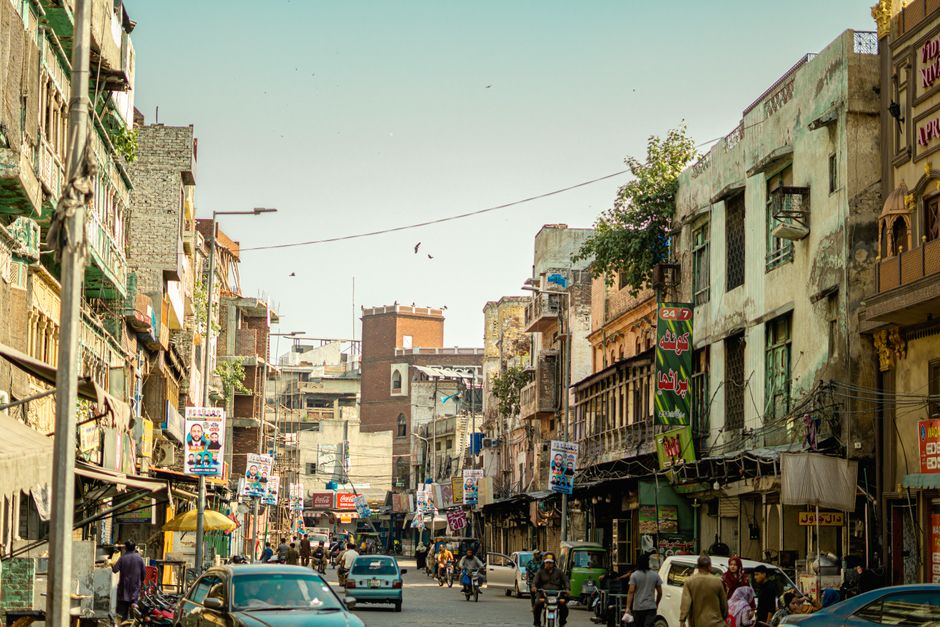
The headlines scream “News” but the reality behind today’s tragedy in Pakistan is anything but a fleeting headline. A suicide bomber ripped through a police checkpoint, leaving at least a dozen dead and dozens more maimed, while the Pakistani Taliban (TTP) proudly claimed responsibility.
DW News reports that the blast hit the checkpoint near the town of Khar, a strategic choke‑point on the route to the tribal areas. An emergency services spokesman warned the death toll could climb as the wounded continue to be treated in overcrowded hospitals.
Why This News Matters
The incident is more than a grim statistic; it is a flashpoint that illuminates the fragile security architecture of Pakistan’s north‑west. For years, the state has waged a relentless campaign against the TTP, yet the insurgents keep proving they can strike where the state feels safest – at its own police outposts. The timing is crucial. Islamabad is currently negotiating a tentative cease‑fire with Afghan factions, hoping to stabilize the border that has long served as a safe haven for militants. A fresh wave of violence threatens to derail those diplomatic overtures and push the region back into a spiral of retaliation.
Moreover, the attack exposes a deeper technological gap. While the Pakistani military has invested heavily in drone surveillance and AI‑driven threat analysis, the insurgents continue to exploit low‑tech tactics that evade sophisticated monitoring. In fact, security analysts note that the very tools meant to predict attacks – algorithms fed with “news” feeds, satellite imagery, and social‑media chatter – often stumble when militants resort to sudden, human‑operated suicide missions. The result is a paradox: cutting‑edge AI sits side‑by‑side with a battlefield still dominated by simple explosives and desperate individuals.
The human cost also reverberates beyond the immediate casualties. Families in the region already bear the weight of displacement, poverty, and a chronic lack of medical infrastructure. A surge in wounded patients strains already scarce resources, forcing hospitals to triage under fire and leaving many survivors with lifelong disabilities. The ripple effect reaches schools, markets, and the informal economy, where every loss translates into a loss of labor and a rise in fear‑driven migration.
Hot Take: Who Gains and Who Loses
The TTP’s claim of responsibility is a calculated move to reassert relevance after a period of relative quiet. By targeting a police checkpoint, the group sends a clear message: state authority is porous, and any compromise in security can be exploited for propaganda. This narrative fuels recruitment, especially among disenfranchised youths who see the attack as a bold stand against a government they perceive as corrupt and ineffective.
On the other side, the Pakistani government suffers a credibility blow. Its counter‑terrorism narrative, heavily marketed through state‑run news outlets, promises a “war on terror” that is increasingly at odds with the ground reality. Each new casualty erodes public trust and provides political ammunition for opposition parties that argue Islamabad’s strategy is outdated and overly militaristic. The fallout may also ripple into the upcoming provincial elections, where security is a top voter concern.
Internationally, the incident could reshape foreign aid dynamics. Western donors, already wary of human‑rights abuses in the name of counter‑terrorism, may tighten conditions on military assistance. Meanwhile, regional powers like China, which has poured billions into the China‑Pakistan Economic Corridor, might pressure Islamabad to deliver a more stable environment for its infrastructure projects. Failure to contain the TTP could jeopardize those investments, prompting a reevaluation of risk assessments.
Technology firms are not immune to the consequences either. Companies that supply surveillance hardware and AI analytics to Pakistani security forces find themselves on a thin line between profit and ethical scrutiny. Critics argue that exporting sophisticated monitoring tools without robust oversight can inadvertently enable state overreach, while proponents claim that without such technology the state would be even more vulnerable to attacks like today’s. The debate underscores a broader dilemma: can AI truly safeguard a nation when the most lethal threats remain low‑tech and human‑driven?
The mainstream narrative often glosses over the socioeconomic roots that feed insurgency: chronic unemployment, marginalization of tribal communities, and a justice system many view as biased. By focusing solely on the bomb’s destructive power, news cycles risk simplifying a complex tapestry of grievance into a single act of terror. That reductionism allows policymakers to double down on kinetic responses while ignoring the underlying conditions that sustain the TTP’s recruitment pipeline.
Nevertheless, there are glimmers of resilience. Local civil‑society groups have already organized blood‑donation drives and counseling sessions for trauma victims. In the digital sphere, citizen journalists are using encrypted messaging apps to document the aftermath, offering a counter‑narrative to official statements. Their real‑time reporting, often shared in “news” feeds across social platforms, provides a more nuanced picture of the community’s response and could inform more targeted humanitarian aid.
In the final analysis, today’s bombing is a stark reminder that security cannot be reduced to a single formula of drones, data, and deterrence. The interplay of old‑school insurgency tactics with modern surveillance creates a paradox that policymakers must acknowledge. If Pakistan continues to rely on a high‑tech, high‑cost approach without addressing the human grievances that fuel the TTP, the cycle of violence will likely repeat, and each new incident will become just another entry in the endless stream of “news” that desensitizes the world to genuine suffering.
The question that remains is whether the state will adapt its strategy in time or watch the death toll climb, letting another headline become a statistic. The answer will shape not only Pakistan’s security future but also the broader regional balance of power.
Source: Google — Pakistan incidents